


Virginia's Data Center Backlash: What Tech News Means for Your Gaming Setup
Remember when everyone was hyped about cloud gaming being the future? Well, here's some tech news that might make you rethink going all-in on streaming your games. Virginia voters just delivered a brutal reality check to the data center industry — support for new facilities cratered from 69% in 2023 to a measly 35% this year. The massive Digital Gateway project? Dead. 37 buildings and multi-gigawatt capacity, gone.
But what does this actually mean for us gamers?
Why Virginia's Data Center Drama Affects Your Gaming Technology
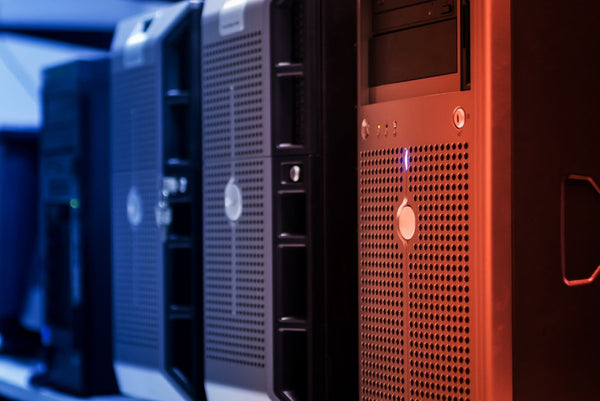
You might be thinking, "Sarah, why should I care about some political drama in Virginia?" Fair question. Here's the thing — data centers aren't just boring server farms. They're the backbone of cloud gaming, game streaming, and even basic online multiplayer.
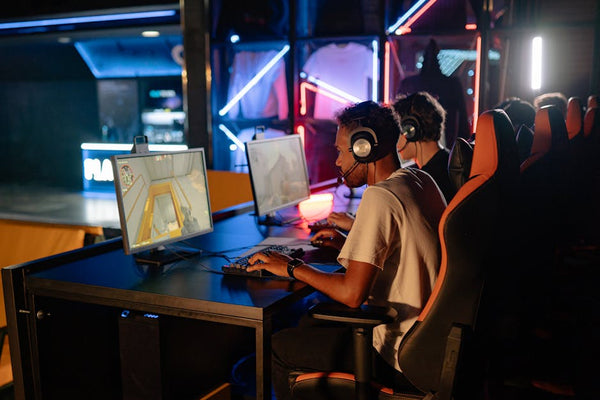
When I was helping a customer at TieredUp Tech in Orange, TX last month, he was dead set on ditching his gaming PC for Xbox Cloud Gaming. "Why spend $2,000 on hardware when I can stream everything?" he asked. I showed him the latency tests. The stutters. The compression artifacts when the connection hiccups.
That customer ended up with a solid BitCrate Custom Gaming PC instead. Smart move, honestly.
The Real Cost of Streaming Dependencies
Look, I'm not anti-cloud gaming. GeForce Now can be pretty decent when everything's working perfectly. But "perfectly" is doing a lot of heavy lifting there. When data centers get delayed, cancelled, or face community pushback, it directly impacts the infrastructure we rely on for streaming.
Virginia's voter revolt isn't happening in a vacuum either. Similar projects across the country are facing resistance due to power grid concerns, water usage, and noise complaints. What happens when your favorite cloud gaming service can't expand capacity fast enough to handle demand?
You get what happened to Stadia. RIP.
Building Your Gaming Setup: Local vs Cloud in 2024
Personally, I think the Virginia situation perfectly illustrates why putting all your gaming eggs in the cloud basket is risky. Don't get me wrong — streaming has its place. But as your primary gaming solution? That's a hard no from me.
The Case for Local Gaming Power
When you own your hardware, you control your experience. No data center drama. No ISP throttling ruining your boss fight. No "service temporarily unavailable" messages during your only free evening this week.
I've watched too many customers get burned by streaming promises. Remember when everyone thought Google Stadia would kill gaming PCs? How'd that work out?
Here's what actually matters for gaming in 2024:
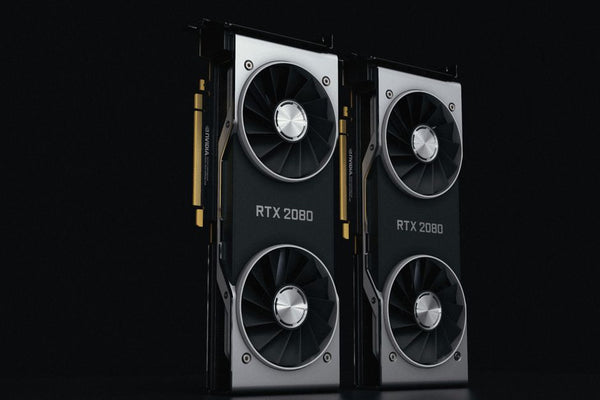
- Your GPU doesn't need internet permission to run Cyberpunk 2077
- Local storage means instant game launches
- You're not competing with thousands of other users for server resources
The Sweet Spot: Hybrid Approach
But I'm not completely anti-streaming. The smart play? Use cloud gaming as a supplement, not a replacement. Got a lightweight laptop for travel? Stream some indie games. Want to try before you buy? Perfect use case.
Just don't make it your main gaming platform. Not when infrastructure development is this unstable.
What Gaming Technology Actually Needs Right Now
Hot take: the gaming industry's obsession with streaming everything is solving the wrong problem. You know what gamers actually want? Shorter loading times. Better frame rates. Less stuttering.
Those problems get solved with better local hardware, not more distant servers.
The Reality Check Numbers
Let's talk real numbers for a second. A decent gaming PC that'll handle 1440p gaming costs around $1,200-$1,500. That's roughly what you'd spend on two years of multiple streaming subscriptions plus the inevitable hardware upgrades when streaming can't keep up.
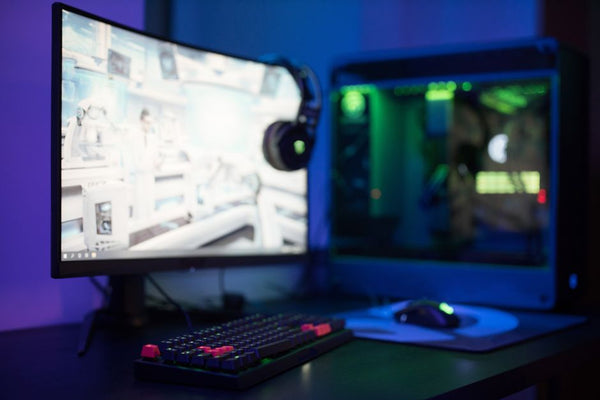
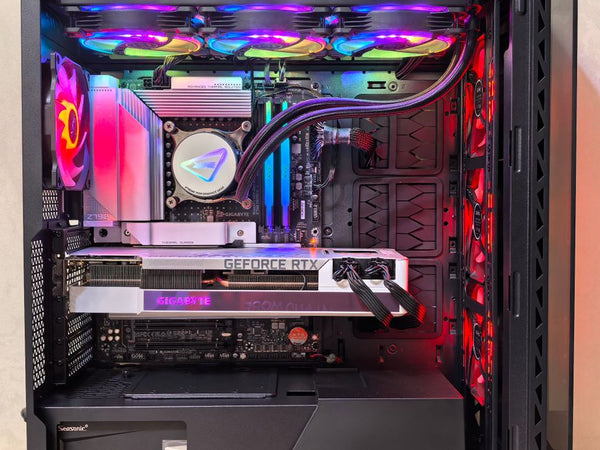
For serious gaming? The math isn't even close. Those Epic-Tier BitCrate builds ($2k+) might seem expensive upfront, but they'll outlast three generations of streaming service promises.
I've seen too many customers come back after trying to go streaming-only. "The input lag is killing me in Valorant," they'll say. Or "Why does Baldur's Gate 3 look like a YouTube video?"
The Infrastructure Reality
Virginia's data center backlash isn't unique. Communities everywhere are pushing back against these massive power-hungry facilities. Meanwhile, your local gaming PC uses less electricity than your refrigerator and doesn't require community approval.
Which setup sounds more reliable to you?
Making Smart Gaming Decisions in Uncertain Times
Look, I get it. The idea of never having to upgrade hardware again sounds appealing. But the Virginia situation shows how quickly infrastructure promises can evaporate. One day you're promised unlimited cloud gaming, the next day the whole project gets scrapped.
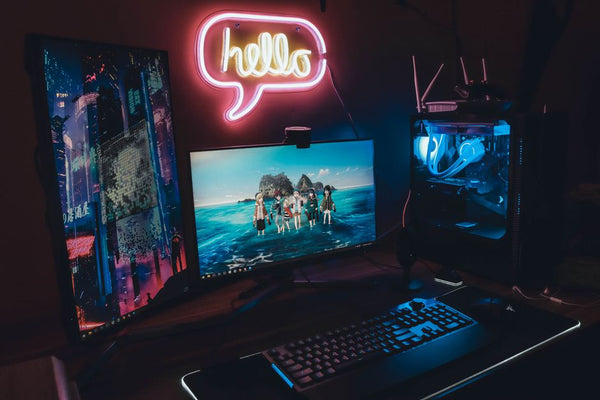
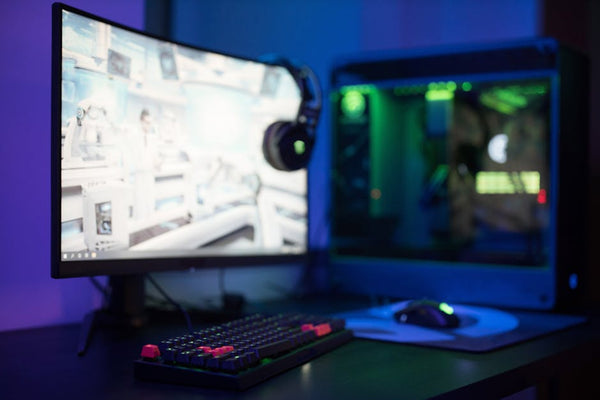
Here's my advice: build local, supplement with cloud. Get a solid gaming rig that can handle your favorite games without internet dependency. Use streaming for experiments and travel gaming.
This isn't about being old-school or resistant to change. It's about being practical. When data center projects worth billions can get cancelled overnight due to voter sentiment, maybe betting your entire gaming setup on remote infrastructure isn't the smartest move?
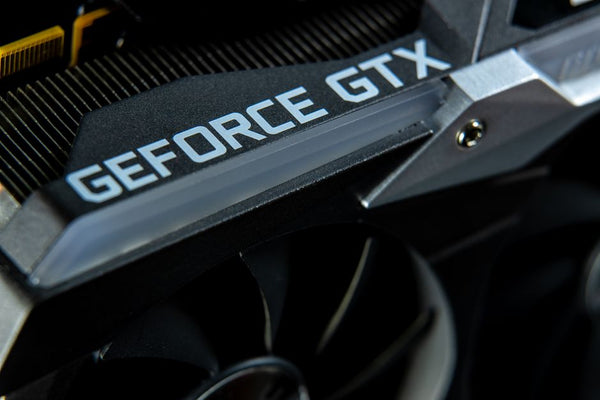
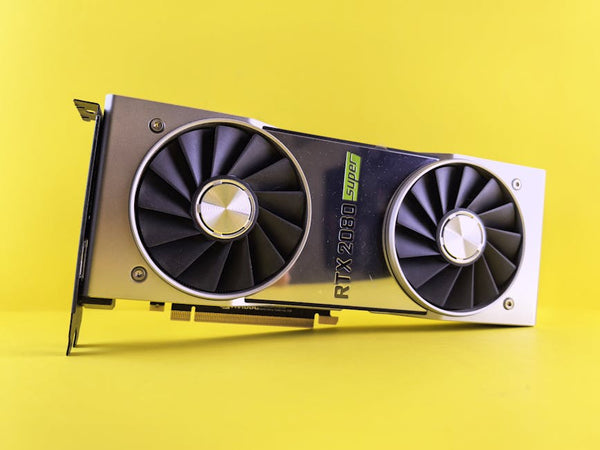
The gaming industry loves to hype the next big thing, but sometimes the current big thing works just fine. Your graphics card doesn't care about Virginia politics. Your SSD doesn't need community approval. Your gaming PC just works.
And honestly? In a world where data centers face this much uncertainty, that reliability is worth its weight in RGB lighting.








Leave a Comment