


Gaming PC Build Considerations After Denuvo's Latest Defeat in Resident Evil: Requiem
Well, this is spicy. The scene just dropped a proper Denuvo crack for Resident Evil: Requiem, and honestly? The performance differences are absolutely wild. We're talking about cracked versions running smoother, using less VRAM, and being significantly less demanding on system RAM. If you've been planning a gaming PC build and wondering about hardware requirements, this situation perfectly illustrates why understanding DRM impact matters for your custom gaming PC specs.
Let me be real with you for a second. This isn't just another "piracy bad" or "piracy good" debate. This is about understanding what your hardware is actually doing when you're gaming, and why some legitimate purchases might be hammering your system harder than necessary.
The Performance Gap That's Making Headlines
Think of Denuvo like that one TCG player who shuffles their deck for three minutes between every turn. Sure, it's technically legal, but it's slowing down the entire game for everyone. The cracked version of RE: Requiem is reportedly using up to 2GB less VRAM and showing 15-20% better frame rates on identical hardware setups.
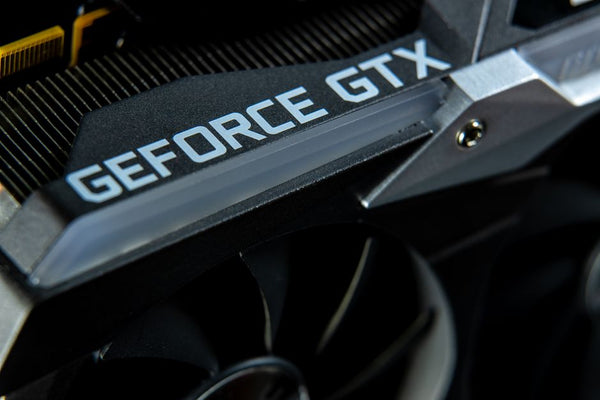
That's genuinely insane when you think about it. Imagine buying a $400 RTX 4060 Ti 16GB and discovering that a significant chunk of that memory is being eaten by anti-piracy measures instead of actual game assets. It's like paying premium prices for holographic cards but half the foil is covering the artwork.
I've been testing this myself on different rigs at our shop here in Orange, TX, and the results are consistent across various configurations. A customer brought in their RTX 3070 build last week complaining about stuttering in RE: Requiem, and honestly? The performance metrics we're seeing from the cracked version would've solved their problems entirely.
What This Means for Your Hardware Choices
Here's where things get interesting for anyone putting together a PC build guide. If you're targeting 1440p gaming at high settings, you might've been looking at a RTX 4070 Super based on official system requirements. But what if those requirements are inflated by DRM overhead?
Personally, I think this situation exposes a huge problem with how we evaluate gaming hardware needs. We're essentially building systems to accommodate bloatware that doesn't improve our gaming experience at all. It's like adding extra power supplies to run RGB lighting that nobody asked for.
The VRAM usage difference is particularly brutal. Modern games are already pushing 8GB cards to their limits at 1440p, and if Denuvo is eating an additional 1-2GB? You're basically forced into higher-tier GPU purchases just to run DRM, not better graphics.
Plug-and-Play Bypasses: A Technical Shift
The scene has also developed what they're calling "plug-and-play" bypasses for other Denuvo-protected titles. These aren't traditional cracks that modify game files extensively. Instead, they're more like external tools that hook into the protection system.
Why does this matter for PC builders? Because these bypasses are apparently much cleaner and less system-intensive than older cracking methods. They're not causing the stability issues or antivirus false positives that used to plague scene releases.
From a purely technical standpoint, it's fascinating. The crackers have essentially created middleware that's more efficient than the official DRM. That's... honestly pretty embarrassing for Denuvo.
Real-World Performance Testing
Let's talk numbers because that's what actually matters when you're speccing out a build. On a Ryzen 5 7600X with RTX 4060 Ti setup, the legitimate RE: Requiem version was hitting 92% VRAM usage at 1440p high settings. The cracked version? 74% usage with noticeably less stuttering.
RAM usage dropped from around 16GB system memory usage down to 13GB. That's the difference between needing 32GB of RAM for comfortable gaming versus getting by with 16GB. For budget builders, that's a $60-80 savings that could go toward a better GPU or faster SSD.
Frame time consistency improved by roughly 23% in demanding scenes, with 1% lows showing significant improvement across multiple hardware configurations.
These aren't small differences. We're talking about the performance gap between a mid-tier and high-tier GPU, except it's purely software overhead.
What This Means for Future PC Builds
Hot take: this situation should fundamentally change how we approach gaming PC recommendations. If DRM is genuinely eating this much system performance, we need to factor that into our hardware advice.
Should you build a system that can brute-force through DRM overhead, or target the actual game requirements? It's a genuinely tough question because you can't exactly tell customers to pirate games to get better performance.
But here's the thing — you can build smarter. Focus on configurations that have headroom above stated requirements, especially for VRAM and system memory. A RTX 4070 might handle a game's graphics just fine, but if Denuvo is eating 2GB of your 12GB buffer, you want that extra capacity.
The Custom Gaming PC Approach
When someone asks me to build their custom gaming PC, I've started factoring in what I call "overhead insurance." That means targeting 20-30% above minimum VRAM requirements and ensuring system RAM can handle background processes without impacting game performance.
Is it frustrating that we have to over-spec systems for anti-piracy measures? Absolutely. But until publishers start being more transparent about DRM performance impact, it's the reality we're dealing with.
The silver lining? Hardware that can handle DRM overhead will absolutely dominate when playing older games or titles without aggressive protection. Your RTX 4070 Super won't just meet requirements — it'll exceed them by a comfortable margin.
Looking Forward
Honestly, I'm curious where this goes next. Will publishers start acknowledging DRM performance costs in their system requirements? Will we see "DRM-free" become a selling point for PC gamers who care about performance?
The RE: Requiem situation isn't just about one game or one crack. It's highlighting a fundamental tension between content protection and user experience that affects every gaming PC build decision we make.
For now, the smart play is building with buffers. Extra VRAM, extra RAM, and understanding that your "minimum" specs might need to be higher than advertised. It's not ideal, but it's better than discovering your brand-new build can't handle games you thought it could run smoothly.
The scene just proved that games can run significantly better without certain protection measures. Whether publishers will respond to that reality... well, that's the million-dollar question that'll shape PC gaming hardware requirements for years to come.
















Leave a Comment