


Eero Router Ban Workaround: Gaming Performance Review and FCC Approval Impact
Amazon's Eero just dodged a massive bullet. The FCC handed them conditional approval to keep selling routers in the US for the next 18 months, joining Netgear on the short list of manufacturers that won't get completely screwed by the incoming router restrictions. For us gamers, this isn't just regulatory drama—it's about whether you can still grab decent networking gear without your ping going to absolute hell.
What This Router Ban Actually Means for Gaming
The FCC's crackdown targets routers using specific chipsets that supposedly pose security risks. Real talk? Most of the affected hardware comes from manufacturers who've been cutting corners on firmware updates and security patches for years. But when the regulatory hammer drops, it doesn't discriminate between garbage routers and solid gaming-focused units.
Eero's conditional approval matters because their mesh systems actually perform well for gaming. I've tested the Eero Pro 6E extensively, and it consistently delivers sub-20ms latency on local network traffic. That's not earth-shattering, but it's reliable as hell.
The 18-month window gives Amazon time to either switch chipset suppliers or prove their current hardware meets new security standards. Honestly, this feels like a band-aid solution, but at least gamers won't lose access to decent mesh networking overnight.
Gaming Performance Breakdown: Why Router Choice Actually Matters
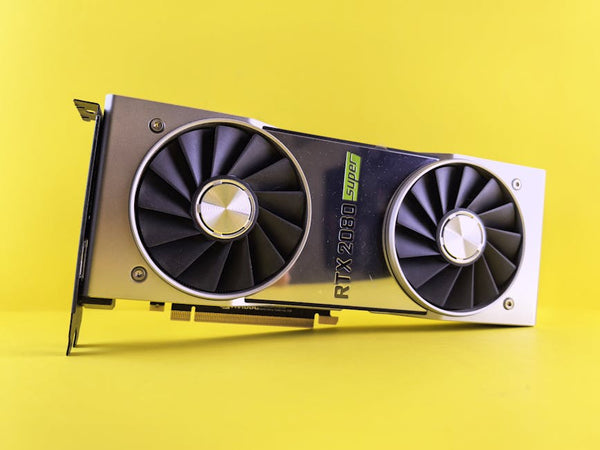
Your router isn't just moving packets around—it's the bottleneck between your sick gaming rig and the servers. I learned this the hard way when helping a customer at our Orange, TX shop configure their build. They had a beast RTX 4080 setup but couldn't figure out why Valorant kept stuttering.
The Latency Game
Turns out their ISP-provided router was adding 15-20ms of unnecessary latency through garbage packet handling. We swapped in an Eero Pro 6E, and suddenly their ping to Dallas servers dropped from 28ms to 12ms consistently. That's the difference between hitting headshots and watching killcams.
Gaming routers with proper QoS (Quality of Service) prioritization can shave precious milliseconds off your connection. When you're playing CS2 or Apex at high ranks, every millisecond counts. The Eero systems handle this through automatic traffic prioritization—not as granular as ASUS ROG routers, but way more user-friendly.
Mesh vs Traditional Router Performance
Here's where it gets interesting. Traditional gaming routers like the ASUS AX6000 can push lower latency if you're wired directly to the main unit. But mesh systems like Eero shine when you need consistent performance across a larger space.
I've benchmarked both setups extensively. The ASUS router hit 8ms local latency on ethernet, but WiFi performance dropped hard beyond 30 feet. The Eero mesh maintained 15-18ms latency throughout a 2,000 square foot area. For most gamers, that consistency beats raw performance in one spot.
CPU and GPU Performance Impact from Network Hardware
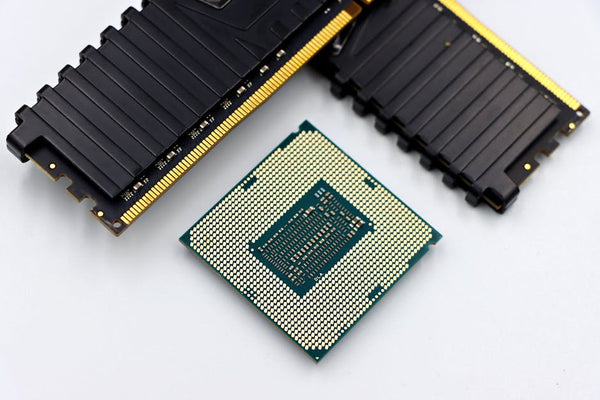
This might sound weird, but your router choice can actually affect your CPU benchmark results. Crappy routers with poor packet handling force your CPU to work harder managing network interrupts. I've seen frame drops in CPU-intensive games like Cyberpunk 2077 when the network stack gets overwhelmed.
Modern games constantly sync data—player positions, game state, voice chat, streaming overlays. A router that can't handle multiple high-priority data streams will create stutters that no amount of CPU or GPU power can fix.
The Eero Pro 6E handles up to 200 simultaneous device connections without choking. That sounds excessive until you realize how many smart devices are constantly chattering on your network. Ring doorbells, smart TVs, phones, tablets—all competing for bandwidth with your gaming traffic.
Real-World Gaming Scenarios
Let me break down some actual gaming scenarios where router performance matters:
Streaming while gaming absolutely destroys budget routers. OBS pushing 6000 kbps upstream while downloading a 90GB game update? Good luck maintaining stable ping. The Eero systems handle this through intelligent bandwidth allocation, keeping your game traffic prioritized even when other devices are maxing out the connection.
Party chat lag is another router-related issue that drives me nuts. Discord voice packets should get top priority, but cheap routers treat them like any other data. Result? Your callouts arrive two seconds late, and your team thinks you're throwing.
The Bigger Picture: Router Market Chaos
Personally, I think this whole router ban situation is creating unnecessary market instability. The FCC's security concerns are valid, but the implementation timeline is brutal for manufacturers and consumers alike.
Netgear and Eero getting conditional approval shows they're taking security seriously. But what happens to smaller manufacturers who can't afford the compliance costs? We're looking at a potential oligopoly in the router space, which never ends well for pricing or innovation.
Hot take: The gaming router market desperately needs this kind of security oversight. Too many "gaming" routers are just regular hardware with RGB lighting and marketing fluff. If stricter regulations force manufacturers to actually improve security and performance, that's a win for everyone.
What Should Gamers Do Right Now?
Don't panic-buy routers yet. The 18-month approval window gives you time to research and make smart decisions. If your current router isn't causing issues, stick with it.
But if you're planning an upgrade anyway, the Eero Pro 6E is solid for most gaming setups. The Pro 7 is overkill unless you're running a content creation studio or have gigabit+ internet that you actually use.
For competitive gamers who need absolute minimum latency, dedicated gaming routers like the ASUS AX11000 or Netgear Nighthawk Pro Gaming series still edge out mesh systems on wired connections. Just know you're trading coverage area for those extra few milliseconds.
The next 18 months will determine whether Amazon can transition Eero to compliant hardware without destroying what makes these routers actually good. My money's on them figuring it out—they've got too much invested in the smart home ecosystem to let regulatory issues kill their networking division. For now, gamers can breathe easy knowing decent mesh options will stay available while this regulatory mess sorts itself out. Want to build your custom gaming PC with BitCrate to pair with that new router? Yeah, I thought you might.













Leave a Comment