


Doom on a 40-Year-Old Printer? This Tech News Story Shows Why Old Hardware Still Rules
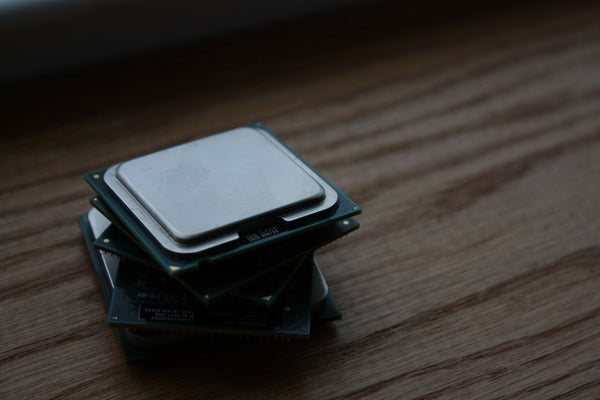
You know what I love about the gaming community? Someone always finds a way to make the impossible happen. This week's tech news gem has me absolutely geeking out — a YouTuber just got Doom running on a freaking printer controller from 1984. Not the printer itself, mind you, but the ancient Agfa Compugraphic 9000PS controller that came with a Motorola 68020 processor.
Now hold up. Before you roll your eyes and think "great, another Doom port," hear me out. This isn't just some random flex for internet points. This story perfectly captures why understanding older hardware matters, even when you're shopping for modern gaming rigs.
The Motorola 68020: A Gaming Technology Sleeper Hit
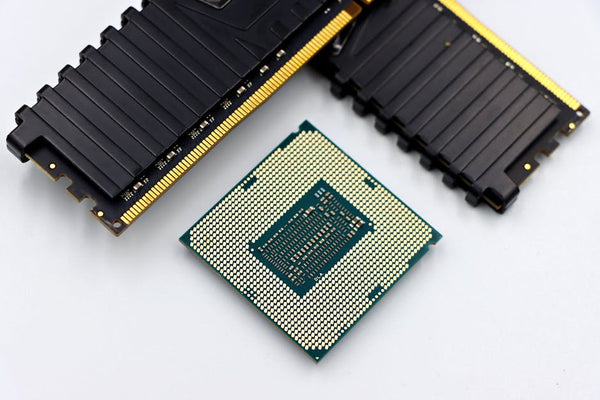
Let me paint you a picture. The Motorola 68020, released in 1984, was running at a whopping 16-33MHz. Compare that to today's CPUs hitting 5GHz+ and you'd think it's laughable, right? But here's the thing — that little chip was powering some serious workstations back in the day.
The Agfa Compugraphic 9000PS wasn't just any printer controller. This beast was handling complex PostScript rendering when most people were still using dot-matrix printers that sounded like angry robots. The 68020 inside had enough computational power to process vector graphics, manage memory efficiently, and apparently run a demon-slaying marine through Mars.
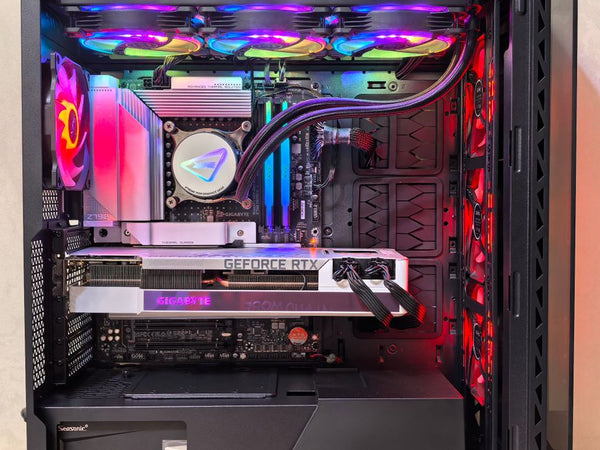
Personally, I think this highlights something we've lost in modern PC building. Back then, every component had to earn its place through pure efficiency. No RGB lighting to distract from performance. No marketing buzzwords. Just silicon doing work.
Why This Matters for Modern Builds
Working at TieredUp Tech here in Orange, TX, I've helped countless customers who get caught up in spec sheets without understanding what those numbers actually mean. They'll obsess over having 64GB of RAM when their use case barely touches 16GB. But show them a 40-year-old processor running Doom? Suddenly they get it.
The 68020 teaches us something crucial about gaming technology: optimization beats raw power every single time. This processor succeeded because its architecture was clean, its instruction set was efficient, and developers knew how to squeeze every cycle out of it.
The Art of Making Old Tech Work
So how exactly do you get a 1993 shooter running on hardware that predates it by almost a decade? The answer lies in understanding what Doom actually needs to function.
Doom's system requirements were famously modest. 4MB of RAM, a 386 processor, and VGA graphics. But strip away all the assumptions about "normal" PC hardware, and you realize the game's engine is surprisingly portable. The YouTuber likely had to write custom drivers, create makeshift graphics output, and probably sacrifice some features. But the core game loop? That 68020 can handle it.
This reminds me of a customer who came in last month wanting to upgrade his ancient gaming laptop. Instead of buying new, we identified that his bottleneck wasn't the CPU — it was thermal throttling from a clogged cooling system and a dying hard drive. Sometimes the solution isn't more power; it's using what you have more effectively.
What Modern Gamers Can Learn
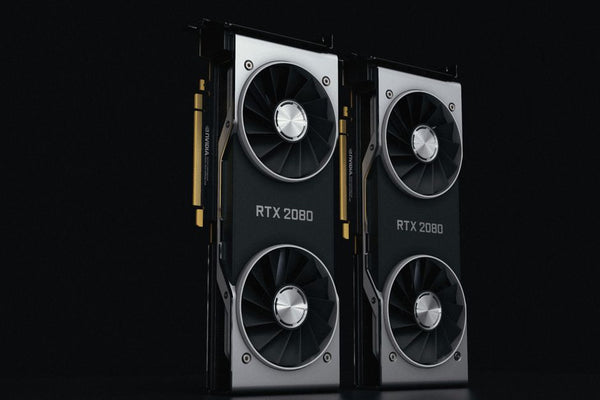
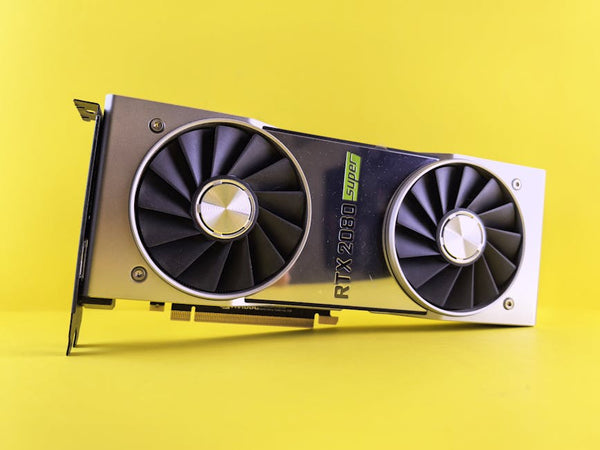
Here's my hot take: today's gaming hardware is often overkill for what most people actually play. That RTX 4090 might get you bragging rights, but are you really pushing it beyond what a much cheaper RTX 4070 could handle?
The printer controller experiment proves that creative optimization can make seemingly impossible things work. When you're building your custom gaming PC, don't just chase the highest numbers. Think about what you actually need.
Questions worth asking: Are you gaming at 4K or 1080p? Do you need ray tracing, or would you rather hit consistent framerates? Will that extra $300 on a CPU actually improve your experience, or could it go toward a better monitor instead?
The Retro Hardware Renaissance
This Doom-on-a-printer story isn't happening in a vacuum. We're seeing a massive resurgence in retro computing, and it's not just nostalgia driving it.
Older hardware teaches you fundamentals that modern systems obscure. When every byte of memory matters, you learn to write tighter code. When processing power is limited, you innovate instead of brute-forcing solutions. When graphics capabilities are constrained, you focus on art direction over raw polygon counts.
"The best constraints are self-imposed" - someone smarter than me, probably
I've noticed something interesting with customers who started gaming on older systems. They tend to make smarter purchasing decisions. They're not easily swayed by marketing hype because they understand what actually impacts performance.
Budget Builds Done Right
Want to know a secret? Some of the most satisfying gaming experiences I've had were on budget hardware that I had to optimize heavily. There's something pure about getting Cyberpunk 2077 running acceptably on a GTX 1060 through careful settings tweaks.
The 68020 running Doom proves that creativity trumps cash every time. You don't need the latest and greatest to have fun. You need to understand your hardware and work within its limits.
Honestly, watching this printer controller chug through Doom at probably 15fps brings me more joy than seeing someone's $5000 rig hit 300fps in Valorant. One represents genuine technical achievement; the other just represents a big credit card limit.
Looking Forward While Appreciating the Past
This whole printer controller saga got me thinking about where gaming technology is headed. We're entering an era where raw performance gains are slowing down, but efficiency improvements are accelerating. Modern ARM processors are proof — they're not the fastest chips ever made, but they're incredibly efficient.
Maybe we're circling back to the 68020 philosophy without realizing it. Apple's M-series chips, AMD's focus on performance-per-watt, even Valve's Steam Deck — they're all about doing more with less. Getting maximum performance from every transistor, every watt, every dollar.
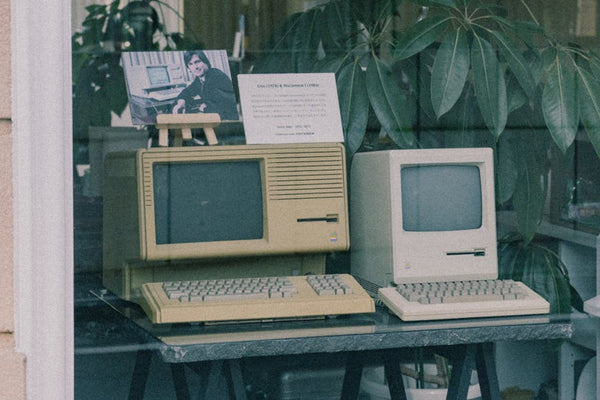
The printer story also highlights why preservation matters. That 40-year-old hardware still works because someone maintained it, documented it, and kept it running. How much of today's gaming tech will still be functional in 2064?
Will our RGB-laden gaming rigs boot up in four decades? Probably not. But that boring-looking 68020? Still chugging along, still running demons into walls, still proving that good engineering never goes out of style.
Next time you see someone dismiss older hardware as "obsolete," remember the printer that could. Sometimes the most unexpected combinations create the most memorable experiences. And isn't that what gaming is really about?












Leave a Comment