


CPU Requirements for AI Workloads: Why Your Gaming Rig Budget Just Got Complicated
Remember when CPUs were the afterthought in gaming builds? Yeah, me too. I used to tell customers at TieredUp Tech that they could get away with a mid-range processor and dump their entire budget into a monster GPU. Those days? They're officially dead.
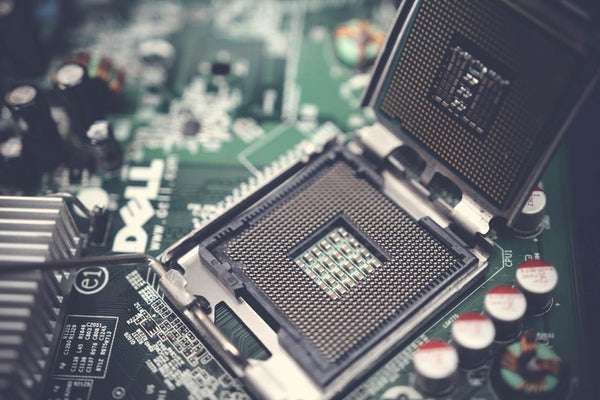
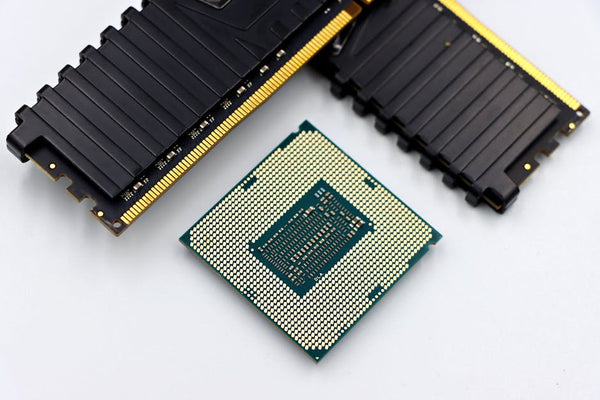
Intel's already shifting production from consumer chips to Xeon processors because AI workloads are absolutely demolishing traditional CPU-GPU ratios. And honestly, this is just the beginning of a mess that's about to hit every PC builder's wallet hard.
The AI Revolution Nobody Saw Coming (Except Everyone Should Have)
Here's what's happening. AI inference workloads aren't just running on GPUs anymore. They're demanding serious CPU horsepower, and I mean serious. We're talking about CPU-GPU ratios moving from the traditional 1:4 or 1:5 back toward 1:1 parity.
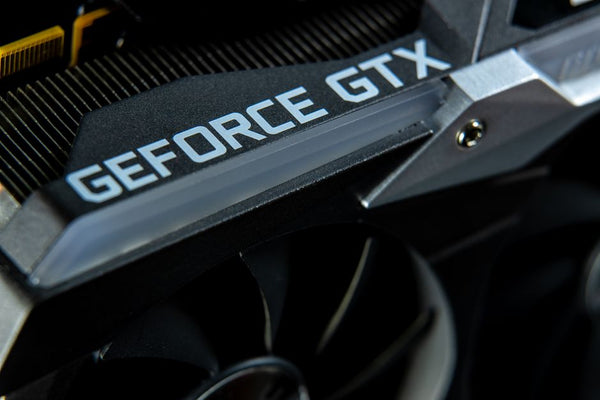
Think about that for a second. When was the last time you built a gaming rig where the CPU cost as much as the GPU? Probably never. But that's exactly where we're headed, and it's not just affecting enterprise builds — it's trickling down to consumer hardware faster than a bad Metacritic score.
I had a customer last week asking about a build for "some AI stuff and gaming." Dude wanted to run local LLMs alongside his Cyberpunk sessions. The CPU requirements alone pushed his budget from $1,200 to nearly $2,000. That's not a typo.
Intel's Production Shift: Reading the Tea Leaves
Intel didn't just wake up one morning and decide to prioritize Xeon production for fun. They're responding to demand that's completely reshaping the semiconductor landscape. When a company shifts manufacturing away from high-volume consumer processors, you know the enterprise money is really talking.
The numbers are wild. Server CPU sales have jumped 40% year-over-year, while consumer desktop processors are sitting in warehouses. Why? Because every tech company on the planet is building AI inference farms that need serious compute power.
What This Means for Your GPU and CPU Benchmark Expectations
Forget everything you thought you knew about balanced builds. Those CPU benchmark reviews from six months ago? Basically useless now. The performance targets have completely shifted.
Here's the reality check: if you're planning any kind of AI workload alongside gaming, you can't cheap out on the processor anymore. That Ryzen 5 or Core i5 that used to be the sweet spot? It's not gonna cut it when you're running inference models that eat CPU cores like Pac-Man.
The New Performance Hierarchy
I've been tracking builds and honestly, the hierarchy has flipped. Used to be:
- GPU: 50-60% of budget
- CPU: 15-20% of budget
- Everything else: remainder
Now? It's looking more like 40-40-20, and that's being conservative. Some AI-focused builds are hitting 35-45-20 in favor of the CPU. Insane.
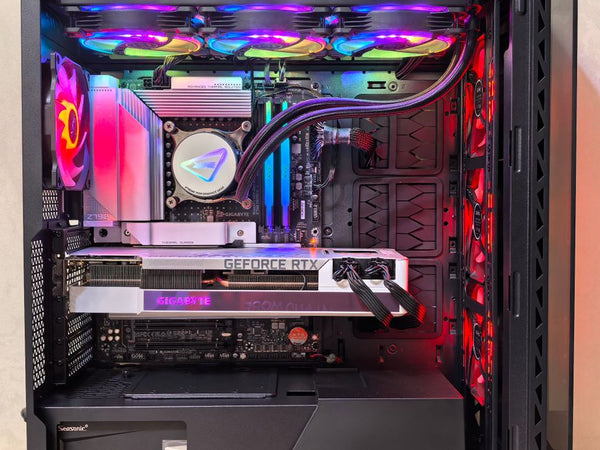
And don't even get me started on cooling requirements. These new high-core-count processors aren't just power hungry — they're absolutely volcanic under AI loads. Your trusty air cooler setup probably isn't gonna survive.
The Shortage Domino Effect: Why Prices Are Going Bonkers
Supply and demand, right? Except it's not that simple. Intel's production shift is creating artificial scarcity in the consumer market while enterprise customers are literally hoarding processors like they're concert tickets.
I've seen distributors in Orange, TX completely sold out of high-end consumer CPUs because data centers are buying anything with decent core counts. The 13700K that was $400 last year? It's pushing $500+ when you can actually find one in stock.
But here's where it gets really frustrating: this isn't temporary shortage pricing. This is the new normal. As long as AI inference demands keep growing, CPUs are going to command GPU-level prices.
The Hidden Cost Nobody's Talking About
Memory. RAM prices are quietly exploding too because AI workloads are memory bandwidth monsters. That 32GB kit that seemed excessive for gaming? Now it's barely adequate. I'm recommending 64GB for anyone serious about local AI, and those kits aren't cheap.
Motherboards need beefier VRMs to handle the power delivery. PSUs need higher wattage ratings. Even M.2 drives are seeing increased demand because AI model files are massive.
The entire ecosystem is getting more expensive, and it's happening fast enough to give you whiplash.
Shopping Smart in the New Reality: A GPU and CPU Buying Guide
So what's a builder supposed to do? Panic? Nah. But you definitely need to adjust your strategy.
First, future-proof differently. Instead of going all-in on the GPU and hoping to upgrade the CPU later, consider flipping that logic. A solid 8-core or 12-core processor today might save you from a painful upgrade cycle when AI features become standard in your favorite games.
Second, watch the generation gaps more carefully. Each new CPU architecture is bringing significant improvements in AI acceleration. Intel's upcoming Arrow Lake and AMD's next-gen Zen processors are specifically designed with AI workloads in mind. That's not marketing fluff — it's architectural reality.
Hot take: I think we're heading toward a world where gaming performance becomes a secondary consideration for CPU reviews. AI benchmark scores are going to matter more than frame rates in most use cases.
The Value Play Strategy
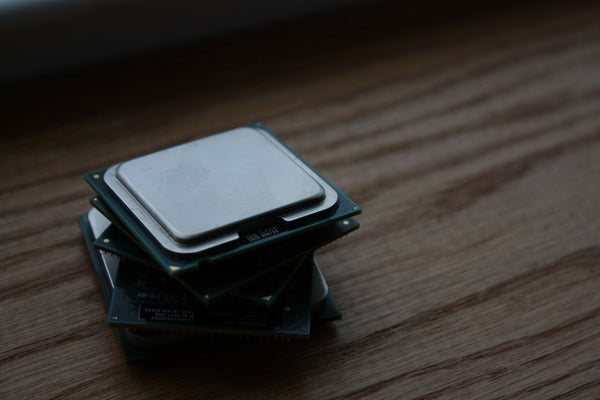
Personally, I think the smart money right now is on last-gen high-end processors. The 12900K and 5900X are still absolute beasts for both gaming and AI work, but they're getting overshadowed by newer silicon. That's creating opportunities if you know where to look.
You can also get creative with server hardware. Some Xeon processors offer incredible value for AI workloads if you're willing to deal with slightly different motherboard requirements. Just don't expect overclocking support.
When to Pull the Trigger
The worst advice I can give right now is "wait for prices to come down." They're not coming down. At least not anytime soon. If you need a build that handles both gaming and AI work, start shopping now and focus on the CPU first.
Look for bundle deals where you can find them. Some retailers are still offering competitive pricing when you buy CPU, motherboard, and RAM together. Shop GPUs at TieredUp Tech and similar setups while the deals still exist.
But honestly? I'm not entirely sure how this shakes out long-term. Maybe Intel and AMD ramp production enough to meet demand. Maybe AI workloads plateau. Or maybe we're looking at a permanently restructured market where high-end CPUs cost as much as graphics cards.
What I do know is that ignoring this trend will leave you with a build that's obsolete before you finish the cable management. The era of GPU-centric gaming rigs is ending, and the sooner builders accept that reality, the better their systems will be.
The question isn't whether AI will reshape PC hardware priorities — it already has. The question is whether you're going to adapt your build strategy or get left behind with a perfectly balanced system for 2019.













Leave a Comment