


California's 3D Printer Restrictions Could Kill Your Next GPU Review Setup: A Buyer's Guide to What Actually Matters
Remember when I had that customer at our shop in Orange, TX who wanted to 3D print custom GPU brackets for his triple-monitor racing setup? Dude was so excited about printing these intricate cooling shrouds and custom cable management solutions. Well, if California's latest legislative bright idea goes through, that kind of innovation might become a relic of the past.
The 3D printing community is absolutely losing their minds over a proposed California law that would restrict 3D printer sales to only "state-approved models" — supposedly to prevent people from printing gun parts. But here's the thing nobody's talking about: this isn't just about firearms. This is about gutting the entire maker ecosystem that drives PC innovation.
Why GPU Review Culture Depends on Unrestricted 3D Printing
You know what makes those epic GPU benchmark videos possible? Custom test rigs. Specialized mounting solutions. One-off cooling modifications that reviewers use to push graphics cards beyond their factory limits.
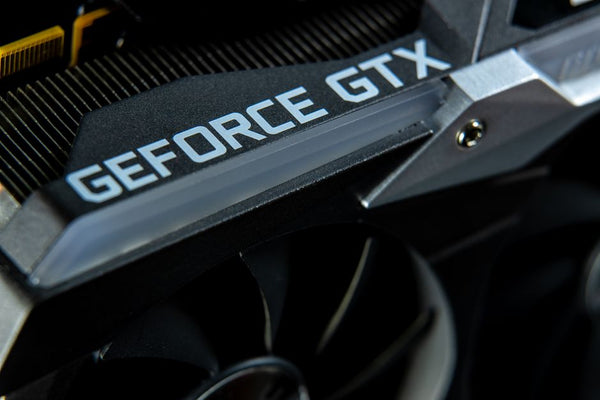
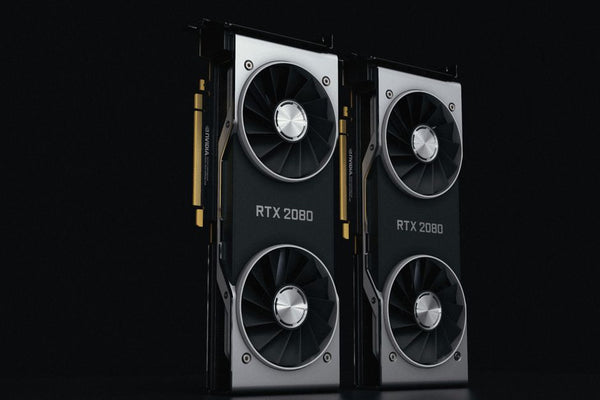
I've seen YouTubers print custom shrouds to test different airflow patterns on RTX 4090s. They're creating bespoke mounting brackets to fit massive cards into tiny ITX cases. Think LTT's crazy custom loops would exist without the ability to rapidly prototype weird fittings and brackets?
Hot take: restricting 3D printer capabilities to "state-approved" models is basically California saying they want to control what kinds of PC modifications you can make. That's not hyperbole — that's exactly what this law would do.
The Real Impact on CPU Benchmark Testing
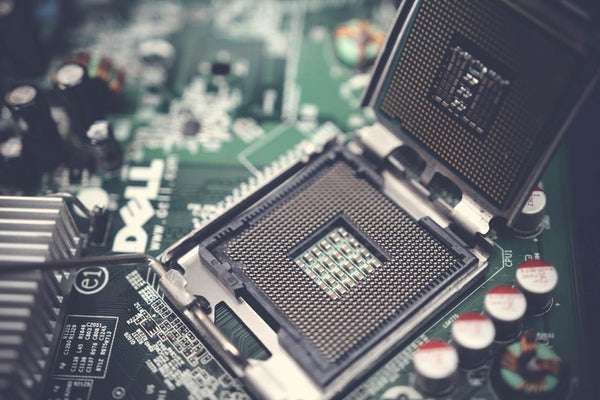
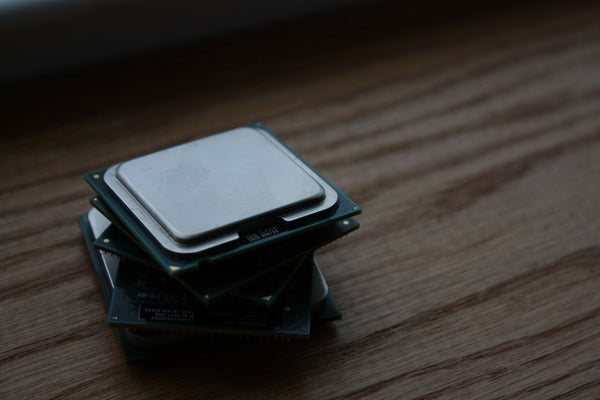
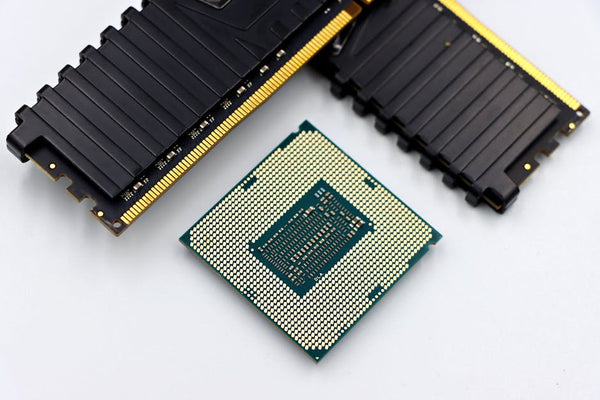
Remember when der8auer was doing those insane delid tests on Intel processors? Half his cooling solutions were custom 3D printed parts designed specifically for extreme overclocking scenarios. Direct-die cooling blocks. Custom IHS replacements. Weird mounting solutions that nobody sells commercially.
Under California's proposed restrictions, would those innovations even be possible? The "safety algorithms" they're proposing would essentially scan every file before printing and reject anything that doesn't match pre-approved patterns.
Honestly, I can already see the false positives. Custom CPU socket adapters getting flagged because they have geometric patterns similar to restricted items. Unique GPU mounting brackets rejected because the algorithm can't understand their purpose.
What "State-Approved Models" Actually Means for Gaming Performance
Let's get real about what this legislation would actually restrict. We're not just talking about hobbyists losing access to open-source printers. This could fundamentally change how gaming hardware evolves.
Every major breakthrough in PC cooling has involved someone somewhere printing a prototype first. Those AIO bracket modifications that let you mount a 280mm radiator in a case designed for 240mm? Started as 3D printed proof-of-concepts. The custom fan shrouds that improve GPU thermals by 5-8 degrees? Same story.
Personally, I think California legislators have zero understanding of how modern hardware development actually works. They see "3D printer" and immediately think of worst-case scenarios without considering that these same machines are crucial for technological advancement.
The Makerspace Problem Nobody's Discussing
Here's what really gets me fired up: the proposed safety algorithms would basically kill educational makerspaces. Schools use 3D printers to teach engineering concepts. Students design custom PC cases, prototype cooling solutions, create mounting brackets for their projects.
You want to know how I learned about airflow dynamics? By printing different fan duct designs in high school and testing them on actual hardware. That hands-on experimentation is how the next generation of hardware engineers develops intuition about thermal management and mechanical design.
But under this law? Schools would only be able to print pre-approved educational models. No custom projects. No innovation. Just sanctioned mediocrity.
Gaming Performance Testing Under Algorithmic Restrictions
Think about how GPU reviews actually work. Reviewers need custom solutions for specific testing scenarios. Maybe they're comparing cooling performance between different shroud designs. Maybe they're testing how GPU sag affects performance over time and need custom support brackets with built-in stress sensors.
Those innovations don't come from corporate R&D labs. They come from passionate reviewers with access to unrestricted fabrication tools.
I've watched Steve from GamersNexus explain his custom thermal testing rigs. Half the mounting solutions are 3D printed because they need precise geometries that don't exist commercially. Would his legendary thoroughness be possible if every test fixture had to be approved by some California safety board?
"Safety algorithms" sound reasonable until you realize they're essentially creativity killers that would prevent the kind of rapid iteration that drives hardware innovation forward.
The Real-World CPU Benchmark Impact
CPU testing requires even more specialized solutions than GPU reviews. Extreme overclockers print custom socket protectors, one-off mounting brackets for exotic cooling solutions, specialized tools for precise memory module spacing adjustments.
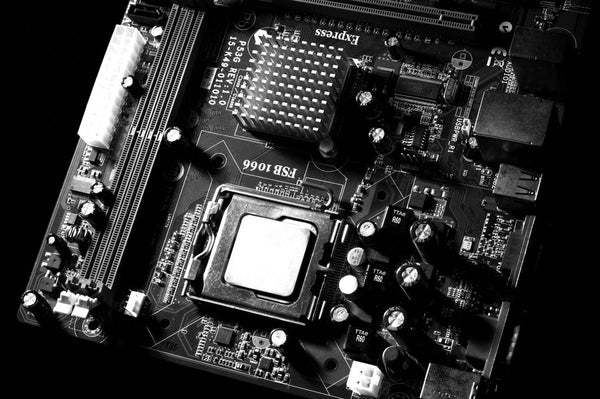
When ASUS or MSI engineers are developing new motherboard layouts, they prototype with 3D printed components first. They test fitment issues, airflow patterns, cable management solutions. This iterative process depends on being able to quickly print and test modifications.
California's proposed restrictions would essentially force all this innovation to happen elsewhere. Which might be exactly what other states want, tbh.
What This Means for Your Next Build
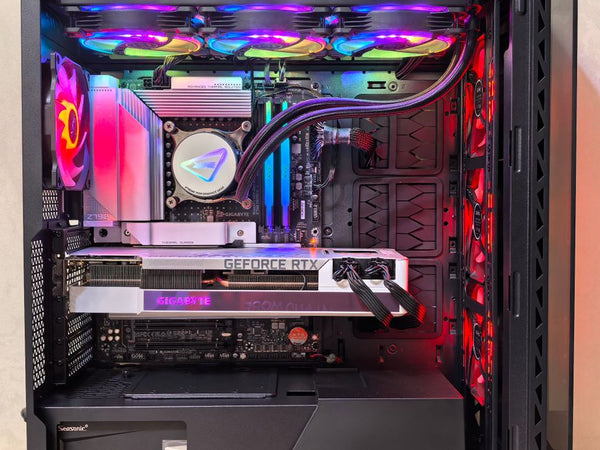
If you're planning a custom build and live in California, you might want to consider how these restrictions could affect your options. Build your custom gaming PC with BitCrate while you still can access the full ecosystem of modification possibilities.
The reality is that PC building culture thrives on modification and customization. Take that away, and you're left with whatever corporations decide to mass-produce. No more custom solutions for weird fitment issues. No more community-driven innovations that eventually become industry standards.
What happens when the next breakthrough cooling design emerges from someone's garage printer, but California residents can't prototype similar solutions? We end up with a two-tier innovation economy where certain states become hardware development dead zones.
The Innovation Exodus
Here's something I've been thinking about: if California really pushes this through, how many hardware companies will just relocate their R&D operations? Why deal with approval processes and safety algorithms when you can move to Texas or Florida and maintain full creative control?
We're already seeing tech companies leaving California over various regulatory issues. This could accelerate that trend, especially for hardware-focused businesses that depend on rapid prototyping capabilities.
Ngl, part of me wonders if this is intentional. Maybe California lawmakers want to discourage certain types of manufacturing and innovation. But if that's the goal, they should be honest about it instead of hiding behind safety rhetoric.
The 3D printing community isn't just organizing against this law because they want to print questionable items. They're fighting for the right to innovate, to prototype, to push hardware boundaries in ways that benefit everyone. Whether California understands that distinction might determine the future of tech innovation on the West Coast.
Your next GPU review might depend on innovations that can only happen when creators have unrestricted access to fabrication tools. Something to consider while this legislative mess plays out.













Leave a Comment