


Pokemon TCG Investing: Which Cards Hold Their Value Like a 4090 Holds FPS?
Look, I've been building PCs and cracking packs for years, and tbh, Pokemon TCG investing isn't that different from timing the GPU market. Both require patience, research, and knowing when to hodl versus when to cash out. The difference? Your Charizard won't become obsolete when Nintendo drops the next console generation.
But which cards actually hold value? That's the million-dollar question every collector asks while staring at their binder like it's a portfolio dashboard.
Base Set Cards: The RTX 3080 of Pokemon TCG
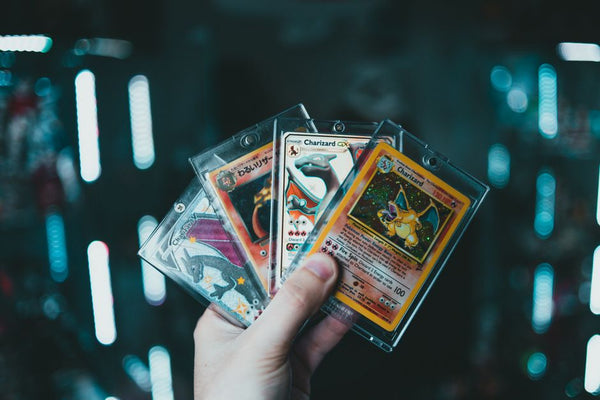
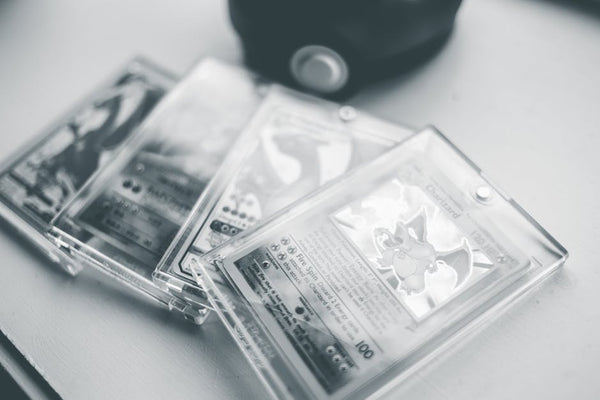
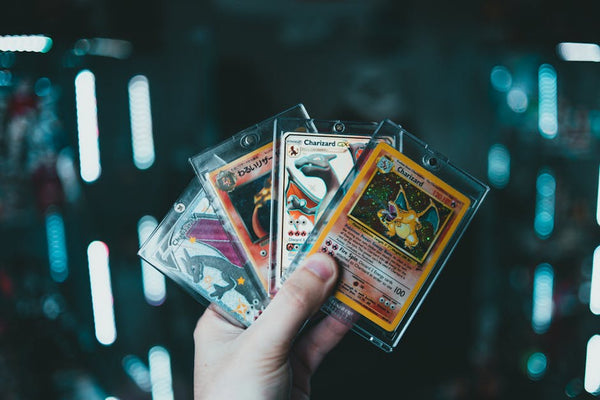
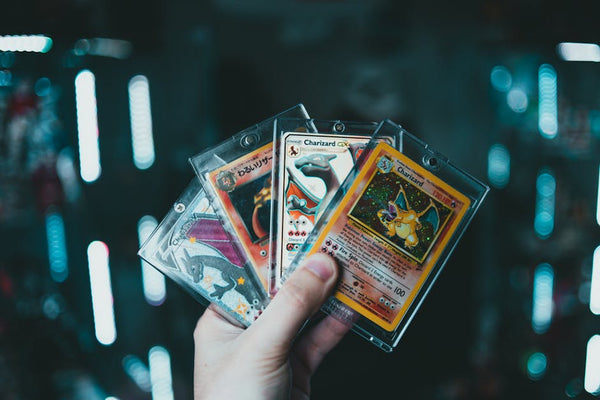
First edition Base Set cards are basically the holy grail. Think of them as the original RTX 3080 — everyone wanted one at launch, most couldn't get them, and now they're worth stupid money. A PSA 10 first edition Charizard sold for $350,000 in 2022. That's more than my entire PC setup, car, and probably my house combined.
But here's the thing about Base Set investing: condition is everything. A damaged Charizard is like a mining-fried GPU — technically functional but worth pennies on the dollar. PSA 9 and 10 grades are where the real money sits, while anything below PSA 7 is basically bulk pricing.
Personally, I think shadowless Base Set cards are still undervalued compared to first edition. Yeah, they're not as rare, but they're accessible enough for newer collectors while maintaining that vintage appeal. It's like buying a 3070 instead of a 3080 — you still get premium performance without breaking the bank.
The Big Three Base Set Cards Worth Watching:
- Charizard (#4/102) — The undisputed king, PSA 10s regularly hit $25,000+
- Blastoise (#2/102) — Solid second choice, typically 20-30% of Charizard's value
- Venusaur (#15/102) — The forgotten starter, but still pulls $2,000+ in PSA 10
Japanese Cards: Import Market Vibes
Japanese Pokemon cards are like importing a JDM car — they're often higher quality, more limited, and command premium prices among enthusiasts. The card stock quality is generally superior, and many iconic cards released in Japan first.
Japanese Base Set cards, especially the No Rarity symbol versions, are absolutely bonkers expensive. A Japanese No Rarity Charizard in PSA 10 can hit $50,000. That's not a typo. It's like finding a factory-sealed Nvidia Titan from 2013 — technically superior and historically significant.
Trophy cards from Japanese tournaments are another beast entirely. These are essentially one-off promotional cards given to tournament winners. Think of them as signed championship jerseys — ultra-rare, historically significant, and worth more than most people's annual salary.
Modern Sets: The New RTX 4090 Problem
Here's where things get tricky. Modern Pokemon TCG sets are printed to oblivion, just like how Nvidia actually manufactured enough RTX 4090s to meet demand (eventually). Print runs are massive, distribution is global, and everyone's buying cases hoping to strike gold.
But some modern cards do hold value. Alt art cards from recent sets like Brilliant Stars and Lost Origin have staying power. Why? They're genuinely beautiful, competitively viable, and remind people why they fell in love with Pokemon in the first place.
Hot take: Most modern secret rares are going to crash harder than crypto in 2022. The market is oversaturated, and frankly, a lot of these cards look like generic anime artwork rather than iconic Pokemon moments.
Modern Cards That Might Actually Hold Value:
Charizard VMAX from Champion's Path — yeah, I know, another Charizard, but hear me out. This card captured lightning in a bottle during the pandemic boom. PSA 10s are sitting around $400-600, which isn't Base Set money, but it's solid for a modern card.
Moonbreon (Umbreon VMAX Alt Art from Evolving Skies) is legitimately gorgeous and commands $300+ in mint condition. It's got that perfect combination of popular Pokemon, stunning artwork, and reasonable scarcity.
Grading: The Overclocking of Card Collecting
Just like overclocking can make or break your PC's performance, grading can make or break your card's value. PSA 10 cards sell for 3-10x more than ungraded copies of the same card. But here's the catch — grading costs $20-100 per card depending on service level, and there's no guarantee of a 10.
I've seen collectors send in cards they were convinced were perfect 10s, only to get 8s back. It's heartbreaking, like thinking you won the silicon lottery only to discover your CPU can't even hit base boost clocks.
When I'm working with customers at TieredUp Tech in Orange, TX, I always tell them the same thing about both PC components and cards: buy the condition you can afford, not the condition you hope to achieve through grading.
The Speculation Trap: Don't Chase the Meta
Remember the Crypto Pokemon craze? Cards were selling for thousands based purely on internet memes and speculation. Most of those prices crashed faster than my first attempt at water cooling (don't ask).
The same thing happens in competitive Pokemon TCG. Cards spike based on tournament performance, everyone buys in expecting continued success, then the meta shifts and suddenly your $200 Arceus VSTAR is worth $20.
Honestly, this reminds me of people buying RTX 4080s at launch thinking they'd maintain MSRP forever. Market forces always win eventually.
Long-term Value: What Actually Matters
Want to know what really holds value? Nostalgia and genuine scarcity. Cards that represent meaningful moments in Pokemon history, feature beloved Pokemon, and exist in truly limited quantities.
Base Set works because it's the first. Neo Genesis works because it introduced generation 2. EX series cards work because they revolutionized the game's mechanics. These aren't just trading card game pieces — they're cultural artifacts.
Compare this to modern sets where every card has seventeen different variants. It's like having fifty different RTX 4090 SKUs with slightly different cooling solutions. Sure, they're all technically premium, but which one becomes the classic?
Market Timing: When to Buy and Sell
The Pokemon TCG market moves in cycles, just like PC components. Right now, we're in a weird spot where Base Set prices have stabilized at absurd levels, modern cards are slowly declining from their pandemic peaks, and Japanese vintage cards keep climbing.
My strategy? Buy cards you genuinely love when prices are reasonable, grade selectively, and never invest more than you can afford to lose. It's the same advice I'd give someone building their first gaming rig — start with what matters most to you, upgrade gradually, and don't chase every new release.
The best Pokemon TCG investments are the ones you'd be happy owning even if they never increased in value. That Base Set Charizard isn't just a financial asset — it's a piece of your childhood that happens to be worth more than a decent used car.
Remember: markets crash, trends fade, but that feeling you get when you see your favorite Pokemon card never goes away.
Whether you're hunting for vintage gems at Pokemon TCG at TieredUp Tech or browsing eBay at 2 AM looking for deals, the key is knowing what you're buying and why. Some cards are solid long-term holds. Others are purely speculative plays. Most fall somewhere in between.
The Pokemon TCG market isn't going anywhere — if anything, it's getting more sophisticated as institutional investors and serious collectors recognize these cards as legitimate alternative assets. But that doesn't mean every shiny Pikachu is going to fund your retirement. Choose wisely, buy smart, and maybe you'll end up with something worth more than your entire PC battlestation.










Leave a Comment