


Pokemon TCG Investing: Which Cards Actually Hold Their Value?
Look, Pokemon TCG investing isn't like buying the latest RTX 4090 and expecting it to appreciate over time. Graphics cards depreciate faster than a used car, but certain Pokemon cards? They're like finding a pristine first-gen Intel 4004 processor in mint condition.
I've been tracking card prices the same way I monitor GPU market fluctuations, and honestly, the parallels are wild. Just like how specific CPU architectures become legendary (looking at you, Sandy Bridge), certain Pokemon cards have achieved mythical status that defies logic.
The Blue-Chip Pokemon TCG Cards That Never Disappoint
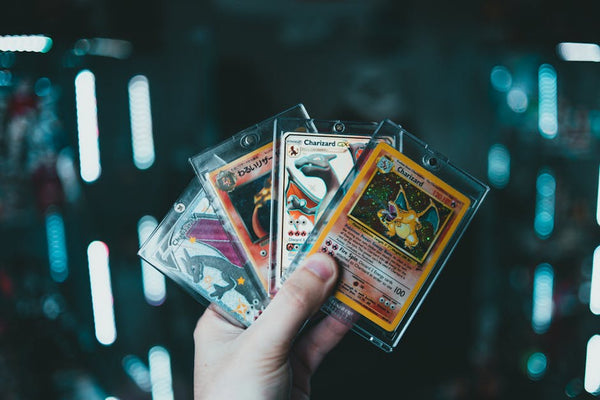
Base Set Charizard is basically the Bitcoin of trading cards. Everyone knows it. Everyone wants it. The price swings are absolutely insane.
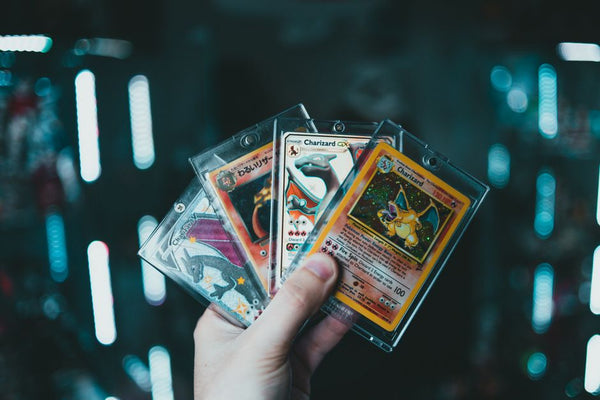
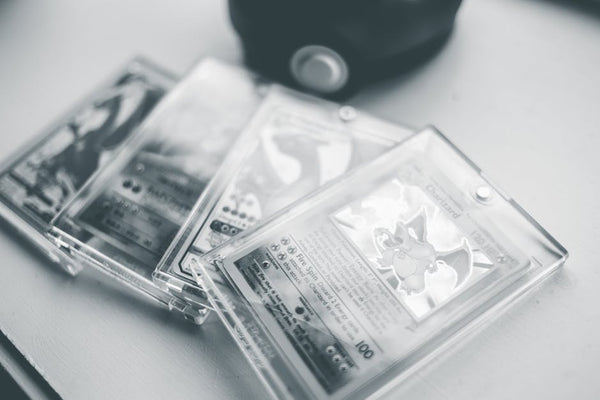
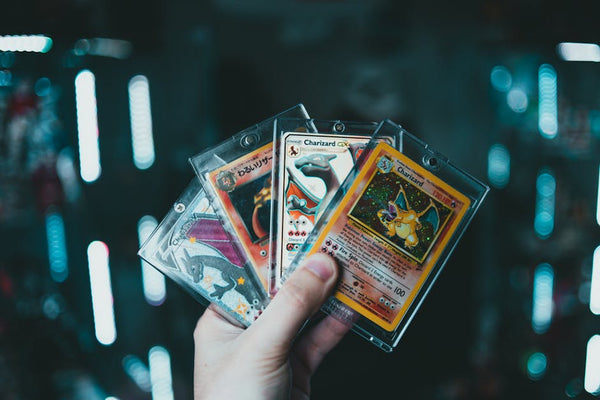
A PSA 10 Base Set Shadowless Charizard sold for $420,000 in 2022. Yeah, you read that right. That's enough to build like fifty high-end gaming rigs. But here's the thing – even lower-grade copies hold value better than most tech investments.
Personally, I think the Base Set trio (Charizard, Blastoise, Venusaur) will always be solid holds. They're the OG starters that hit pure nostalgia harder than hearing the Windows XP startup sound. A PSA 9 Charizard consistently trades between $15,000-$25,000 depending on market conditions.
First Edition Base Set: The Holy Grail Territory
First Edition Base Set cards are like finding an original IBM PC in working condition. Rare doesn't begin to describe it. The print run was tiny compared to later sets, and most kids back in '98 weren't exactly thinking about preservation.
Even "commons" from First Edition Base Set can fetch serious money in high grades. A PSA 10 Machamp (literally given away as a promo) sells for $3,000+. That's mid-tier gaming laptop money for a card that was practically free.
Japanese vs English: The Regional Pricing Game
Here's where it gets spicy. Japanese cards often hold value better than their English counterparts, especially for older sets. The Japanese market treated Pokemon TCG like a serious collectible from day one, while Americans were busy ripping packs like they were opening loot boxes.
Japanese Base Set No Rarity cards (the absolute first printing) make English First Edition look like budget builds. A perfect Charizard No Rarity can hit $50,000+ easily. The Japanese printing quality was also superior – think premium custom loop cooling versus stock Intel coolers.
But don't sleep on English cards entirely. The international appeal of English Pokemon cards creates broader demand, especially from investors who can't read Japanese text.
Modern Japanese Exclusives Worth Watching
Promo cards from Japanese tournaments and special events are lowkey undervalued. The 2016 Pikachu 20th Anniversary promo (the cute one with the party hat) has been steadily climbing. Limited print runs plus cultural significance equals solid long-term holds.
Which Pokemon TCG Sets Actually Appreciate?
Not every set is created equal, just like how not every GPU generation becomes legendary. Some sets are straight up mid in terms of investment potential.
Neo Genesis and Neo Destiny have been absolute sleepers until recently. The Lugia and Ho-Oh cards from these sets are finally getting the respect they deserve. A PSA 10 Neo Genesis Lugia hit $12,000 last year – that's serious appreciation from its $200-400 range just five years ago.
Hot take: Gym Heroes and Gym Challenge are criminally undervalued. The artwork is phenomenal, the cards have actual character, and they're from the golden era of Pokemon. Misty's Tears, Sabrina's Alakazam, Giovanni's Gyarados – these aren't just cards, they're pieces of gaming history.
The Diamond and Pearl Era: Undervalued Gems
Everyone's obsessing over Vintage and WOTC cards, but Diamond and Pearl era stuff is quietly building value. The artwork improved significantly, holographic patterns got more sophisticated, and print runs were more controlled.
Dialga and Palkia cards from the original Diamond & Pearl set are solid pickups. They're not hitting Base Set numbers yet, but PSA 10 copies have doubled in the past three years. That's better ROI than most PC components after launch.
Modern Card Investing: Navigating the Hype Cycles
Modern Pokemon TCG investing is like trying to predict which new GPU architecture will age well. There's so much product being printed that finding the actual gems requires serious research.
When I'm helping customers at our shop here in Orange, TX, I always tell them the same thing about modern cards: chase the truly limited stuff. Regular booster pack cards? Unless it's a secret rare Charizard or Pikachu, you're probably better off buying Bitcoin.
But promo cards, tournament prizes, and special releases? That's where the smart money goes. The Pokemon 25th Anniversary Classic Collection boxes were $599 retail and are now pushing $1,200+ sealed. The Golden Mew card inside is the main driver, but sealed product appreciation is real.
Alternative Art and Secret Rares: The New Frontier
Alternative Art cards from recent sets are showing promising early signs. The Alternate Art Charizard from Brilliant Stars sold for $350+ immediately after release and hasn't dropped below $200 since. Compare that to most modern cards that crater within months.
Secret rare Pikachu cards consistently outperform everything else in modern sets. Doesn't matter if it's from Celebrations, Fusion Strike, or whatever new set just dropped – Pikachu moves the needle.
Grading: Your Make-or-Break Decision
Card grading is like overclocking your CPU. Done right, it unlocks massive value. Done wrong, you're throwing money away.
PSA 10s command premium prices, but the difference between a PSA 9 and PSA 10 can be 300-500%. That's not sustainable for most cards, and frankly, some of the grading decisions seem arbitrary. I've seen cleaner PSA 9s than some PSA 10s.
BGS (Beckett Grading Services) Black Labels are the ultimate prize for modern cards, but they're rarer than finding a graphics card at MSRP during a mining boom. A BGS Black Label adds 50-100% value over a regular BGS 9.5.
Should you grade everything? Absolutely not. Grading costs $20-50 per card minimum, and turnaround times can hit six months. Only grade cards where the potential upside justifies the cost and wait time.
Market Timing and When to Hold vs Sell
Pokemon card markets move in cycles, just like tech markets. There are hype periods followed by corrections, usually tied to major Pokemon releases or celebrity influences.
The 2020-2021 boom was fueled by Logan Paul, stimulus money, and pandemic boredom. Prices went absolutely busted – like RTX 30-series pricing during peak mining crazy. Smart investors who bought during the 2018-2019 lull made bank.
Right now? We're in a correction phase. Prices have stabilized, and the obvious bubble stuff has deflated. But blue-chip cards are holding steady, which tells you something about their long-term viability.
Honestly, I'm torn on current market timing. Part of me thinks we haven't seen the bottom yet, especially for modern cards. But vintage stuff with proven track records? That feels like buying quality components during a temporary price dip.
The smart play isn't trying to time perfect bottoms or peaks. Find cards you genuinely love, buy them in the best condition you can afford, and hold for years, not months. Pokemon isn't going anywhere, and neither is the nostalgia driving these prices.
Whether you're hunting for that perfect Pokemon TCG investment or just want cards that won't crater in value, stick to the proven winners. Base Set will always be king, Japanese cards offer premium upside, and Pikachu never goes out of style. Everything else? Proceed with caution and maybe invest in a better cooling setup instead.










Leave a Comment