


Pokemon TCG Investing: Which Cards Actually Hold Their Value Long-Term
Let's be real here. Pokemon TCG investing isn't just about nostalgia anymore. You've got people dropping serious cash on cardboard, treating Base Set Charizards like they're Bitcoin. The trading card game market has exploded harder than a perfectly timed Flash combo in CSGO.
But here's the thing most people won't tell you. Most cards? They're trash investments.
I've been watching this space blow up while working with TCG players at our shop here in Orange, TX, and the number of people buying random modern packs thinking they'll retire off a Pikachu pull is honestly cringe. So let's break down what actually matters when you're looking at Pokemon cards as investments.
The Base Set Dominance Problem
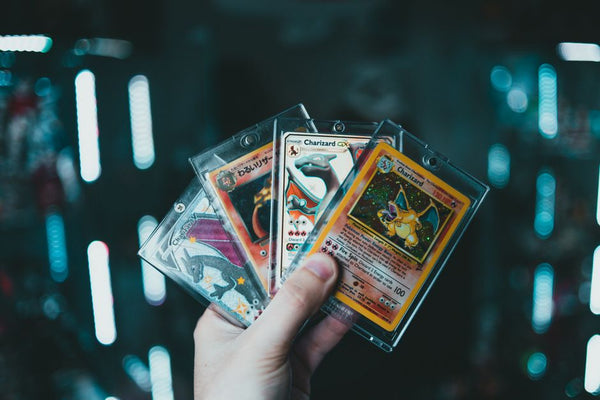
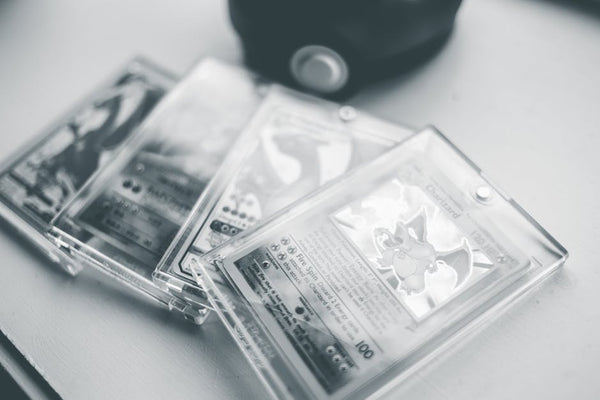
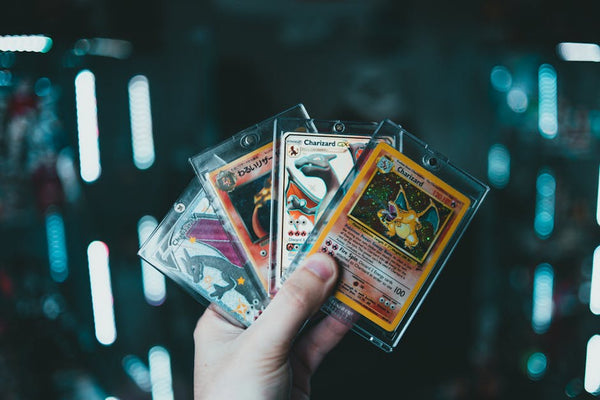
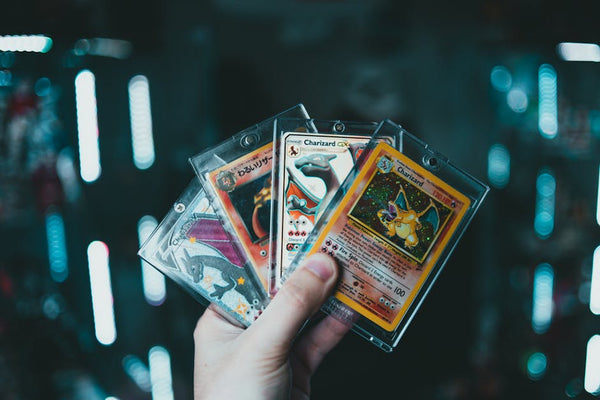
Base Set Charizard. Everyone knows it. Everyone wants it. PSA 10 copies are hitting six figures now.
But that's exactly the problem. When everyone thinks the same card is "the investment," you're already late to the party. It's like buying NVIDIA stock after everyone's talking about AI – sure, it might keep going up, but you missed the real gains.
Don't get me wrong. A PSA 10 Base Set Charizard is still solid. It's the Pokemon equivalent of Counter-Strike skins – there's always demand. But paying $300k for one now? That's some serious FOMO energy.
The smarter play? Look at other Base Set holos that people sleep on. Blastoise, Venusaur, even cards like Magneton or Gyarados. They don't get the hype, but they're from the same legendary set. When I see a clean Base Set Blastoise going for 10% of what Charizard costs, that's where the real opportunity sits.
Why First Edition Actually Matters (And Why It Doesn't)
Here's a hot take: First Edition stamps are overrated on most sets.
Yeah, I said it. Everyone obsesses over that tiny "1st Edition" symbol like it's some magical value multiplier. For Base Set? Absolutely matters. Neo Genesis? Sure. But if you're paying 5x more for a First Edition card from some random 2019 set, you're getting played.
The market gets this wrong constantly. People think First Edition = automatic investment, but that's not how rarity works. It's about print runs, popularity, and actual demand. A First Edition card from a set that printed millions of copies isn't rare – it's just slightly less common.
Want to know what actually drives value? Age, condition, and cultural significance. That's it.
The Sets That Actually Matter
Let me save you some pain. Here are the Pokemon TCG sets where cards consistently hold value:
- Base Set through Neo Destiny (1998-2001)
- E-Card series (2002-2003)
- EX series highlights (2003-2007)
- Diamond & Pearl era (2007-2011)
- Black & White series (2011-2013)
Notice a pattern? These are the sets that hit when Pokemon was culturally massive or when the card game itself was evolving. Everything after 2013 gets sketchy for long-term holds unless you're talking about specific chase cards.
Modern Cards: Where the Real Money Hides
Personally, I think most people are sleeping on certain modern cards while chasing the wrong ones.
Everyone goes crazy for alternate art cards from recent sets. Don't get me wrong – some of these are gorgeous. But beautiful doesn't always mean valuable long-term. You want to look at cards that combine multiple factors: low print numbers, competitive relevance, and iconic Pokemon.
The Golden Pikachu cards from special sets? Those have legs. Anything with Charizard that's actually scarce? Solid play. But these random full-art trainers everyone's hyping up? That's pure speculation.
Here's what I'm watching in modern Pokemon TCG: cards that bridge nostalgia with current game mechanics. The 25th Anniversary set did this perfectly. When you can grab cards that appeal to both investors and players, you've found something special.
The Grading Game Reality Check
PSA grading has become its own beast. People act like a PSA 9 versus PSA 10 is the difference between success and failure.
Honestly? Sometimes it is. A PSA 10 Base Set Charizard sells for 3-5x what a PSA 9 does. But here's the kicker – most modern cards don't have that same multiplier effect. You might pay $50 to grade a card that gains $30 in value. That's not investing, that's gambling with worse odds.
The sweet spot for grading is cards you're confident can hit PSA 9 or 10, from sets old enough to have natural scarcity. Sending every modern pull to PSA is how you lose money fast.
Japanese Cards: The Overlooked Goldmine
Want to know where smart money goes? Japanese exclusive promos and tournament cards.
The Japanese market is wild. Cards that never saw English releases, tournament prizes, store exclusives – this stuff doesn't get the attention it deserves from Western collectors. But the fundamentals are insane. Lower print runs, different artwork, cultural significance in Pokemon's home market.
I've seen Japanese Base Set cards in similar condition go for 50-60% of what English versions cost. That gap won't last forever. When the Western market catches up to what Japanese collectors already know, those prices will normalize upward.
The Japanese Pokemon TCG market operates on different rules. What looks expensive there often becomes a bargain six months later when Western demand catches up.
Red Flags in Pokemon Card Investing
Let's talk about what NOT to buy. Because tbh, most "investment advice" in this space is straight garbage.
YouTuber hype cards. Ngl, if someone with a channel is telling you to buy specific cards, you're already behind the curve. By the time investment advice hits social media, the real gains are gone.
Anything from sets with massive print runs. Modern Pokemon prints millions of cards. Unless you're talking about genuine chase cards or errors, most stuff from recent years will settle at or below box price long-term.
Damaged "investment" cards. I see people buying heavily played vintage cards thinking they're getting deals. Condition is everything in this market. A damaged card might cost 10% of mint pricing, but it'll never appreciate like clean copies do.
And here's a big one – don't invest in cards you don't understand. The Pokemon card game has actual mechanics, competitive scenes, rotation schedules. Cards that are powerful in tournaments have different value drivers than pure collectibles. Know which category you're buying into.
The Real Strategy: Portfolio Thinking
Successful Pokemon TCG investing isn't about hitting home runs on single cards. It's about building a portfolio that covers different risk levels and time horizons.
Your blue-chip holdings? Clean vintage cards from major sets. These are your S&P 500 equivalents – steady growth, proven demand, liquid when you need to sell.
Your growth plays? Undervalued cards from transitional periods in the game's history. Maybe some Japanese exclusives, maybe some tournament promos that haven't gotten mainstream attention yet.
Your speculation money? That goes into modern cards where you think you've spotted something the market missed. But this should be maybe 10-20% of your total Pokemon budget max.
When To Actually Sell
Here's something nobody talks about: exit strategy. You can pick perfect cards to invest in, but if you don't know when to sell, you'll watch gains evaporate.
The Pokemon market moves in cycles. Big gains usually happen around anniversary years, movie releases, or when the brand hits cultural moments. Black Friday and Christmas drive short-term spikes. Summer tends to be slower.
Personally, I think the next major cycle hits when Pokemon does something big for their 30th anniversary. That's 2026 – not far away. Cards that are building value now could see serious momentum then.
But don't wait for perfect timing. If you've doubled your money and need cash, take profits. The number of people who held Pokemon cards "just a little longer" and watched crashes wipe out gains is honestly sad.
The Market Reality Check
Look, I love Pokemon cards. The nostalgia hits hard, the artwork is incredible, and yeah, some cards have made people real money. But let's be honest about what we're dealing with here.
This is still a speculative market driven largely by emotion and nostalgia. When economic conditions get rough, luxury collectibles get hit first. Pokemon cards aren't immune to broader market forces.
The explosion in prices over the last few years brought in a lot of new buyers who might not stick around if returns slow down. That's not necessarily bad – it might shake out some of the pure speculation and leave more reasonable pricing for actual collectors.
What I'm saying is: invest money you can afford to lose. Treat this like any other alternative investment. Have fun with it, but don't bet your future on cardboard.
The Pokemon TCG at TieredUp Tech isn't going anywhere. Neither are the people who genuinely love this game. That foundation of real demand? That's what makes certain cards worth holding long-term, regardless of market hype cycles.
Smart money focuses on cards with staying power, not just quick flips. Build a collection you'd want to own even if prices never moved again. That's how you win at Pokemon card investing – by actually understanding what makes this game special in the first place.













Leave a Comment