


Pokemon TCG Investing: Which Cards Actually Hold Their Value Long-Term?
Look, I've been tracking Pokemon TCG card prices like they're GPU fluctuations during a crypto boom. And honestly? The parallels are wild. Just like how a 3070 Ti's value crashed when the 4070 dropped, Pokemon cards follow similar market dynamics. Some maintain their value like a flagship CPU, others crash harder than a poorly optimized game on launch day.
Been collecting and trading for over a decade now. Watched Base Set Charizards go from $20 garage sale finds to five-figure auction pieces.
The thing is, most people approach Pokemon TCG investing completely wrong. They chase hype instead of fundamentals.
The Foundation Cards That Never Go Out of Style
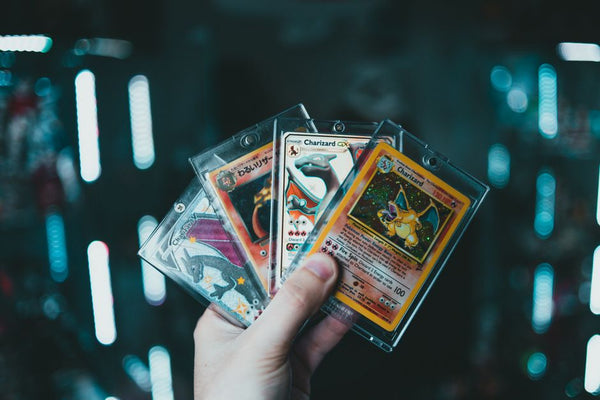
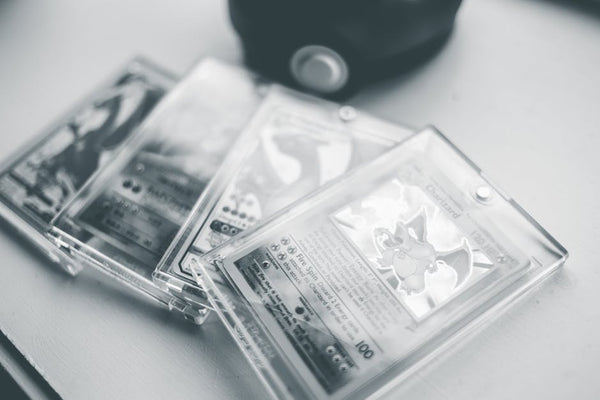
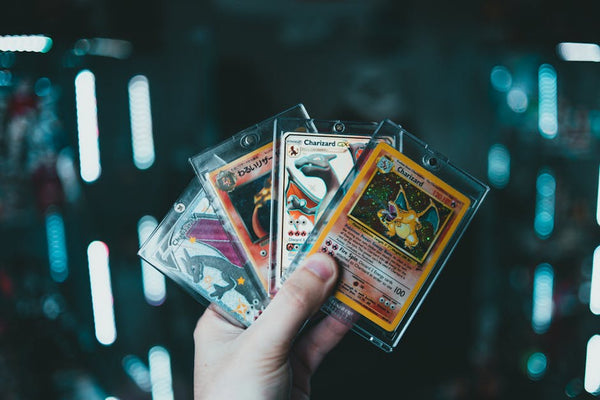
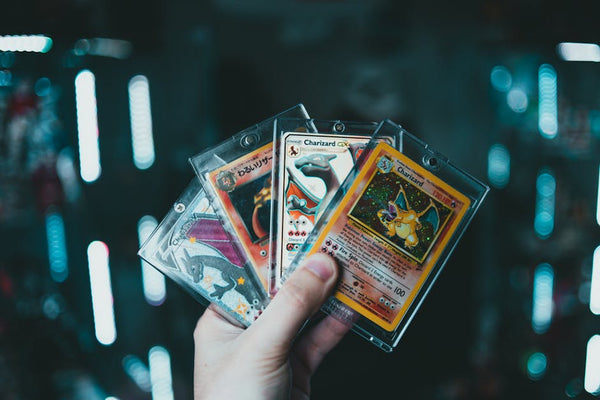
Let's talk about the absolute units first. Base Set cards from 1998-1999 are basically the Intel 8086 of Pokemon — they started everything. That shadowless Base Set Charizard? It's not going anywhere value-wise. Period.
But here's where it gets spicy. Everyone knows about Charizard. What about the sleepers?
Base Set Blastoise consistently outperforms most modern cards. PSA 9 copies regularly sell for $2,000-$4,000. Meanwhile, people sleep on Venusaur, which sits around $800-$1,200 for the same grade. That's like finding RTX 4080 performance at RTX 4070 pricing.
Personally, I think the entire Base Set trio holds value because of pure nostalgia factor. These cards represent the beginning of everything. They're not just playing pieces — they're cultural artifacts.
Japanese Cards Hit Different
Japanese Base Set cards trade at premiums that make scalped console prices look reasonable. The print quality was better. The centering was tighter. Plus, Japan got Pokemon first, making their cards the true "first edition" in my book.
Japanese No Rarity Charizard from the starter decks? That card's trajectory looks like GameStop stock in 2021. Started around $50, now hitting $500+ for decent copies.
Modern Sets: Separating the Wheat from the Chaff
Here's where things get tricky. Modern Pokemon cards are like current-gen GPUs — there's so many variants that value gets diluted. Special arts, alternate arts, full arts, secret rares. It's exhausting.
But some patterns emerge. Cards featuring popular Pokemon in unique art styles tend to stick. That Moonbreon (Umbreon Alternate Art from Evolving Skies)? Still holding strong at $300+ despite massive print runs. Why? Because it's gorgeous and features one of the most beloved Pokemon ever.
Hot take: Most modern chase cards peak within six months of release, then slowly bleed value unless they feature certain Pokemon. The exceptions? Charizard variants, Pikachu promos, and anything with genuinely stunning artwork.
The Hype Cycle Reality Check
Remember when Pokemon 25th Anniversary products were selling for double MSRP? Those golden Mew cards that hit $200? They're sitting at $40 now. Classic hype bubble behavior.
I watched customers at our shop here in Orange, TX get burned chasing these quick flips. They'd buy cases at inflated prices, expecting infinite growth. Sound familiar? It's exactly what happened with crypto mining cards in 2021.
The lesson? Don't buy at peak hype. Wait for the inevitable crash, then pick up quality cards at reasonable prices.
Grading: When It Matters and When It Doesn't
PSA grading is like overclocking — it can dramatically increase performance (value), but there's diminishing returns. A PSA 10 Base Set Charizard versus a PSA 9? We're talking $10,000+ difference. But for most modern cards? The grading fees eat into profits.
Here's my rule: Only grade vintage cards (pre-2003) or modern cards worth $100+ raw. Everything else? You're burning money on grading fees.
BGS gets respect for their subgrades, but PSA dominates market perception. It's like arguing AMD versus Intel — technically, both are solid, but market preference drives pricing.
The Population Report Game
Low population counts drive value. Japanese Trophy Pikachu cards exist in quantities that make RTX 4090 stock look abundant. Some tournament prizes have fewer than 10 known copies.
But here's where I get conflicted — are we collecting Pokemon cards or population report numbers? Sometimes the chase for perfect grades overshadows the actual collecting experience.
Japanese vs English: The Great Debate
English cards have broader appeal. Japanese cards have better quality and lower populations. It's like choosing between mainstream AAA games versus indie darlings.
Japanese promotional cards absolutely destroy their English counterparts value-wise. That Japanese Birthday Pikachu? English versions struggle to hit $1,000 while Japanese copies trade for $3,000+.
The accessibility factor matters though. Most collectors in the US can't read Japanese, which creates a ceiling for some cards. But for pure investment? Japanese vintage wins every time.
Market Timing: Reading the Pokemon TCG Economy
Pokemon card markets move in waves. New set releases create selling pressure as people fund new purchases. Holiday seasons drive prices up. Economic downturns? Luxury items like trading cards get hit hard.
2020-2021 was absolute madness. Logan Paul's box opening streams sent Base Set prices into orbit. Celebrity endorsements created artificial demand that couldn't last.
Now we're seeing normalization. Prices fell from peak highs but stabilized above pre-pandemic levels. That's healthy market behavior, tbh.
The Next Generation Factor
Kids who grew up with Diamond/Pearl are now adults with disposable income. Watch for nostalgia cycles hitting cards from 2007-2010. It's already starting with certain Platinum-era cards showing unexpected strength.
This generational wave theory works. We saw it with Base Set when millennials hit peak earning years. Now Gen Z money is starting to flow into their childhood favorites.
Building a Value-Focused Collection
Don't chase every shiny new card. Focus on these pillars:
- Vintage holos from Base Set through Neo Destiny
- Japanese promotional cards with low distributions
- First appearances of popular Pokemon in rare formats
- Tournament prize cards and staff promos
Treat it like building a balanced gaming setup. You want solid foundations (vintage cards), some cutting-edge pieces (select modern chase cards), and reliable performers (popular Pokemon in unique art styles).
The Pokemon TCG selection at most shops focuses heavily on current products, but vintage hunting requires patience and knowledge. Build relationships with other collectors. Join online communities. Information is power in this market.
The Real Talk on Pokemon TCG Investing
Cards aren't stocks. They're collectibles with emotional value attached. That Base Set Charizard isn't valuable just because of scarcity — it's valuable because it represents childhood dreams and pop culture history.
Will Pokemon maintain relevance for another 25 years? Probably. The franchise shows no signs of slowing down, and nostalgic millennials aren't getting any younger.
But remember — collect what you love first, invest second. Because even if values crash tomorrow, you'll still have something that brings you joy. Just like how a perfectly spec'd gaming rig is worth it even if you never benchmark it against others.
The Pokemon TCG market will keep evolving. New mechanics, new art styles, new generations of players. But those foundation pieces — the cards that started it all — they're not going anywhere. And honestly? That's probably the safest bet in this entire wild market.










Leave a Comment