


Pokemon TCG Investing: Which Cards Actually Hold Their Value (And Which Don't)
Let's be real here. Pokemon TCG investing isn't like buying Bitcoin or stocks where you can set it and forget it. The trading card game market moves fast, crashes hard, and will humble you if you're not paying attention. I've seen too many people at our shop lose serious cash because they bought into hype instead of understanding what actually drives card values.
Here's the thing nobody wants to tell you upfront. Most cards lose value. Period.
The Harsh Reality of Pokemon TCG Card Values
Walk into any card shop and you'll see binders full of "investments" that are worth less than the plastic sleeves protecting them. The Pokemon TCG market is brutal because supply is massive and reprints happen constantly. That $200 chase card from last month? It's probably $80 now because Pokemon printed another wave.
I remember when Battle Styles released and everyone was going crazy over Urshifu VMAX. People were paying $150-200 for a single card that's now sitting at $30-40. Why? Because they didn't understand print runs and market saturation.
Hot take: if you're buying modern Pokemon cards expecting them to appreciate like vintage Base Set, you're gonna have a bad time. The print quantities today are insane compared to the late 90s.
Why Modern Cards Usually Tank
Modern Pokemon sets get printed into oblivion. Pokemon Company doesn't want artificial scarcity hurting their game, so they keep printing until demand dies. Smart business move for them. Terrible for your wallet if you bought at peak hype.
Plus, the playerbase is massive now. Competitive players need playsets of everything, collectors want pristine copies, and investors are hoarding sealed product. That's a lot of hands grabbing for cards, which drives up initial prices before reality sets in.
Cards That Actually Hold Value: The Real Winners
So what works? Let me break down the categories that consistently perform well, based on years of watching this market.
Vintage is King (But Be Careful)
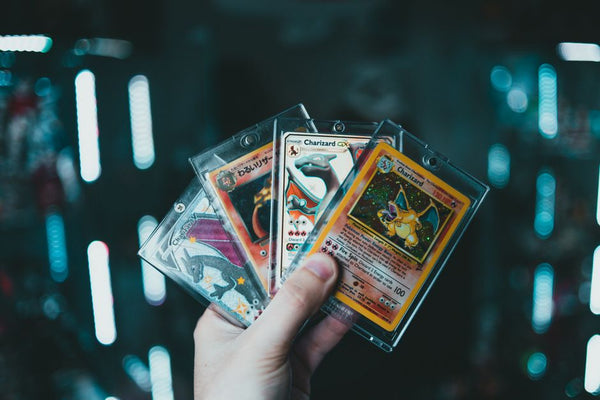
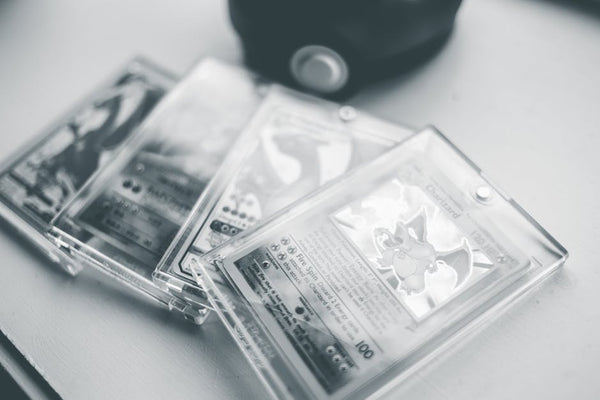
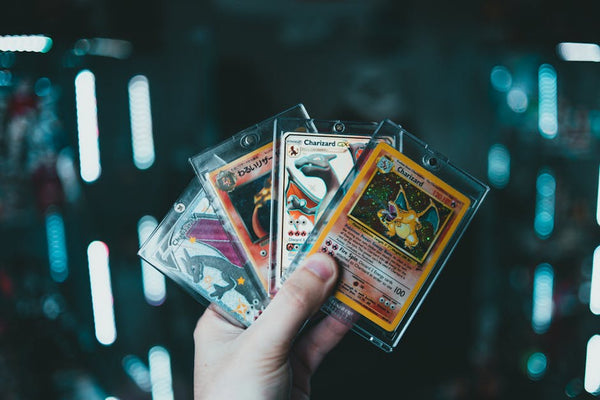
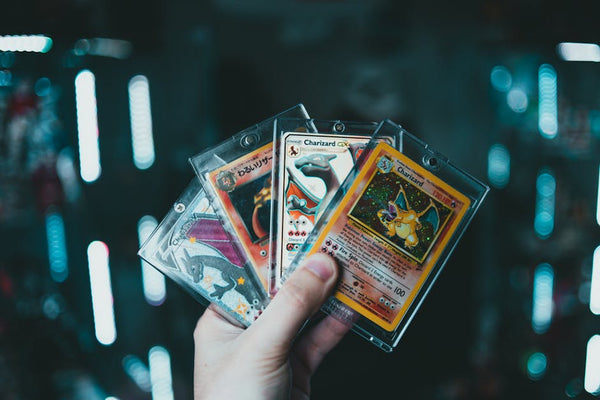
Base Set Charizard isn't a meme. It's the poster child for a reason. First edition Base Set cards from 1998-1999 have legitimate scarcity and cultural significance that modern cards simply don't possess. We're talking about cards printed when Pokemon was just starting to explode globally.
But here's where people screw up. They see a PSA 10 Base Set Charizard sell for $350,000 and think any vintage card is gold. Wrong. That price was for a literal perfect copy of the most iconic Pokemon card ever made. Your played condition Machamp isn't retiring you early.
The vintage cards that hold value share specific traits:
- First edition stamps from Base Set, Jungle, or Fossil
- High grades (PSA 9-10 territory)
- Iconic Pokemon (Charizard, Pikachu, Blastoise, Venusaur)
- Actually scarce print runs
Japanese Exclusives and Promos
This is where smart money goes. Japanese Pokemon cards often have much smaller print runs than their English counterparts. Trophy cards from tournaments, special promotional releases, and region-exclusive sets can maintain value because they're genuinely rare.
The 1997 Pokemon Japanese Base Set cards are solid investments if you can authenticate them properly. Same with early Japanese promotional cards like the Pokemon Center exclusive releases. These weren't distributed globally, so supply stays tight.
Personally, I think English collectors sleep on Japanese cards because they can't read them. That's their loss and your opportunity.
Common Pokemon TCG Investing Mistakes That'll Destroy Your Portfolio
Chasing Rotation Hype
Standard format rotates every year. Cards that are essential for competitive play spike hard, then crash when they rotate out. I've watched players drop $400 on playsets of cards that become worthless 18 months later.
Perfect example: Dedenne-GX was a $60-80 card when it was format-defining. Post-rotation? It's sitting at $15. The card didn't become worse, it just became irrelevant for tournament play.
If you're buying cards purely because they're good in Standard, you're not investing. You're gambling on tournament results.
Buying Graded Cards at Peak
PSA and BGS grading creates artificial urgency. People see that PSA 10 label and their brains shut off. They'll pay 3x raw card value for a slab without thinking about whether that premium makes sense.
Here's what nobody tells you about graded cards. Most modern Pokemon cards aren't rare enough to justify massive grading premiums. A PSA 10 card from a set with millions of copies printed isn't necessarily valuable just because it's graded perfectly.
I've seen people pay $300 for graded modern cards that sell for $50 raw. That math doesn't work unless you're betting on massive future appreciation that probably isn't coming.
Ignoring Condition Like It Doesn't Matter
Condition is everything in Pokemon TCG investing. The difference between Near Mint and Lightly Played can be 50% of the card's value. Heavily Played vintage cards are basically worthless compared to their pristine counterparts.
I can't tell you how many people buy "vintage" cards on eBay without checking condition carefully. They see Base Set Charizard for $500 and think they're getting a deal, then receive a card that looks like it survived a blender.
What's Worth Buying Right Now?
Honestly? Not much from modern sets. Pokemon TCG card investing works best when you're patient and selective. The market is overheated right now because everyone thinks they're the next Logan Paul.
But if you're determined to buy something, focus on these areas. High-grade Japanese vintage cards are still undervalued compared to English equivalents. Early Black Star promos in perfect condition. Maybe some of the really early ex-series cards if you can find them cheap.
Working at our shop here in Orange, TX, I see people make the same mistakes constantly. They want quick returns instead of understanding that real appreciation takes years, not months.
The Unsealed vs Sealed Debate
Should you buy sealed product or individual cards? This one's tricky because both approaches have merit. Sealed vintage booster boxes are phenomenal investments if you can afford them and verify authenticity. A first edition Base Set booster box is worth more than most people's cars.
But modern sealed product? That's where I get skeptical. Pokemon prints so much now that sealed boxes don't develop scarcity for years. You're better off buying the specific cards you want rather than gambling on pack odds.
The exception might be special sets with limited print runs, but those are rare these days. Pokemon learned that artificial scarcity hurts their brand more than it helps.
The Bottom Line on Pokemon Card Values
Most Pokemon cards aren't investments. They're collectibles that might appreciate if you're lucky and patient. The cards that consistently hold value are either genuinely rare (vintage first editions), culturally significant (Base Set Charizard), or competitively eternal (Professor Oak, though even that rotated eventually).
If you're serious about Pokemon TCG investing, treat it like any other speculative market. Don't invest money you can't afford to lose. Diversify across different eras and card types. Most importantly, understand what drives value in this specific market before you start throwing money around.
The biggest winners in Pokemon card investing aren't the people chasing quick flips. They're the ones who bought smartly years ago and held through multiple market cycles. That takes patience most people don't have, which is exactly why it works.







Leave a Comment