


Pokemon TCG Investing: Which Cards Actually Hold Their Value (And Which Are Total Scams)
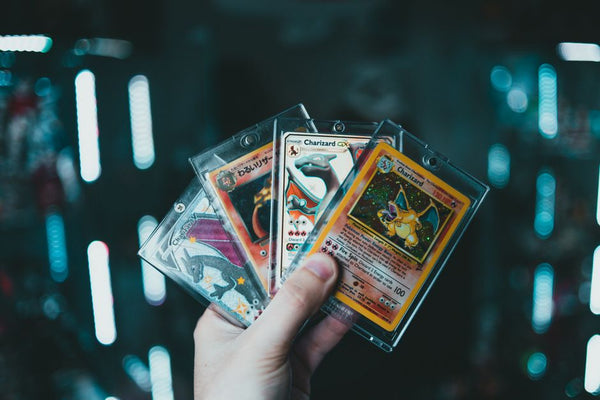
Look, I've been building gaming rigs for over a decade, but lately I've been watching people drop more cash on Pokemon TCG cards than they spend on RTX 4090s. No joke. Last week at TieredUp Tech, a customer showed me his Charizard collection worth more than the custom loop system I just quoted him. Got me thinking – what's the actual deal with Pokemon card investing?
Here's the thing about card investing that most people get completely wrong. They think it's like crypto or stocks. It's not.
Cards are physical collectibles with actual rarity, printing costs, and genuine demand from players who actually use them in tournaments. But the market is also flooded with absolute garbage that influencers are pushing as "investment grade." Time to separate the wheat from the chaff.
Base Set Cards: The Blue-Chip Stocks of Pokemon TCG
If you're gonna invest in Pokemon cards, start here. Base Set cards from 1998-1999 are basically the Intel stock of the trading card game world – they're not going anywhere.
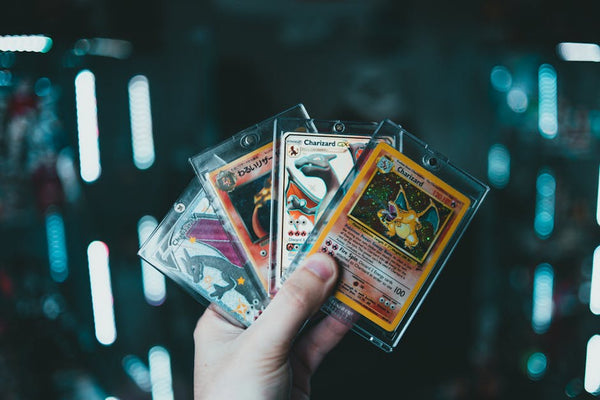
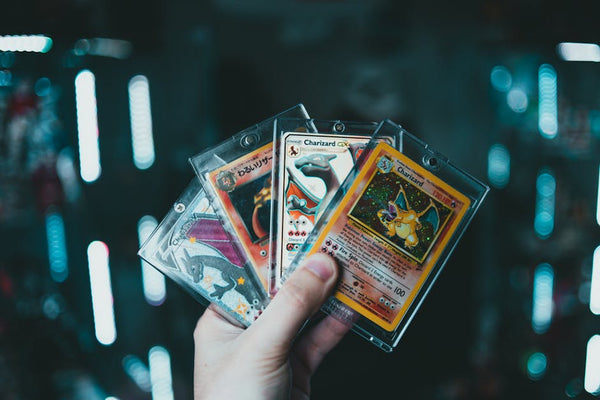
Shadowless Base Set Charizard in PSA 10? That thing hit $350,000+ in 2022. Even now, after the market corrected, mint condition examples are still pulling $50,000-100,000. That's not speculation – that's documented sales data from PWCC and Heritage Auctions.
But here's what most people miss: you don't need the holy grail to make money. A PSA 9 Base Set Charizard (shadowless) has consistently held $15,000-25,000 over the past two years. Even played condition examples are worth $3,000-5,000 if they're authentic.
Other Base Set heavyweights that actually hold value:
- Blastoise (shadowless) – PSA 9s around $3,000-4,000
- Venusaur (shadowless) – PSA 9s hitting $2,500-3,500
- Alakazam, Chansey, Hitmonchan (all shadowless) – $500-1,500 depending on condition
Why do these work? Simple supply and demand, bro. They stopped printing Base Set in 1999. There's a finite supply, and everyone who grew up with Pokemon wants one. That's not changing anytime soon.
Modern Cards: Where the Smart Money Goes
Personally, I think people sleeping on modern cards are making a huge mistake. Yeah, Base Set gets all the headlines, but some of these newer sets have insane chase cards with way better print quality and authentication.
Japanese Pokemon cards consistently outperform English versions. The Japanese market treats these things like fine art. Look at the Pokemon Illustrator Pikachu from 1998 – only 23 confirmed PSA 10s exist. One sold for $5.275 million in 2022. That's not a typo.
But let's talk realistic modern investments. Hidden Fates shiny Charizard GX has been rock solid. PSA 10s sitting at $800-1,200 for the past year. Not explosive growth, but steady appreciation with actual tournament play driving demand.
Champions Path shiny Charizard V? Different story. This card got reprinted into oblivion. I watched PSA 10s drop from $400 to $150 in six months. Classic example of Pokemon Company flooding the market.
Japanese vs English: The Real Talk
Hot take: if you're serious about investing, Japanese cards are the move. The print quality is objectively better – tighter cuts, better centering, fewer print lines. Japanese collectors are also way more serious about condition.
English cards from Wizards of the Coast era (1998-2003) are solid because Wizards actually gave a damn about quality control. Once Pokemon Company took over English printing? Quality went downhill fast.
I've seen fresh-from-pack modern English cards that wouldn't grade PSA 8 because of factory defects. Meanwhile, Japanese cards consistently grade higher straight from packs.
The Cards That Are Complete BS (Don't Get Scammed)
Time for some real talk about cards that are absolutely not investments, despite what TikTok told you.
McDonald's promo cards. Stop. Just stop. I don't care if someone on Reddit claimed their Pikachu is worth $100. These cards were printed in quantities that would make Nvidia jealous. Every single McDonald's location got thousands of these things.
Most Sword & Shield era cards are massively overprinted. The Pokemon Company learned that artificial scarcity drives sales, so they intentionally short-printed certain sets. But they also realized they were leaving money on the table, so newer sets get reprinted constantly.
Honestly, anything from Brilliant Stars forward should be viewed skeptically. Yes, there are exceptions like alternate art Charizards, but the base value proposition isn't there anymore.
Here's what really grinds my gears: influencer-driven card prices. Logan Paul buying a $6 million Charizard created this bubble where people think every shiny card is worth thousands. Most aren't worth the cardboard they're printed on.
Grading: Your Best Friend or Expensive Mistake?
PSA grading costs $20-150 per card depending on value tier and turnaround time. That's before shipping and insurance. You better be damn sure your card is worth grading.
Rule of thumb: if the card isn't worth at least $100 in raw condition, don't bother grading. The fees will eat your profit margin alive.
But here's where it gets interesting. A PSA 10 vs PSA 9 can mean the difference between $1,000 and $10,000 for high-end cards. The grading game is absolutely brutal at the top level.
BGS (Beckett) is generally more strict than PSA, especially for modern cards. A BGS 10 (Black Label) is rarer than a PSA 10, but PSA has better brand recognition and liquidity. Pick your poison.
Storage: Don't Be an Idiot
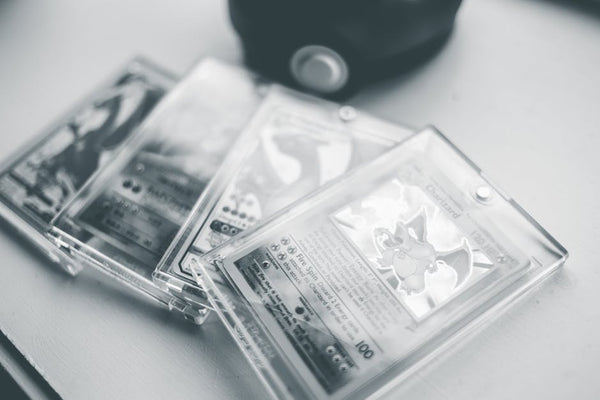
I've seen people drop $5,000 on a card then store it in a shoebox. Penny sleeves, toploaders, team bags – minimum. For expensive cards, get proper storage cases with UV protection.
Temperature and humidity matter. A basement in Louisiana will destroy cards faster than you can say "market crash." Climate-controlled storage isn't optional for serious collections.
Market Timing: When to Buy and Sell
The Pokemon card market follows predictable patterns. New set releases create temporary dips in older card prices as people chase new shiny things. That's your buying window.
Holiday seasons drive prices up because gift buyers who don't know better are willing to pay premium prices. November-December is prime selling season.
But honestly? Trying to time this market perfectly is like trying to predict GPU prices during a crypto boom. The fundamentals matter more than short-term fluctuations.
What fundamentals? Tournament play, nostalgia cycles, supply constraints, and overall market health. Base Set will always have value because it's the foundation of Pokemon TCG. Modern cards need sustained competitive relevance or incredible artwork to maintain prices.
The Real Question: Are You Actually Investing?
Let's be brutally honest here. Most people buying Pokemon cards aren't investing – they're gambling with extra steps and better marketing.
Real investing means buying assets that appreciate predictably over time with reasonable risk management. Pokemon cards can do that, but only specific cards in specific conditions with proper research.
If you're buying random booster packs hoping to hit something valuable, you're not investing. You're playing the lottery with worse odds than actual lottery tickets.
The people making real money in Pokemon TCG are buying established cards with proven track records, not chasing the latest hype release.
Want to actually invest in Pokemon? Buy PSA 9+ Base Set holos, Japanese vintage promos, and select modern chase cards with tournament relevance. Everything else is speculation.
And remember – cards you can't afford to lose shouldn't be in your collection. The market can crash tomorrow if Pokemon Company decides to reprint everything or if the nostalgia bubble finally pops. Don't bet your rent money on cardboard, no matter how shiny it is.
The Pokemon TCG market isn't going anywhere, but it's not a guaranteed money printer either. Do your research, buy smart, and don't get caught up in the hype cycles. Your future self will thank you when you're not explaining to your spouse why you spent $500 on a cartoon dragon.
Looking for the right setup? Check out Pokemon TCG at TieredUp Tech — built right here in Orange, TX.







Leave a Comment