


Magic: The Gathering Final Fantasy Crossover — Is It Worth Your Hard-Earned Cash?
Okay, let's talk about elephants in rooms. The MTG Final Fantasy crossover just dropped, and everyone's asking me the same question: "Sarah, should I spend my grocery money on these cards?" Look, I've been through enough Magic The Gathering product launches to know when something's actually worth it versus when Wizards is just printing money with fancy art.
Here's the thing. I'm conflicted.
That doesn't happen often. Usually I can spot a cash grab from orbit — remember those Walking Dead Secret Lair drops that aged like milk? But this Final Fantasy crossover is making me second-guess my usual "wait and see" approach. Why? Because the gameplay mechanics actually seem... good?
What You're Actually Getting in MTG Final Fantasy Packs
Let me break down what's in these $4.99 booster packs because Wizards loves hiding the real value proposition. You're getting 15 cards per pack, with guaranteed foil treatments on specific characters. Cloud Strife isn't just some vanilla creature — he's got a legitimate equipment synergy that makes sense in both Limited and Constructed.
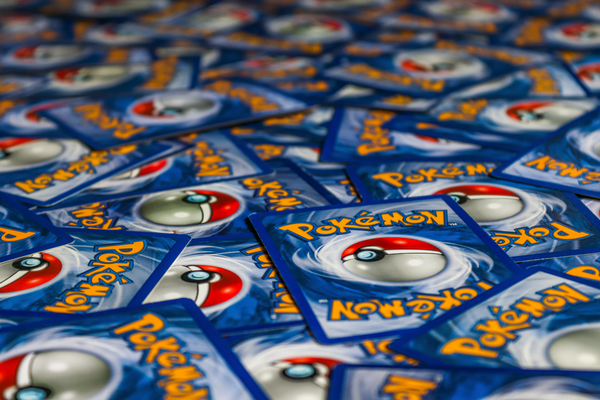
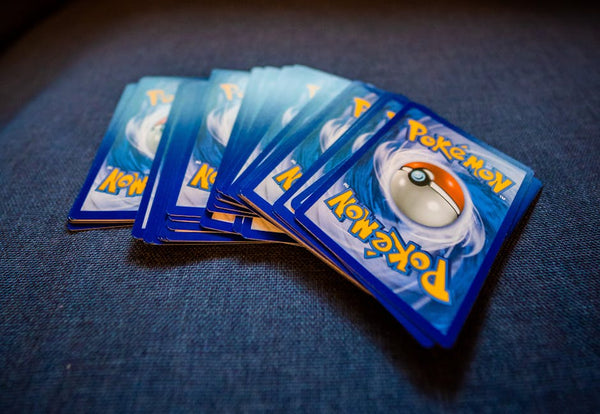
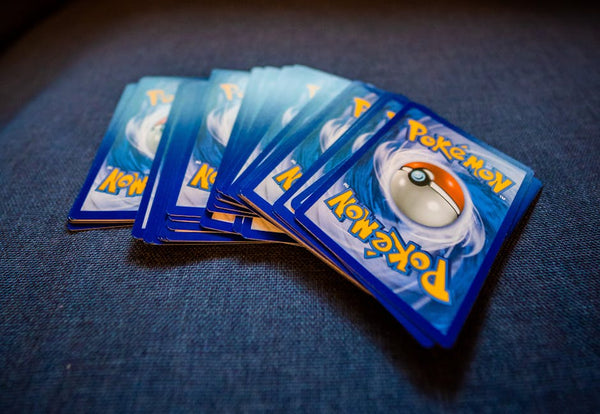
But here's where it gets interesting. Remember when Pokemon TCG started doing crossover mechanics that actually enhanced gameplay instead of just slapping anime characters on basic cards? That's what this feels like. Terra's transform ability mirrors her Esper form from FF6, and it's not just flavor text — it's a real threat on turn four.
The mana costs are reasonable too. We're not looking at another Omnath situation where everything's either completely busted or unplayable. Most cards sit in that sweet spot between three and six mana where you can actually cast them without mortgaging your firstborn.
Price Point Reality Check
Here's my hot take: at five bucks per pack, you're paying a 25% premium over standard Magic sets. Is that worth it? Depends on what you're chasing.
If you're hoping to crack a $200 Sephiroth and pay off your student loans — nah, friend. That's not how trading card game economics work. But if you want cards that'll hold their value better than most Standard releases while actually being playable? We might have something here.
I've seen the secondary market prices, and honestly, they're not as inflated as I expected. Individual singles are running about 15-20% higher than comparable power level cards from recent sets. That's the Final Fantasy tax, but it's not completely unreasonable.
The Gameplay Question Everyone's Dancing Around
Can we talk about what really matters? These cards don't suck. I was expecting another Universes Beyond situation where the mechanics feel tacked on, but Wizards actually did their homework here.
Personally, I think the Crystal mechanic is brilliant. It gives you mana fixing without breaking the color pie, and it scales with the late-game grindiness that makes Final Fantasy memorable. When I was helping a customer at our shop here in Orange, TX build their first Commander deck, they immediately gravitated toward Vivi because his ability to convert excess mana into card advantage felt intuitive.
Lightning's planeswalker card is legitimately powerful without being oppressive. Her +1 ability synergizes with aggressive strategies, but her ultimate isn't an instant "I win" button. That's... refreshing? When's the last time we got a planeswalker that felt balanced on release?
Format Impact and Longevity
Standard rotation happens. We know this. But these Final Fantasy cards are going straight into Modern and Legacy pools, and some of them look spicy enough to stick around.
Chocobo tribal might sound like a meme, but the lord effects are real. The Equipment matters theme isn't just flavor — it's pushed enough to impact Constructed play. I'm not saying we're looking at format-warping threats, but these aren't bulk rares either.
Commander is where things get really interesting though. The legend density is high, and most of them offer unique build-around potential. Tidus as a combat damage matters commander? That's going to spawn budget decks for years.
Who Should Actually Buy These Cards?
Short answer? It depends on your priorities.
If you're a Final Fantasy fan who's been intimidated by Magic's complexity, this is your entry point. The power level is high enough to be competitive but not so broken that you'll get stomped by meta decks. Plus, you'll actually recognize the characters — no small thing when you're learning a new trading card game.
Competitive players should grab singles, not packs. I know, I know — cracking packs is fun. But if you need specific cards for your deck, just buy them individually. You can find everything you need through Magic: The Gathering Singles dealers without gambling on booster variance.
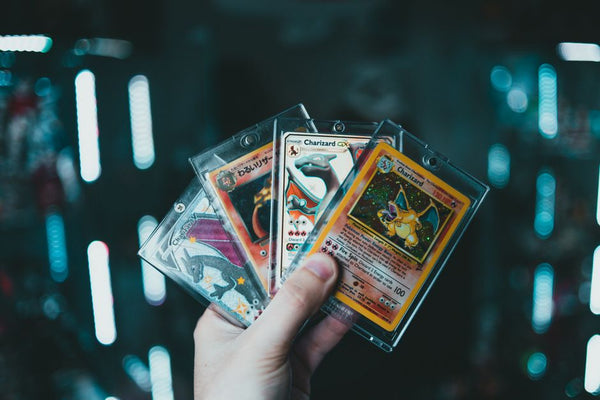
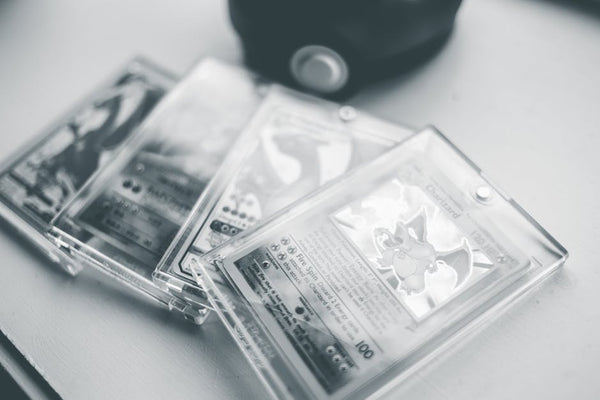
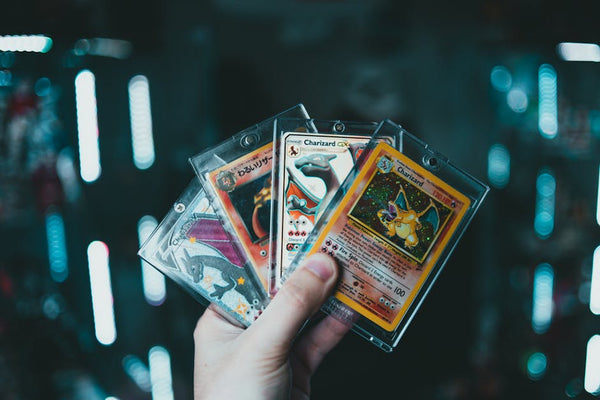
Collectors are in a weird spot. These cards will hold value better than most Magic products, but they won't appreciate like vintage Pokemon or Alpha Magic cards. Think of them as solid holds, not lottery tickets.
The Budget Player's Dilemma
Look, I get it. Five bucks per pack adds up fast. If you're working with a tight gaming budget, wait six months. Seriously.
The initial hype premium will fade, singles prices will stabilize, and you'll get a clearer picture of what's actually playable long-term. I've seen too many players blow their entire Magic budget on day-one purchases only to regret it when prices normalize.
But — and this is important — don't sleep on the cards entirely. The Limited format is legitimately fun, and draft boxes are selling for reasonable prices. If you can split a box with friends, you'll get solid value plus the experience of playing with these mechanics.
My Honest Assessment After Two Weeks
Would I buy these with my own money? Yeah, but not blindly.
I grabbed a bundle for the sealed experience and picked up specific singles for my Commander decks. The gameplay is solid enough to justify the Final Fantasy premium, but barely. We're right on that edge where it's worth it if you care about the IP, questionable if you don't.
The real test isn't whether these cards are playable now — it's whether they'll still feel special in two years. Pokemon's movie tie-in cards from the late 90s are still sought after because they captured something unique. Will Sephiroth and Cloud have that same staying power in the Magic ecosystem?
Honestly? I think they might. Wizards clearly put effort into making these cards feel like Magic cards first, Final Fantasy cards second. That's the reverse of what I expected, and it gives me confidence in their long-term viability.
The crossover isn't perfect — some of the art feels slightly disconnected from Magic's aesthetic, and the price point stings. But if you're asking whether it's worth buying? For most players, the answer is a cautious yes. Just don't expect it to fund your retirement.















Leave a Comment