


JSR's Taiwan Photoresist Plant: Is This Gaming PC Build Investment Worth the Wait?
Okay, so JSR just announced they're dropping serious cash on a Taiwan photoresist plant to work with TSMC. We're talking multi-million dollar investment here, with production starting maybe 2028 if we're lucky. But here's the real question every PC builder should be asking: is this actually going to make our rigs cheaper, or are we just watching another corporate flex that won't touch our wallets for years?
Think of it like this — you know how everyone's been hoarding the best TCG cards waiting for their value to spike? JSR's basically doing the same thing, except they're hoarding photoresist technology instead of holographic Charizards. They're trying to catch up with their Japanese rivals who've been dominating this space.
What Photoresist Actually Means for Your Gaming PC Build
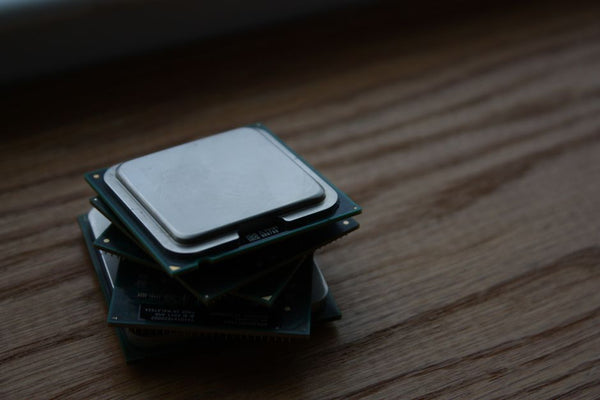
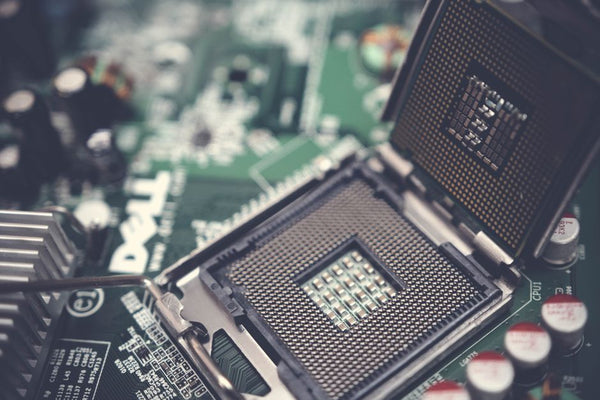
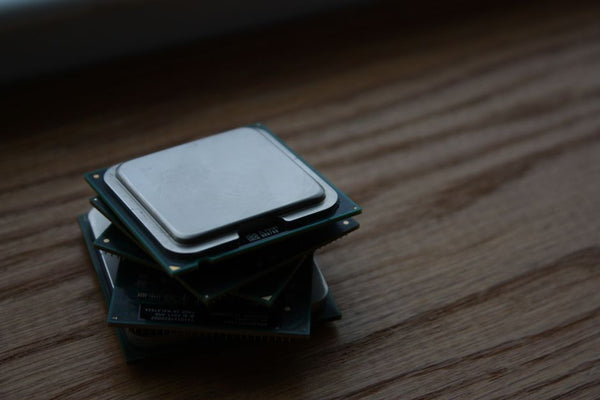
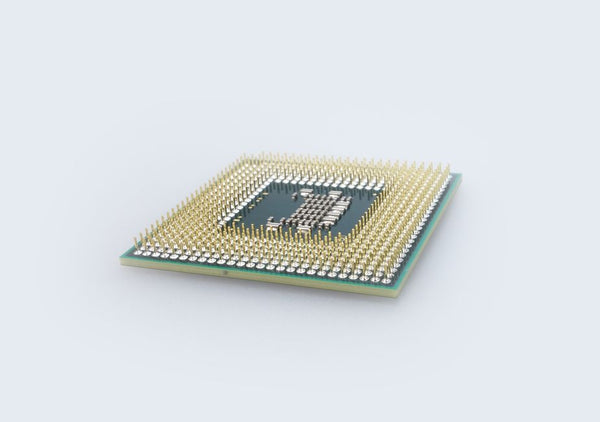
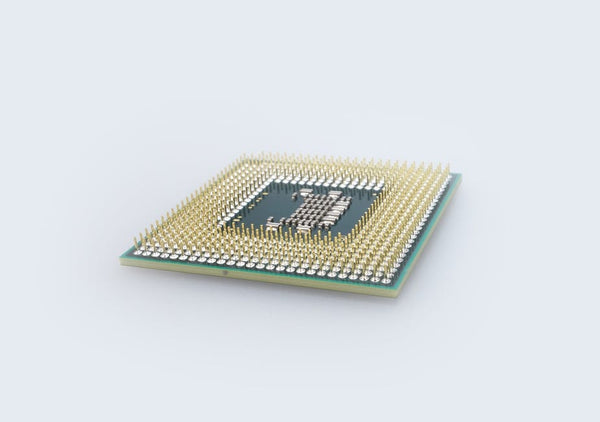
Photoresist is like the unsung hero of chip manufacturing. It's the chemical coating that gets slapped onto silicon wafers before they're etched into the processors we stuff into our custom gaming PC setups. Without good photoresist, your CPU and GPU would be about as useful as a deck of commons.
TSMC makes chips for basically everyone who matters in gaming. AMD's Ryzen 7000 series? That's TSMC. NVIDIA's RTX 4090? Also TSMC. Apple's M-series chips? You guessed it.
So when JSR says they're building a plant specifically to co-develop advanced resists with TSMC, they're essentially saying "hey, we want a piece of that action too." The problem? Their competition has been playing this game longer.
The Competition Problem
JSR's two biggest Japanese rivals have been absolutely crushing it in the photoresist game. We're talking about Tokyo Ohka Kogyo and Shin-Etsu Chemical — companies that sound like they could sponsor a Yu-Gi-Oh tournament but actually control a massive chunk of the chemicals needed for advanced chip production.
This Taiwan facility is JSR's attempt to level the playing field. But honestly, starting production in 2028 feels like showing up to a tournament when everyone else has been practicing for years.
Why This Matters for PC Build Guide Economics
Here's where it gets interesting for us builders. More photoresist suppliers theoretically means more competition, which should drive prices down. But that's like saying more booster pack manufacturers would make Pokemon cards cheaper — theory doesn't always match reality.
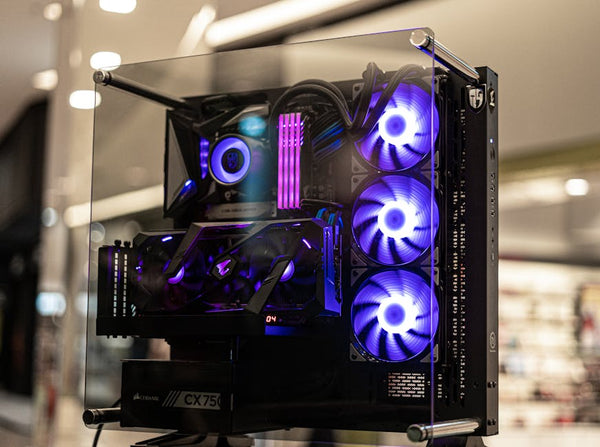
I was helping configure a BitCrate Custom Gaming PC for someone at our Orange, TX shop last week, and they asked why high-end components cost so much. The answer isn't just "because they're good" — it's because the entire supply chain is controlled by a handful of companies.
JSR entering the Taiwan market could shake things up. More supply chain diversity means less risk of shortages when geopolitical stuff goes sideways. Remember the chip shortage of 2021? That wasn't fun for anyone trying to build a decent rig.
The 2028 Timeline Reality Check
But let's be real here — 2028 is forever away in tech years. That's like... six generations of graphics cards from now. By the time JSR's facility comes online, we might be dealing with completely different manufacturing processes.
Will this investment pay off for gamers? Maybe. Will it pay off by the time most of us are ready for our next major upgrade? That's honestly pretty questionable.
The Investment Risk vs Reward Analysis
Personally, I think JSR is making a smart long-term play here, but the timing feels off. It's like buying expensive land to build a game store when everyone's already shopping online — not necessarily wrong, but you better have a solid plan.
The multi-million dollar price tag (they're being coy about exact numbers, which usually means it's expensive AF) suggests they're serious about competing. But starting production four years from now? In semiconductor time, that's basically announcing your 2030 plans.
The facility will close a gap that has put JSR at a disadvantage relative to its two largest Japanese rivals.
This quote from the announcement tells you everything. JSR knows they're behind. They're not innovating ahead of the curve — they're playing catch-up. That doesn't make it a bad investment, but it does make the timeline question even more critical.
What This Means for High-End Builds
If you're planning one of those Epic-Tier BitCrate builds ($2k+), this news probably won't impact your decision making for years. The components you're buying today were designed with photoresist technology that's already mature.
Hot take: by 2028, the bottlenecks in gaming PC performance are going to be completely different anyway. We might be dealing with quantum processing challenges or some wild new memory architecture that makes today's DDR5 look ancient.
The Bigger Picture for PC Builders
What's actually exciting about JSR's move isn't the immediate impact — it's what it signals about the industry. More companies are willing to make massive investments in semiconductor infrastructure. That's bullish for the entire ecosystem.
Think about what happened when AMD finally became competitive with Intel again. Suddenly we had actual innovation and reasonable prices. More competition in the photoresist space could have similar effects down the line.
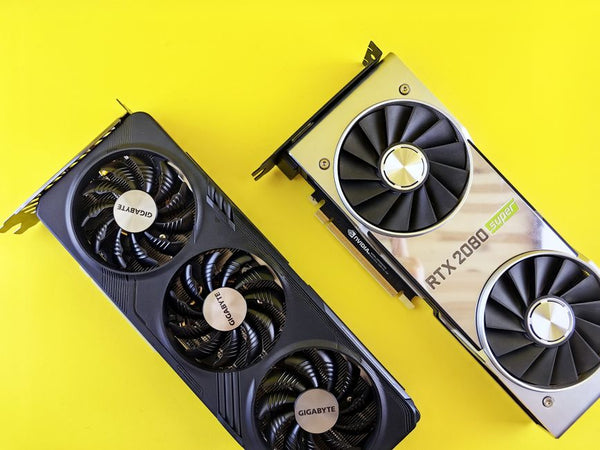
But here's the thing I keep coming back to — is four years too long to wait for meaningful impact? In gaming, four years is like a geological era. The RTX 2080 Ti was king of the hill four years ago, and now it's barely keeping up with mid-range cards.
The real winners here might be the companies building infrastructure for the next wave of semiconductor manufacturing. JSR's betting big on Taiwan staying relevant in chip production through 2028 and beyond. Given TSMC's current dominance, that's probably a safe bet, but nothing's guaranteed in this industry.
So is JSR's investment worth it? For them, probably. For us builders looking for cheaper components tomorrow? Nah. But for the long-term health of the semiconductor supply chain that keeps our rigs running? This could be exactly the kind of diversification we need. Just don't hold your breath waiting for immediate results.











Leave a Comment