


Nvidia CEO Jensen Huang Blocks China from Blackwell AI GPUs: What This Means for Gaming and AI Hardware
Jensen Huang just dropped some serious statements about keeping America's AI crown. The Nvidia CEO basically told China "nah fam" when it comes to Blackwell and the upcoming Rubin AI GPUs, declaring the US should have "the first, the most, and the best" AI hardware. It's like watching someone hoard all the Black Lotus cards while everyone else fights over revised edition basics.
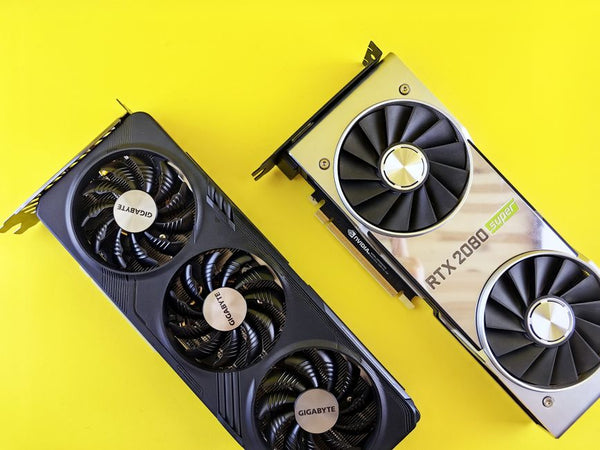
This isn't just corporate posturing either. We're talking about GPU technology that makes the RTX 4090 look quaint.
The Blackwell Situation: More Restricted Than A Tournament Sideboard
Here's where things get spicy. Huang's stance isn't exactly shocking if you've been following the AI arms race, but the directness hits different. He's essentially saying American companies can ship globally (within reason), but the absolute cutting-edge AI accelerators? Those stay home.
Think about it like this: if regular RTX cards are Standard format, these Blackwell AI chips are Vintage-level power. You don't just hand that out to everyone, especially when geopolitical tensions are running hotter than my overclocked 13900K during a Cyberpunk 2077 marathon.
The Blackwell architecture represents a massive leap in AI processing power. We're talking about chips that can handle training models that would make ChatGPT look like a calculator. While most gamers won't directly interact with these enterprise-level beasts, their development trickles down to consumer GPUs faster than you'd think.
What Makes Blackwell So Special?
The technical specs are honestly insane. These aren't your typical gaming GPU reviews we usually see – we're looking at processors designed specifically for AI workloads that dwarf anything in the consumer space. The memory bandwidth alone would make enthusiasts weep tears of joy.
But here's the thing that gets me excited: every breakthrough in AI chip design eventually influences gaming hardware. Remember when RTX cards first dropped with tensor cores? Everyone thought "cool, but when will I use this?" Now DLSS is practically mandatory for 4K gaming.
The Rubin Factor: Future-Proofing American AI Dominance
Rubin is Nvidia's next-gen architecture after Blackwell, and Huang's already drawing lines in the sand about it. That's forward-thinking strategy right there – like sideboarding against a deck before the tournament even starts.
Personally, I think this approach makes sense from a national security standpoint, even if it complicates global tech relationships. AI capability gaps aren't like performance differences between graphics cards where one runs games at 120fps and another hits 144fps. We're talking about fundamental advantages in everything from autonomous vehicles to military applications.
The gaming implications though? That's where things get interesting for us hardware enthusiasts. If America keeps the best AI hardware domestic, it potentially means faster development cycles for consumer GPUs. More competition, better optimization, and maybe – just maybe – prices that don't require selling a kidney.
Gaming Performance Trickle-Down Effect
Every major AI breakthrough eventually shows up in your gaming rig. Those tensor cores I mentioned? Ray tracing acceleration? Variable rate shading? All technologies that started in enterprise before making their way to consumer cards.
When I'm helping customers at our shop here in Orange, TX configure their builds, I always explain how today's enterprise tech becomes tomorrow's gaming standard. The RTX 4060 sitting on our shelves contains technology that was cutting-edge research just a few years ago.
CPU Benchmark Implications: Intel and AMD's Response
Here's where it gets really interesting. Nvidia's AI dominance puts pressure on Intel and AMD to step up their game. Intel's been pushing their Arc GPUs and Xe architecture partly as an AI play, while AMD's RDNA3 includes AI acceleration features.
The CPU benchmark scene is about to get wild. Intel's Meteor Lake and AMD's upcoming architectures both include dedicated AI processing units. Why? Because they see Nvidia eating everyone's lunch in the AI space and want a piece of that action.
Hot take: this protectionist approach might actually accelerate American semiconductor development faster than open competition would. Nothing motivates innovation like existential pressure.
The Performance Gap Reality
Let's be real about what this means for actual performance. Current Blackwell chips are processing AI workloads that would take consumer hardware weeks to complete in hours or days. That's not a 10% improvement – that's orders of magnitude better.
But here's what I find fascinating: games are becoming increasingly AI-dependent. Advanced NPC behavior, procedural generation, real-time ray tracing improvements – all of this benefits from better AI hardware. If American developers get first access to the best AI chips, we might see some incredible gaming innovations coming out of US studios.
Market Dynamics: What This Means for GPU Prices
Now for the question everyone's actually thinking: how does this affect GPU prices? Short answer: it's complicated. Long answer: potentially really good for US consumers, potentially rough for global availability.
If Nvidia keeps the best AI chips in America, that could mean more production capacity for consumer cards domestically. Less competition from overseas buyers could theoretically keep prices more reasonable. But that's assuming Nvidia doesn't just jack up prices because they can.
I'm honestly not sure which way this plays out. The crypto boom showed us how quickly GPU availability can disappear when alternative buyers emerge. But AI companies have way deeper pockets than crypto miners ever did, so the dynamics are different.
For reference, when the RTX 4090 launched at $1599, it was considered expensive. Meanwhile, Nvidia's H100 AI cards sell for over $25,000 each. The profit margins on AI hardware make gaming GPUs look like budget options.
The Global Competition Angle
China isn't sitting still while Nvidia blocks their access. They're developing domestic alternatives, which creates interesting market pressure. Competition breeds innovation, even when it's geopolitically motivated.
This could actually benefit gamers long-term. More players in the high-performance compute space means more technology development, which eventually filters down to consumer products. Think of it like having multiple card game designers competing – the games get better for everyone.
Looking Forward: The Next Hardware Generation
Huang's statements suggest this policy continues through multiple generation cycles. That's significant because it means American AI development gets sustained advantages, not just a temporary edge.
For gaming enthusiasts, this could mean US GPU availability remains strong even as AI demand explodes globally. It's like having guaranteed allocation of the hottest cards while everyone else fights for scraps.
The technology roadmap looks wild too. Rubin architecture promises even bigger leaps in AI performance, and if that stays domestic, American game developers and content creators get access to tools that simply aren't available elsewhere.
What really gets me excited is thinking about what gaming looks like in three years with this kind of AI hardware advantage. Real-time path tracing? AI-generated game content that adapts to your playstyle? NPCs that actually feel intelligent instead of following basic scripts?
Whether you agree with the geopolitical implications or not, one thing's clear: the next few years of hardware development are going to be absolutely bonkers. And honestly? I'm here for it.












Leave a Comment