


AMD Ryzen 9 PRO 9965X3D: First PRO Chip with 3D V-Cache Hits PassMark with 16 Cores
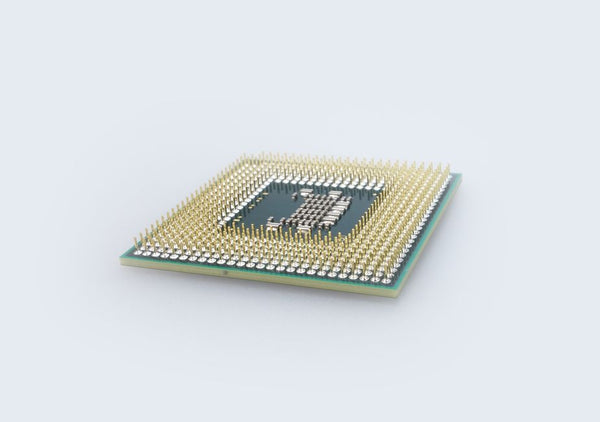
Yo, the leak game is strong today. AMD's newest PRO series chip just got spotted in the wild, and this one's different. The Ryzen 9 PRO 9965X3D is their first professional-grade processor packing 3D V-Cache tech, and it's bringing 16 cores to the enterprise party.
Only three samples showed up on PassMark so far, but the specs are already looking spicy. We're talking Zen 5 architecture with that sweet, sweet extra cache layer that makes gaming performance absolutely bonkers. The question is: does this signal a major shift in how AMD approaches their professional lineup?
What Makes the Ryzen 9 PRO 9965X3D Special
Let's break this down. PRO series chips aren't your typical gaming hardware — they're built for workstations, enterprise systems, and professional applications where stability matters more than peak overclocking. But here's the twist: AMD just slapped 3D V-Cache onto one.
3D V-Cache tech stacks additional L3 cache directly on top of the CPU die. More cache means your processor can keep more data close by, reducing those painful memory fetches that kill performance in games like CS2 or Valorant. We've seen this tech demolish frame time consistency issues in the consumer 7800X3D and 9800X3D chips.
The 9965X3D bumps the PRO lineup to 16 cores for the first time with 3D V-Cache. That's double the cores of the gaming-focused 9800X3D, but with similar cache benefits. It's basically AMD saying "here's professional-grade reliability with gaming-level cache performance."
PassMark Numbers Don't Tell the Full Story
PassMark scores are useful, but they don't capture what matters most for real-world performance. These synthetic benchmarks miss the nuances of how 3D V-Cache behaves in actual applications. Sure, the early samples show performance close to the standard 9950X3D, but that's probably with conservative clocks.
What we really need to see is how this chip handles mixed workloads. Can it crush a Blender render while maintaining smooth Discord calls and browser tabs? That's where PRO series chips usually shine — they're built for multitasking chaos that would make consumer chips cry.
Gaming Hardware Meets Professional Reliability
Honestly, this move makes perfect sense. Content creators and streamers need both gaming performance and professional stability. Ever tried streaming Apex Legends while running OBS, multiple browser tabs, and chat overlays? Your CPU takes a beating.
Traditional PRO chips focus on ECC memory support, extended warranties, and enterprise features. But they've always been slower in games compared to their consumer counterparts. The 9965X3D might bridge that gap.
Hot take: this chip isn't really meant for gamers. It's targeting workstations that need gaming-level cache performance for specialized applications. Think game development studios, video editing houses, or streaming setups where reliability can't be compromised.
The Enterprise Cache Revolution
3D V-Cache isn't just about gaming anymore. Database applications, scientific computing, and virtualization workloads can all benefit from massive amounts of L3 cache. AMD's betting that professional users want that performance boost without sacrificing the stability features they depend on.
When I was helping a customer at our shop in Orange, TX configure a streaming setup last month, they specifically asked about chips that could handle both gaming and professional work without hiccups. This is exactly what they were looking for — if it delivers on the promise.
PRO series features typically include: ECC memory support, extended 36-month warranty coverage, and enhanced security features for enterprise environments.
Zen 5 Architecture Brings the Heat
The underlying Zen 5 cores are solid. Better IPC than Zen 4, improved branch prediction, and lower power consumption at equivalent performance levels. Pair that with 3D V-Cache and you've got a monster for cache-sensitive workloads.
But here's where I'm uncertain: thermal management. 3D V-Cache runs hot, and 16 cores generate serious heat. PRO chips usually run more conservative power profiles, but will that limit the cache benefits? We won't know until proper testing hits.
The 9950X3D already struggles with thermal density in some scenarios. Adding professional reliability requirements might mean even tighter thermal constraints. That could limit boost clocks and reduce the performance advantage over standard PRO chips.
What This Means for PC Components Market
This isn't just another CPU launch. It's AMD expanding 3D V-Cache beyond gaming into professional markets. If successful, Intel's going to feel pressure to respond with their own cache innovations for Xeon W and similar product lines.
For system builders, this creates interesting possibilities. Professional workstations that don't suck at gaming? Yes please. The days of choosing between work performance and gaming capability might be ending.
Computer parts pricing will be interesting too. PRO chips typically cost more than consumer equivalents, but 3D V-Cache adds manufacturing complexity. This won't be cheap.
The Bigger Picture for Gaming Hardware
AMD's clearly doubling down on cache as their competitive advantage. While Intel focuses on E-cores and hybrid architectures, AMD's pushing massive amounts of L3 cache across more product segments.
Personally, I think this signals AMD's confidence in their cache technology scaling beyond gaming. If professional users adopt 3D V-Cache chips for non-gaming workloads, it validates the tech for broader applications.
The timing's smart too. Content creation, AI workloads, and hybrid work scenarios are exploding in popularity. Professional users need chips that excel at everything, not just specific use cases.
Will this chip make it into our custom gaming PC builds? Probably not for pure gaming rigs, but for creator builds or professional workstations that need gaming performance? Absolutely worth considering.
Three PassMark samples aren't enough to draw final conclusions, but the potential is massive. AMD's first PRO chip with 3D V-Cache could redefine what professional computing performance looks like. The question isn't if this will be fast — it's whether thermal and power constraints will let it reach its full potential.





















Leave a Comment