


Japan's $2,000 Cardboard Combat Drones vs Your Gaming PC Build: A Reality Check
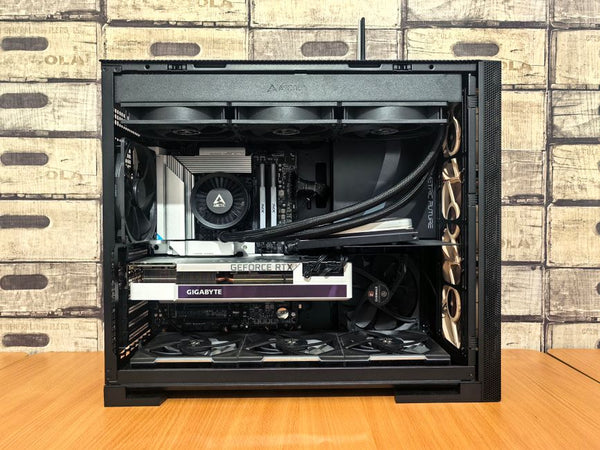
Picture this: you're about to drop serious cash on a custom gaming PC, maybe eyeing that sweet RTX 4070 Ti build that's been haunting your browser tabs for weeks. Then you read that Japan just deployed combat drones that cost $2,000 each. Cardboard drones. For actual warfare.
Wait, what?
The AirKamuy 150 isn't some joke project from a weekend maker space. These flat-packed, expendable combat drones are legitimate military hardware designed for swarm warfare missions. And they cost less than most mid-tier gaming PC builds I help customers configure at TieredUp Tech here in Orange, TX.
So here's the question that's been eating at me since I saw this story: if military engineers can build functional combat equipment for two grand, are we getting absolutely robbed on gaming hardware? Or is there something deeper going on here?
The Cardboard Revolution Nobody Saw Coming
Let's be real for a second. When you think "military drone," you're probably picturing something that costs more than a Tesla. The MQ-9 Reaper? That beast runs about $17 million per unit. Even smaller military drones typically start around $100,000.
But Japan said "nah, we're good" and went full DIY mode.
These AirKamuy 150s are literally made from cardboard. They ship flat-packed like IKEA furniture, can be assembled in the field, and they're designed to be thrown away after one mission. The whole point is disposability — you launch a swarm of these things, they complete their objective, and you don't care if they come back.
Honestly? That's kind of genius. Why spend millions on something that might get shot down when you can send 50 cheap ones instead?
Breaking Down the Economics
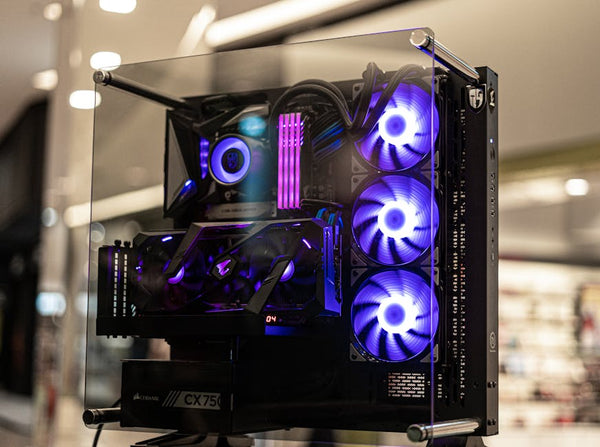
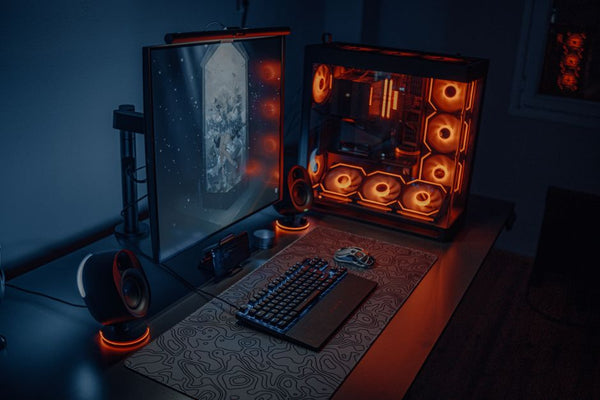
Here's where it gets wild. A decent gaming PC build these days? You're looking at $1,500 minimum for something that won't make you want to throw your controller through the monitor. Want 4K gaming at 60fps? That'll be $2,500, thanks.
So Japan's building combat-capable aircraft for less than what it costs to run Cyberpunk 2077 at max settings. That seems... off, right?
What Your Gaming PC Build Actually Buys You
But hold up before you start feeling totally ripped off by the gaming industry. These aren't exactly comparable purchases, and here's why.
Your gaming PC needs to last. Like, really last. You want that thing running flawlessly for 5-7 years minimum, pushing pixels through demanding games that haven't even been developed yet. Remember when the GTX 1060 launched in 2016? People are still gaming on those cards today. That's longevity you can't get from disposable military hardware.
The Japanese drones? They're designed for exactly one flight. Maybe two if you're lucky. They don't need to run the latest version of anything, they don't need RGB lighting (thank god), and they definitely don't need to handle thermal management for 8+ hour gaming sessions.
The Hidden Costs Nobody Talks About
I had a customer last month who was absolutely convinced he could build a solid gaming rig for $800. "I saw this video," he said, waving his phone around. "This guy built one for $600!"
Sure, you can. But what that video didn't mention was the used GPU that died three months later, the bargain-basement PSU that took half his system with it when it failed, or the fact that his "budget" build couldn't actually play the games he wanted at playable framerates.
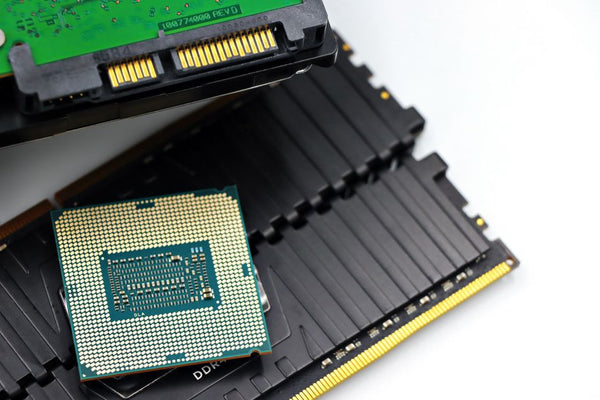
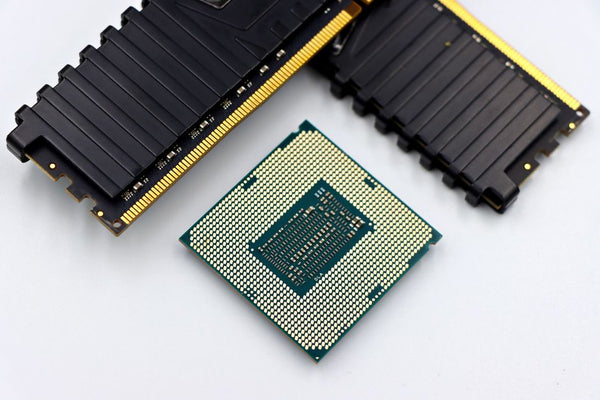
Quality components cost money. A good PSU that won't fry your system runs $100-150. Reliable RAM that won't cause random crashes? Another $80-120. These aren't glamorous purchases, but they're the difference between a PC that works and expensive electronic waste.
Military vs Gaming: Different Priorities, Different Costs
The thing about military engineering is that it's all about meeting specific requirements as cheaply as possible. Need to deliver a small payload 50 miles away? Great, here's your cardboard drone. It doesn't need to look pretty, last forever, or do anything beyond that one mission.
Gaming? That's a whole different beast.
We're asking our PCs to handle ray tracing, 4K textures, real-time physics calculations, and somehow stay quiet enough that we can hear enemy footsteps in Valorant. We want them to boot in under 10 seconds, load games instantly, and maybe mine some crypto on the side (don't @ me).
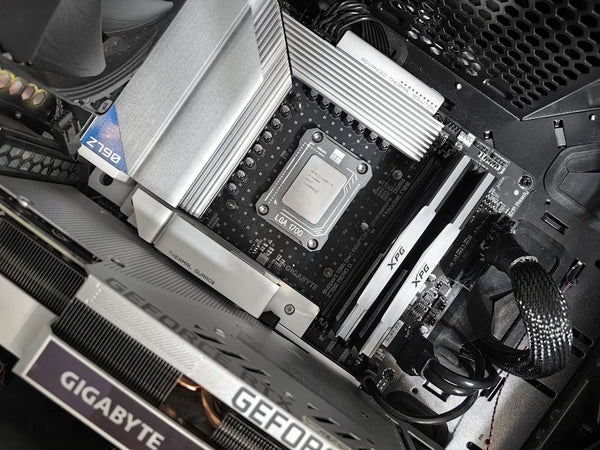
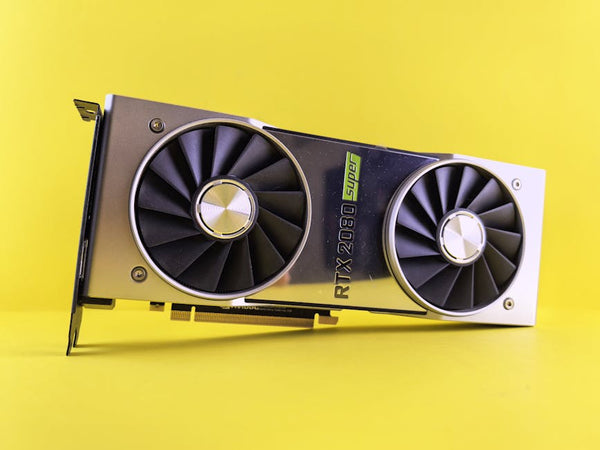
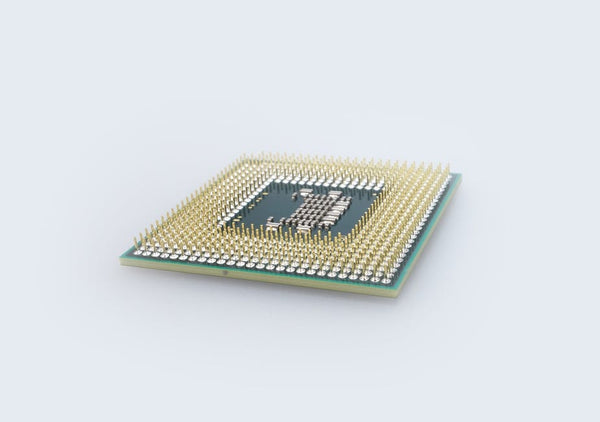
Hot take: your gaming PC is actually more technically sophisticated than these military drones. The GPU alone contains billions of transistors working in perfect harmony to render complex 3D worlds in real-time. That's not cheap to manufacture, and it's definitely not disposable.
The Value Question That Keeps Me Up
But here's where I get genuinely conflicted. Are we paying fair prices for gaming hardware, or are we just accepting inflated costs because we're enthusiasts?
When I see people dropping $1,200 on an RTX 4080, part of me thinks "yeah, that's cutting-edge tech." But another part remembers when high-end graphics cards cost $500, not four digits. Have we normalized paying premium prices for what should be mainstream hardware?
Personally, I think the answer is somewhere in the middle. Yes, modern graphics cards are incredibly sophisticated. But also yes, NVIDIA's profit margins on these things are absolutely bonkers. They're charging premium prices because they can, not because they have to.
Building Smart vs Building Cheap
The Japanese drone story actually reinforces something I tell every customer: build for your actual needs, not your fantasy ones.
Those military engineers didn't try to build the world's most advanced drone. They built exactly what they needed for the mission at hand. No more, no less.
How many times have I watched someone spend $3,000 on a PC to play... League of Legends and watch YouTube? More than I care to count. You don't need a 4090 to run games from 2015, just like Japan doesn't need million-dollar drones for disposable missions.
Start with common-tier builds starting under $800 if you're mainly playing esports titles or older games. You can always upgrade later. That's literally the whole point of PC gaming — modularity.
The Real Lesson Here
The cardboard drone story isn't really about military tech being cheap. It's about purpose-built engineering being efficient.
When you're configuring a BitCrate Custom Gaming PC, think like those Japanese engineers. What do you actually need this machine to do? Are you building for competitive esports, single-player adventures, content creation, or just browsing Reddit with 50 tabs open?
Match your specs to your real usage, not your aspirational usage. That's how you get actual value instead of just expensive bragging rights.
The Future is Disposable (Sometimes)
Ngl, there's something appealing about the disposable approach. Imagine if we could treat certain PC components the same way — cheap, replaceable, purpose-built for specific tasks.
We're already seeing hints of this with things like streaming devices and mini PCs. A $150 device that handles all your streaming needs? That's disposable tech done right. You don't need a $2,000 PC just to watch Netflix and browse Instagram.
Maybe the lesson isn't that gaming hardware is overpriced. Maybe it's that we need to get smarter about when we need the premium stuff and when cheap and cheerful will do the job.
Because at the end of the day, whether it's a cardboard combat drone or your next gaming rig, the best hardware is whatever gets the job done without breaking your bank account. Japan figured that out with their military tech. Time for gamers to catch up.




















Leave a Comment