


Why Anthropic's DRAM-less AI Chip Talks Could Signal GPU Market Relief
Bro, I was scrolling through tech news yesterday and nearly spit out my coffee when I saw this headline about Anthropic potentially buying DRAM-less inference chips from some UK startup called Fractile. On the surface? Sounds like typical Silicon Valley buzzword bingo. But ngl, this could actually be huge for anyone trying to build a decent gaming rig without selling a kidney.
Let me break this down from a builder's perspective. We're still dealing with memory prices that make me want to cry. DDR5 kits that should cost $150 are sitting at $300+ because everyone and their dog is trying to cram VRAM into AI accelerators. Fractile's SRAM-based architecture basically tells traditional memory requirements to sit down and shut up.
What the Hell is SRAM Architecture in AI Chips?
Okay, let's talk tech without the marketing fluff. Traditional AI inference chips need massive amounts of GDDR6 or HBM memory to function. Think RTX 4090 levels of VRAM consumption, but scaled up to data center proportions. Fractile's approach uses SRAM (Static Random Access Memory) directly on the chip die instead of relying on external memory modules.
SRAM is fast as hell. We're talking single-digit nanosecond access times versus the 10-15ns you get from DDR5. The trade-off? It's expensive and takes up more die space. But here's where it gets interesting — if you can eliminate the need for external memory entirely, you're cutting out a major cost and complexity factor.
Remember when cryptocurrency mining was eating every GPU in existence? Same principle here, except AI companies are the new crypto miners, hoarding memory chips like they're going out of style.
Why This Matters for Gaming Performance
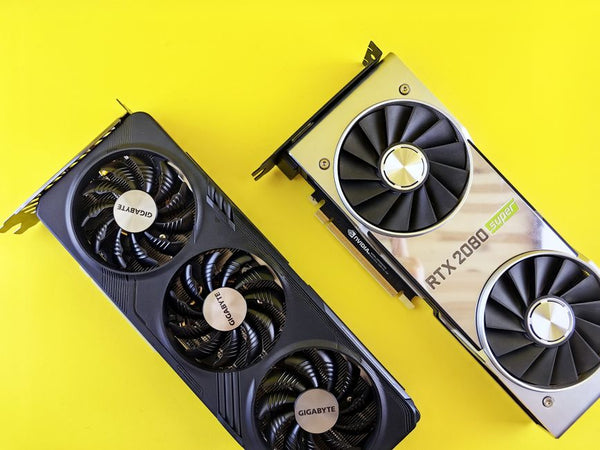
Here's my hot take: if Fractile can actually deliver on DRAM-less inference acceleration, it could free up significant memory supply for the consumer market. I've seen GPU manufacturers struggling to secure enough GDDR6X for their flagship cards. Hell, just last month at our shop here in Orange, TX, we had customers waiting three weeks for RTX 4080 Super cards because of memory shortages.
The ripple effect is real. When data centers stop competing for the same memory chips that go into your RTX 4070, prices naturally start to normalize. It's basic supply and demand, not rocket science.
GPU Review Reality Check: Current Memory Bottlenecks
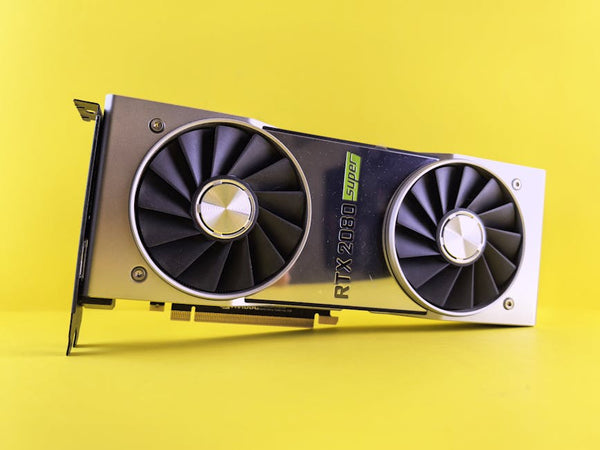
Let's be honest about the current state of GPU performance. The RTX 4060 Ti with 8GB VRAM is already showing its limitations at 1440p in newer titles. Hogwarts Legacy? You're looking at 45-50fps with high settings. Cyberpunk 2077 with RT enabled? Forget about it without DLSS cranked up.
Meanwhile, AI workloads are absolutely devouring high-bandwidth memory. A single H100 card uses 80GB of HBM3, which costs more than most people's entire PC build. When you multiply that across thousands of data center deployments, you start to understand why memory prices have gone absolutely mental.
"The memory shortage isn't just affecting AI companies — it's making decent gaming builds significantly more expensive for regular people who just want to play games without stuttering."
CPU Benchmark Implications
This SRAM approach might seem GPU-focused, but it has CPU implications too. Modern processors are already integrating more cache to reduce memory bandwidth requirements. AMD's X3D chips with their massive L3 cache prove this works for gaming workloads.
If Fractile's architecture proves viable, we might see similar approaches in consumer hardware. Imagine a GPU with enough on-die memory to handle most gaming scenarios without hitting VRAM limits. That's genuinely exciting for enthusiasts who are tired of playing the "is 8GB enough?" guessing game.
The Anthropic Deal: What It Actually Means
Anthropic isn't just any random AI company — they're behind Claude, which competes directly with ChatGPT. They're processing millions of inference requests daily, which requires serious computational horsepower. If they're willing to bet on unproven SRAM architecture, either they're desperate or they've seen something genuinely impressive.
Personally, I think it's a bit of both. The current AI inference market is broken from a cost perspective. Companies are paying premium prices for memory-heavy accelerators that spend most of their time moving data around rather than actually computing. Fractile's approach could be the reset button the industry needs.
But here's where I'm genuinely uncertain: can SRAM scale to handle the massive model sizes we're seeing today? GPT-4 has 175 billion parameters. That's a lot of data to fit on-chip, even with clever compression techniques.
Gaming Market Spillover Effects
The thing about technology is that innovations rarely stay contained in their original market. PCIe 5.0 was developed for data centers, but now it's in every enthusiast motherboard. DirectStorage came from console optimization but benefits PC gamers.
If Fractile's SRAM approach works for AI inference, graphics card manufacturers will definitely explore similar architectures for gaming GPUs. Imagine an RTX 5080 that doesn't need 16GB of GDDR7 because it has enough intelligent on-chip memory management. Build your custom gaming PC with BitCrate and you'll appreciate not having to budget an extra $200 for adequate VRAM.
The performance implications could be massive. No more texture pop-in because assets are stored in lightning-fast SRAM. No more stuttering when VRAM fills up because the memory hierarchy is completely redesigned.
Reality Check: Hype vs. Substance
Look, I've seen plenty of "revolutionary" chip architectures that ended up being vaporware. Remember when memristors were going to change everything? How about those photonic processors that were supposed to eliminate the need for traditional silicon?
Fractile is a startup, which means they're probably burning through funding faster than an RTX 4090 burns through power. Early talks with Anthropic doesn't mean anything concrete will happen. Companies have these exploratory conversations all the time without signing actual purchase agreements.
That said, the timing makes sense. Memory prices are genuinely insane right now, and AI companies are feeling the pressure. If someone can offer a viable alternative that reduces dependence on traditional memory architectures, there's definitely a market for it.
What This Could Mean Long-Term
Assuming Fractile isn't just another Silicon Valley fever dream, we might be looking at a fundamental shift in how we think about computing architecture. Instead of having separate CPU, GPU, and memory components, everything becomes more integrated and specialized.
For gaming, this could mean GPUs that adapt their memory allocation dynamically based on workload. Ray tracing demanding more temporary storage? The chip reorganizes itself automatically. Texture streaming requiring high bandwidth? Different parts of the SRAM activate to handle the load.
The next five years are going to be wild for hardware enthusiasts. Between AI driving innovation and gamers demanding better price-to-performance ratios, we're entering an era where traditional architectures might finally get the shake-up they desperately need. Whether Fractile succeeds or not, they're asking the right questions about memory efficiency.
Now if only someone could figure out how to make 32GB DDR5 kits cost less than a used car, we'd really be getting somewhere.











Leave a Comment