


PC Components Teardown Gone Wrong: Why Your Processor Isn't a Thanksgiving Turkey
So The Hackinator just decided to delid a perfectly good Intel Xeon Silver 4110 with a blowtorch and hunting knife on a wood chopping block. I'm not kidding. This actually happened, and honestly? It's the kind of tech content that makes me want to hide under my desk and pretend I don't know anything about PC components.
Look, I get it. We've all been there — staring at expensive gaming hardware wondering what's actually inside those little metal boxes. But there's a difference between curiosity and straight-up processor murder, and this video crosses that line faster than a speedrunner breaking a world record.
When "Creative Problem Solving" Goes Horribly Wrong
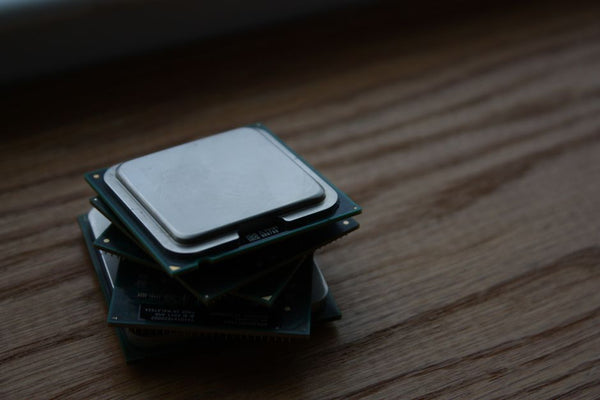
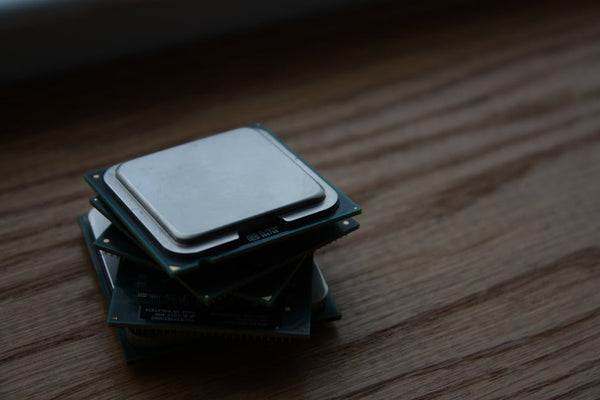
Let me paint you a picture. You've got a $400+ Xeon Silver 4110 — that's server-grade silicon we're talking about here. This isn't some old Pentium 4 you found in your garage. The Hackinator apparently thought the best way to remove the integrated heat spreader was to treat it like he's preparing dinner for Paul Bunyan.
The blowtorch came out first. Because nothing says "precision electronics work" like open flames near delicate computer parts, right? Then came the hunting knife on a wooden cutting board, as if this poor processor was about to become the main course at some twisted tech barbecue.
Personally, I think this represents everything wrong with viral tech content. Sure, it gets views, but it's teaching people absolutely terrible habits when it comes to handling gaming hardware. I've seen too many customers at our shop in Orange, TX bring in components they've accidentally destroyed trying to copy YouTube stunts.
The Real Cost of Bad PC Component Handling
Here's what actually happens when you treat your processor like a piece of firewood. The Xeon Silver 4110 has 8 cores running at 2.1GHz base clock — that's serious computing power right there. These chips are designed for enterprise workloads, not amateur hour with kitchen utensils.
When you apply excessive heat with a blowtorch, you're not just removing the heat spreader. You're potentially:
- Damaging the microscopic connections between the die and substrate
- Warping the PCB due to uneven thermal expansion
- Destroying the delicate gold traces that carry signals
- Creating hot spots that permanently alter the silicon structure
And that hunting knife? Don't even get me started. The amount of force required to cut through thermal interface material and adhesive could easily crack the die itself. We're talking about silicon wafers that are thinner than a human hair in some areas.
What Actually Works for Processor Modification
If you absolutely must delid a processor (and honestly, ask yourself why first), there are proper tools designed for this exact purpose. The Rockit Cool delid kits exist for a reason. They apply controlled pressure at specific points while maintaining safe temperatures.
Real talk though — why are we even doing this? Modern processors already have pretty decent thermal performance out of the box. The gains from delidding are usually minimal unless you're doing extreme overclocking that voids your warranty anyway.
I remember helping a customer last month who wanted to delid his brand new Ryzen 7 because he saw it in a video. We talked through the actual temperature differences he might see (maybe 3-5°C under load) versus the risk of destroying a $300 processor. He decided to invest in better case airflow instead. Smart move.
The YouTube Problem in PC Building
This whole situation highlights a bigger issue in tech content creation. When did we decide that destroying expensive hardware was entertainment? The Xeon Silver 4110 isn't just any old chip — it's designed for serious workloads in data centers and workstations.
Hot take: Content creators who destroy functional hardware for views are part of the problem with component pricing and availability. Every processor sacrificed for a viral moment is one less unit available for someone who actually needs it for their build.
But here's where I might be wrong — maybe there's educational value in seeing what's inside these chips? The die shots can be genuinely interesting for understanding how modern semiconductors work. I'm just not convinced the ends justify the means when you're using power tools meant for lumber.
Better Ways to Satisfy Your Tech Curiosity
Want to see inside processors without the destruction? There are already plenty of professional die shots available online. Companies like TechInsights do this stuff properly with specialized equipment that doesn't involve Home Depot tools.
You could also check out older, already-dead hardware from recycling centers. At least then you're not destroying something that could've had a productive second life in someone's gaming rig or workstation.
Or better yet — build your custom gaming PC with BitCrate instead of taking apart perfectly good components. There's something to be said for creation over destruction, you know?
The Real Lesson Here
Look, I'm all for understanding how technology works. That curiosity is what got me into this industry in the first place. But there's a difference between educational teardowns and what basically amounts to electronic vandalism.
The Hackinator's stunt might get clicks, but it's not teaching anyone useful skills for PC building or repair. If anything, it's normalizing dangerous practices that could lead to expensive mistakes for viewers who try to replicate what they see.
Gaming hardware is already expensive enough without people destroying it for content. That Xeon could've powered someone's home lab, handled video encoding workloads, or served as the brain for a small business server. Instead, it became a casualty in the content creation wars.
Next time someone suggests using a blowtorch on your PC components, maybe suggest they stick to cooking instead. Your processor will thank you, and so will your wallet.


















Leave a Comment