


This Bitcoin-Mining Filament Dryer Is Actually Genius (And Here's Why You Need One)
So there I was, scrolling through tech news this morning when I stumbled across something that made me do a double-take. An inventor just showcased a 3D printer filament dryer that mines Bitcoin while it dries your PETG. No joke. This thing pulls 6 TH/s at 140W and basically pays you to keep your filament crispy.
Honestly, this is the kind of gaming technology mashup I've been waiting for. It's like finding a Magic: The Gathering card that actually generates mana in real life.
Why Bitcoin-Mining Filament Dryers Actually Make Perfect Sense
Think about it for a second. Your typical filament dryer sits there for hours, maybe days, slowly heating your PLA+ or PETG to remove moisture. That's dead time. Wasted opportunity.
This inventor figured out what we should've realized years ago — mining generates heat as a byproduct, and filament needs consistent, gentle heat to dry properly. It's symbiotic efficiency at its finest. Your standard ASIC miner generates tons of waste heat that usually gets pumped straight into your room (ask me how I know). Here, that "waste" heat becomes the primary feature.
The specs are actually solid too. 6 TH/s might not sound like much compared to industrial mining operations, but for a hobbyist setup? That's respectable hashrate for something that's essentially a side hustle appliance.
Power Efficiency That Would Make a GTX 1650 Jealous
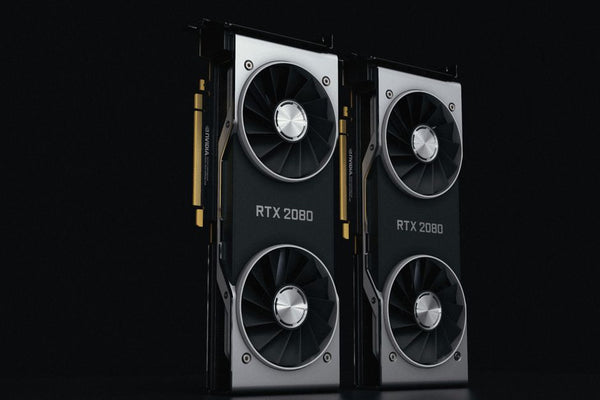
At 140W, this thing sips power like a mid-range graphics card. For comparison, my old RTX 3060 Ti pulls about 200W under full gaming load, and it definitely doesn't dry filament or mine crypto while I'm fragging noobs in Valorant.
Here's the math that gets interesting. Bitcoin's current price means 6 TH/s generates roughly $2-4 per month depending on network difficulty and power costs. Not retirement money, but it basically covers the electricity for running your printer. Maybe even pays for that next roll of Prusament.
Working at TieredUp Tech here in Orange, TX, I've seen plenty of customers trying to optimize their setups for maximum bang-per-buck. This feels like that same energy, just applied to 3D printing instead of used gaming desktops.
The Hobbyist Mining Renaissance Nobody Saw Coming
This filament dryer joins what the inventor calls their "hobbyist-focused miner lineup." Apparently there's also a Bitcoin-mining 3D printer in development. We're witnessing the birth of a new category: functional cryptocurrency hardware that actually does useful stuff while mining.
Remember when everyone said GPU mining was dead after Ethereum's merge? Well, these devices prove innovation doesn't stop just because one coin switches consensus mechanisms. Bitcoin's SHA-256 algorithm runs perfectly fine on purpose-built ASICs, especially when those ASICs are designed to multitask.
Hot take: This is way smarter than most of the "Web3" garbage we've seen over the past few years. Instead of trying to blockchain-ify everything, this inventor just asked "what if mining hardware was actually useful for something else?"
Dual-Purpose Hardware Done Right
The beauty of this approach lies in the execution. Most combo devices suck at both functions they're trying to serve. Gaming laptops that overheat. All-in-one printers that scan poorly and print worse. RGB everything that costs extra but adds zero performance.
This filament dryer reverses that trend. Mining generates heat naturally. Filament needs consistent heat to dry properly. One plus one equals two, not some janky compromise that does neither task well.
I'm genuinely curious about the temperature control system though. Filament drying is pretty finicky — PLA wants around 40-50°C, while PETG needs 65-70°C, and ABS demands 80-90°C. Can the mining hardware adjust its heat output for different materials? Or does it maintain one temperature and let you adjust exposure time?
What This Means for DIY Enthusiasts
If you're already into 3D printing, this is a no-brainer purchase consideration. Your filament gets properly dried (which honestly most people skip and then wonder why their prints look stringy), and you earn a few bucks monthly in Bitcoin. Win-win.
For Bitcoin mining enthusiasts, it's an entry point that doesn't require dedicating space to pure mining hardware. Your significant other can't complain about "another mining rig" when it's literally improving your 3D printing workflow.
The real question: does this signal a trend toward more purposeful mining hardware? What's next — mining rigs that heat water? Mine crypto while dehydrating food?
Personally, I think we'll see more innovations like this. The days of massive mining farms dominating everything are probably numbered anyway. Distributed mining using functional hardware makes way more sense for most people.
Pricing and Availability Reality Check
Here's where things get murky. The inventor "showcased" this device, but I haven't seen concrete pricing or availability details yet. That usually means we're still in prototype phase, which could mean months or years before you can actually buy one.
Given the complexity of integrating ASIC mining hardware with precise temperature control, I'd guess this thing won't be cheap. Probably $300-600 range if I had to bet. That's roughly what you'd pay for a decent standalone filament dryer plus entry-level USB ASIC miner bought separately.
But honestly? If the execution is solid, that price point makes sense. You're essentially getting two devices in one, with better efficiency than running them separately.
The Bigger Picture: Functional Crypto Hardware
This filament dryer represents something bigger than just another 3D printing accessory. It's proof that crypto hardware doesn't have to be single-purpose space heaters that only benefit mining operations.
Think about all the other applications where waste heat could be useful. Growing plants. Warming water. Drying herbs or food. Even just supplemental room heating in winter. Why hasn't anyone else thought of this before?
Maybe because most crypto projects focus on speculative trading rather than practical applications. This inventor clearly approached the problem differently: "I need to dry filament anyway, so why not earn crypto while doing it?"
That's the kind of practical thinking that actually moves technology forward. Not trying to revolutionize everything, just making existing processes more efficient and profitable.
The success of this device will probably determine whether we see more functional mining hardware in the future. If it works well and sells decent numbers, expect copycats and variations within a year. If it flops, this might remain a cool one-off prototype.
Either way, I'm here for the innovation. 3D printing and crypto mining finally found their perfect match, and honestly, it's about time. Now I just need to figure out if my current filament storage setup can handle the upgrade when these finally hit the market.












Leave a Comment