


Pre-Stuxnet Cyber Warfare and Your Gaming PC Build: Why Ancient Attack Vectors Still Matter
Building a custom gaming PC in 2024 isn't just about picking the fastest GPU or most RGB-laden motherboard. It's about understanding that the same precision engineering principles that made decades-old cyber weapons like Fast16 so terrifying are exactly what make modern gaming rigs vulnerable today.
Let me blow your mind. Security researchers just uncovered Fast16, a cyber-sabotage platform that was targeting nuclear reactors and dam control systems years before Stuxnet made headlines. We're talking pre-2010 here. While gamers were still arguing about whether the GTX 480 was worth its furnace-level heat output, nation-state actors were already perfecting attacks on industrial control systems.
Why should you care about ancient malware when building your gaming rig?
The TCG Parallel: Rare Cards and Rare Vulnerabilities
Think about it like this. In Magic: The Gathering, some of the most broken cards were printed decades ago. Black Lotus from 1993 still warps entire formats today. Fast16 is the cyber equivalent — an old, forgotten tool that's still relevant because the fundamental principles haven't changed.
Modern gaming PC components use similar precision control systems. Your high-end motherboard's voltage regulation modules? They're running microcontrollers with embedded software that could theoretically be compromised using similar attack vectors. Your custom loop's pump controller, your RGB ecosystem, even your mechanical keyboard's firmware — all potential entry points.
When I was helping a customer at our shop in Orange, TX last month configure their BitCrate build, they asked about security. Most people think antivirus software is enough. Ngl, that's like bringing a butter knife to a gunfight against nation-state actors.
What Fast16 Teaches Us About Modern Threats
Fast16 specifically targeted high-precision civil engineering software. The NSA apparently classified it as "nothing to see here" for years. Classic move. But here's what's actually terrifying: the attack methodology focused on corrupting calculations in real-time without detection.
Your gaming PC handles thousands of precision calculations per second. Frame timing calculations. Thermal management algorithms. Memory timing adjustments. What happens when those get subtly corrupted?
Honestly, most gamers never consider this threat model, but they should.
Building Gaming PC Security Into Your Custom Gaming PC
Here's my hot take: every gaming PC build guide should include security considerations from day one, not as an afterthought. You wouldn't buy a rare Charizard and leave it unsleeved, right?
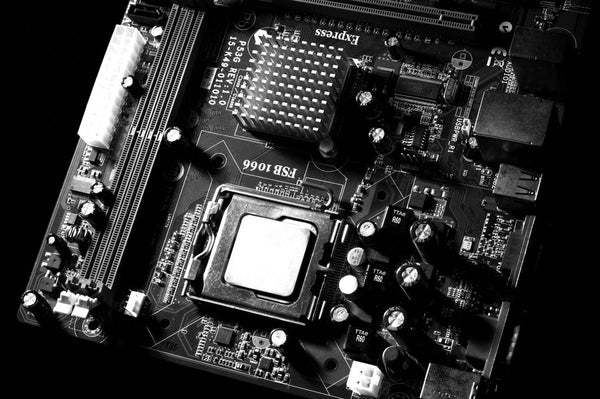
Start with your motherboard BIOS. Intel's ME (Management Engine) and AMD's PSP (Platform Security Processor) are basically always-on computers within your computer. They have network access. They run below your operating system. They're impossible to fully disable on modern hardware.
Scary stuff? Absolutely.
But here's what you can do. Choose motherboards from manufacturers with strong security track records. ASUS has been pretty solid about BIOS security updates. MSI's track record is... let's say "mixed." Gigabyte had that whole SIV driver disaster in 2021 that basically gave kernel-level access to anyone who asked nicely.
Component Selection With Security In Mind
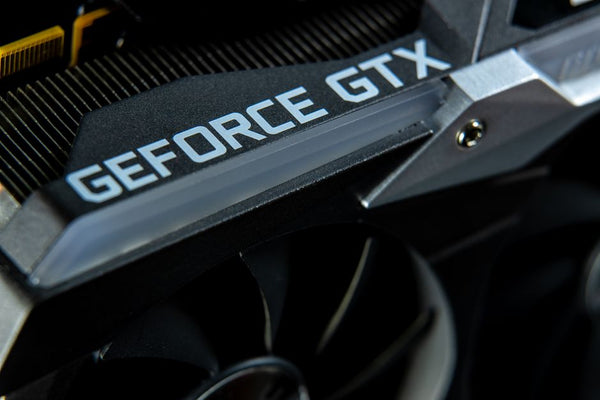
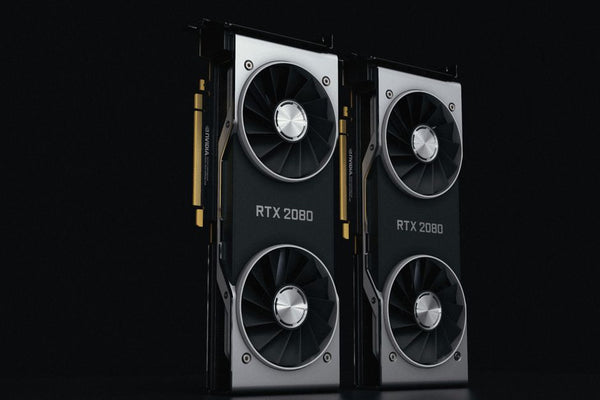
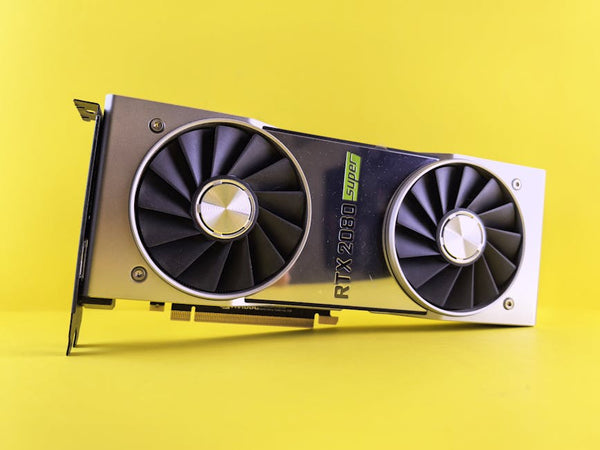
Your GPU choice matters too. NVIDIA's drivers have historically been more secure than AMD's, though both have had their moments. Remember when AMD's graphics drivers had that privilege escalation vulnerability in 2019? Yeah, not great.
Storage is where things get really interesting. Modern NVMe drives have their own controllers running embedded operating systems. Samsung's 980 Pro, WD's SN850X — these aren't just storage devices anymore. They're tiny computers with their own attack surfaces.
Personally, I think the security implications of direct storage access are massively underestimated by the gaming community.
Network cards present another vector. Realtek's ethernet controllers have had multiple remote code execution vulnerabilities. Intel's networking hardware is generally more secure, but costs more. It's like choosing between budget commons and premium rares in your deck — you get what you pay for.
Practical Security Measures That Don't Kill Performance
Let's be real. Nobody wants security measures that tank their frame rates or add input lag. That's like playing control in a aggro meta — technically possible, but why would you?
Enable Secure Boot properly. Most people either leave it disabled or misconfigure it. When set up correctly, it prevents bootkit malware that could compromise your system before Windows even loads.
Use Windows Defender with controlled folder access enabled. I know, I know — "but muh third-party antivirus!" Trust me on this one. Microsoft's built-in solution is actually pretty solid these days, and it won't conflict with your game's anti-cheat systems.
Consider a hardware security key for important accounts. YubiKey 5 series costs about the same as a decent gaming mouse and provides vastly better security than SMS-based two-factor authentication.
Pro tip: If you're serious about security without compromising performance, build your custom gaming PC with BitCrate and specifically request security-focused component selection during configuration.
The Performance vs Security Balance
Here's where it gets nuanced. Some security measures genuinely impact gaming performance. Intel's CET (Control-flow Enforcement Technology) can cause stuttering in certain games. Microsoft's VBS (Virtualization-based Security) tanks performance by 5-15% in many titles.
You've got to make informed trade-offs. It's like building a Magic deck — perfect security is like a perfect control deck. Theoretically possible, practically unusable because it's too slow.
My recommendation? Enable security features that don't meaningfully impact performance, and carefully evaluate others based on your threat model. Are you a competitive esports player streaming to thousands? Different considerations than someone who just wants to play single-player games safely.
Looking Forward: What Fast16 Reveals About Future Threats
The really unsettling thing about Fast16 being revealed now is what it implies about current, undisclosed capabilities. If this tool was operational years before Stuxnet, what are nation-state actors running today?
Gaming hardware is becoming increasingly connected. Your motherboard's network stack, your GPU's streaming capabilities, your peripherals' cloud sync features — each connection is a potential entry point.
The good news? Most of us aren't high-value targets for sophisticated nation-state actors. The bad news? These techniques inevitably trickle down to common cybercriminals who'll use them for cryptocurrency theft, credential harvesting, or just general chaos.
Building a secure gaming PC isn't about paranoia. It's about understanding that the same precision and attention to detail you put into optimizing your frame rates should extend to protecting your investment and personal data. Because honestly, losing your Steam account with 500+ games hurts way more than dropping a few FPS to security measures.
The threat landscape keeps evolving. Your security posture should too.














Leave a Comment