


Jensen's China Reality Check: What Nvidia's Export Struggles Mean for Your Next GPU Build
Ever watched a company CEO basically admit their entire strategy got nuked? That's exactly what happened when Jensen Huang dropped some serious real talk about Nvidia's China situation. The leather jacket legend himself said they now have "zero percent" market share in China thanks to US export restrictions, and honestly? The ripple effects are already hitting gamers and builders way harder than most people realize.
I remember when those first export restrictions hit back in 2022. Customers at our shop were confused as hell about why certain GPU prices were going bonkers. "Sarah, why can't I just buy this RTX 4090?" became my least favorite question to answer.
The Real Tech News Behind Jensen's Admission
Let's break down what actually happened here. Jensen didn't sugarcoat it — US export policies have "largely backfired," according to the man who literally built the modern GPU empire. China was Nvidia's second-largest market, pulling in around $5.5 billion annually before sanctions kicked in. That's not pocket change. That's "fund the next three generations of RTX cards" money.
But here's where it gets spicy: China didn't just sit around waiting for American chips to come back. They've been building their own gaming technology infrastructure faster than anyone expected. Companies like Moore Threads and Biren Technology aren't exactly household names yet, but they're pushing silicon that's getting dangerously close to competitive.
What This Means for GPU Pricing Right Now
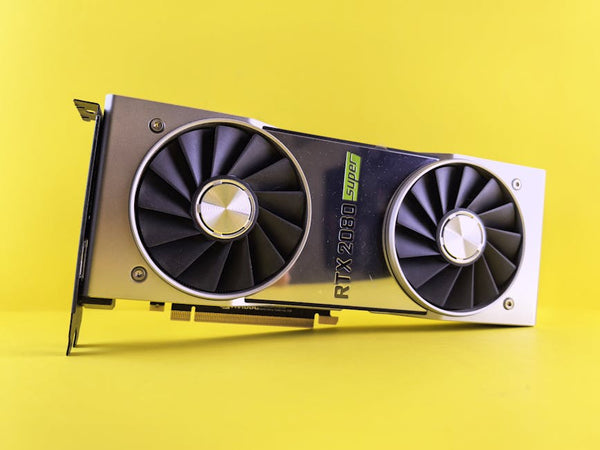
Think losing China as a market would make GPUs cheaper for us? Think again. Nvidia's lost revenue has to come from somewhere, and guess who's picking up the tab? That RTX 4080 that should've been $999 is sitting pretty at $1199 because Nvidia needs to maintain margins somehow.
Personally, I think this whole export restriction mess has been a masterclass in shooting yourself in the foot. Sure, we're "protecting national security," but we're also handing China every incentive to build competitive alternatives. Does that sound like winning to you?
The gaming technology landscape is shifting faster than most people realize. When I'm helping customers shop GPUs at TieredUp Tech here in Orange, TX, the conversation isn't just about CUDA cores anymore. It's about supply chains, geopolitics, and whether that $800 RTX 4070 Ti is actually worth it when AMD's breathing down Nvidia's neck.
China's GPU Independence Play
Here's what's actually happening while everyone's arguing about trade policy. Chinese companies have been reverse-engineering gaming silicon like their lives depend on it. And tbh? They're getting scary good at it.
Take the MTT S80 from Moore Threads. Six months ago, nobody outside China knew this thing existed. Now it's running games at 1080p with respectable frame rates. Not RTX 4090 levels, obviously, but good enough to make Jensen sweat a little.
The wild part? These aren't just knockoff designs. China's investing billions in indigenous GPU development. They're building entire ecosystems around domestic silicon. Software support, driver optimization, developer tools — the whole nine yards.
AMD's Golden Opportunity
While Nvidia's locked out of China, guess who's having a field day? AMD's RX 7000 series cards are flying off shelves in Chinese markets. The Radeon RX 7800 XT, which struggles to get love in American gaming circles, is suddenly looking like the smart choice for Chinese builders who want current-gen performance without geopolitical drama.
This creates a weird dynamic where AMD gets real-world testing and market feedback from the world's largest gaming population, while Nvidia's stuck optimizing for markets they already dominate. That's not exactly a recipe for innovation.
The Backfire Effect Jensen's Talking About
When Jensen says export policies have "backfired," he's not just complaining about lost revenue. He's pointing to something way more concerning: America potentially losing its edge in AI and gaming technology development.
China's not just buying different GPUs now. They're building entirely separate technological ecosystems. Different APIs, different software stacks, different optimization approaches. That means when Chinese innovations happen — and they will — American companies might find themselves on the outside looking in.
Hot take: We've basically created a parallel tech universe where China develops solutions we can't access, and they develop alternatives to our tech. That's not strategic competition. That's strategic isolation.
What About Future GPU Generations?
This is where things get murky, and honestly, I'm not sure anyone has the right answer. Nvidia's pouring resources into RTX 5000 series development, but they're doing it with one hand tied behind their back. No Chinese market feedback. No massive Chinese gaming datasets. No partnerships with Chinese AI companies pushing the envelope.
Meanwhile, Chinese GPU makers are learning from Nvidia's playbook while building their own innovations on top. Will they catch up to RTX 4090 performance? Maybe not this generation. But what about the one after that?
I've seen this movie before in other industries. Remember when American car companies thought Japanese automakers would never build anything competitive? How'd that work out?
The Gaming Reality Check
For us regular gamers and PC builders, this whole geopolitical chess match translates to some pretty concrete problems. GPU prices stay inflated because Nvidia's revenue streams got chopped. Innovation might slow down because competition just got fragmented across two separate ecosystems. And supply chains remain vulnerable to political decisions made by people who probably couldn't install a graphics driver if their lives depended on it.
The irony? Chinese gamers are still gaming. They're just doing it with different hardware now. American export restrictions didn't stop gaming in China — they just made it more expensive and complicated for everyone involved.
When I'm talking to customers about their next build, the conversation inevitably turns to whether they should wait for prices to normalize. My usual answer? Don't hold your breath. This isn't a temporary supply shock. This is the new reality of politically fragmented hardware markets.
Jensen's admission isn't just corporate honesty about a failed market strategy. It's a warning shot about what happens when technology and geopolitics collide. The question isn't whether America's export policies will succeed in containing Chinese tech development. They won't. The question is whether we're prepared for the world we're creating instead — one where the best gaming hardware might be developed in isolation from each other, making everyone's experience a little bit worse.













Leave a Comment