


Graphics Card Premium Tax: When Paying Extra Actually Makes Sense in Gaming Technology
You know that feeling when you're building a deck and you could grab the basic land version, but that foil full-art looks absolutely sick? Same energy when shopping for graphics cards, honestly. The tech news cycle constantly buzzes about GPU releases, but here's the real question nobody talks about enough: why does an RTX 4070 from Gainward cost $550 while the ASUS ROG Strix version runs $680?
Let me break this down like we're discussing card rarities. Both cards have the same GPU chip underneath – think of it as the same base creature with different artwork and flavor text.
The Real Differences Between Budget and Premium Graphics Cards
Strip away the marketing fluff. Here's what you're actually paying for.
Cooling Solutions That Actually Matter
Budget cards like Gainward, Palit, and Inno3D aren't trash – they're the reliable commons of the GPU world. Solid performance. Gets the job done. But they typically rock dual-fan cooling with basic heatsinks. Works fine for most people.
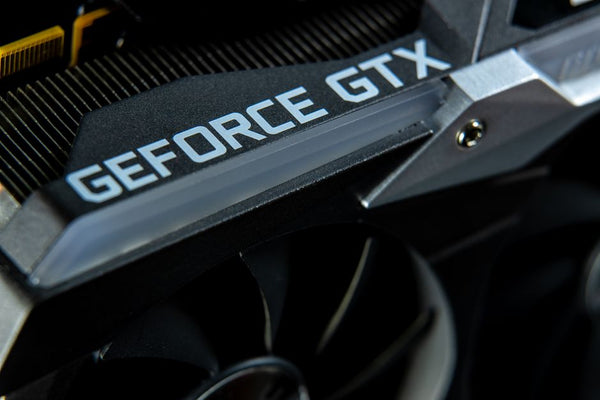
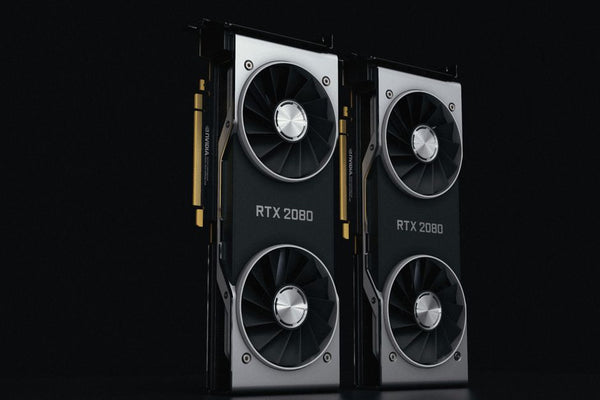
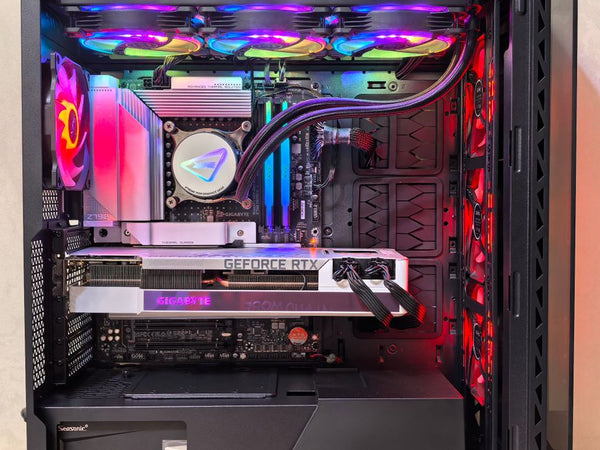
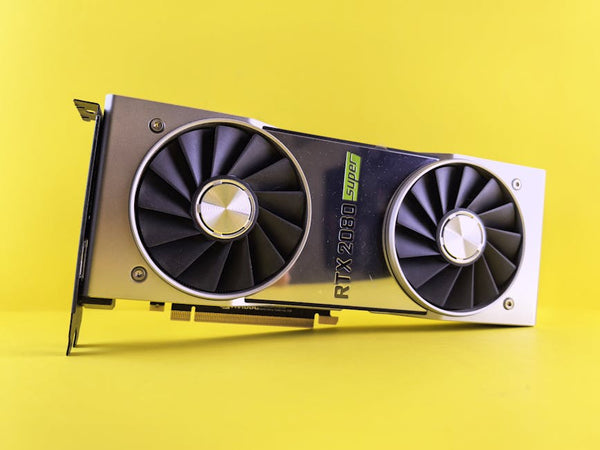
Premium brands? Different beast entirely. ASUS ROG cards pack triple-fan configurations with massive heatsinks and heat pipes that look like they belong in a Formula 1 car. MSI's Gaming X Trio series uses custom vapor chambers. Gigabyte's AORUS models feature RGB-lit cooling fans that double as case eye candy.
Temperature differences? Usually 5-10°C under load. That might not sound like much, but cooler temps mean less thermal throttling and longer lifespan. Plus, premium coolers run quieter – important if you're not blasting music during your Valorant sessions.
Build Quality and Component Selection
Here's where things get spicy. Premium cards often use higher-grade capacitors, better VRM designs, and more robust power delivery systems. Think of it like comparing a budget Standard deck to a fully foiled competitive build – same strategy, different execution quality.
Honestly, this matters way more than most people realize. Better components mean more stable overclocks, less voltage droop under heavy loads, and improved reliability over time. When I'm helping customers at our Orange, TX location configure builds, I always point out that a $100 premium might save you replacement costs three years down the road.
Aesthetics and RGB Tax
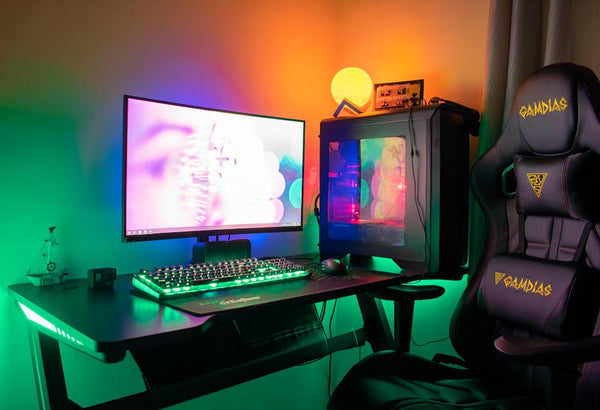
Let's be real – aesthetics matter. Anyone who says otherwise is lying or has never built a PC with a glass panel. Premium cards feature custom backplates, RGB lighting zones, and designs that actually complement your build theme.
Budget cards? Basic black shrouds with minimal branding. Functional but boring. It's like running basic lands in your commander deck – technically correct but visually mid.
Performance Gaps: The Numbers Game
Hot take: performance differences between budget and premium versions of the same GPU are smaller than you think. We're talking 3-7% in most scenarios. An RTX 4060 is an RTX 4060, whether it's wearing Gainward clothes or MSI gaming gear.
But here's the nuance – factory overclocks do exist. Premium cards typically ship with higher boost clocks out of the box. Nothing dramatic, but measurable. Think 50-100MHz differences that translate to maybe 3-5 extra fps in games.
Real-world example: Palit RTX 4070 vs ASUS ROG Strix RTX 4070 in Cyberpunk 2077 at 1440p shows roughly 4fps difference (68fps vs 72fps average).
Worth $130? Depends on your priorities.
Overclocking Headroom Reality Check
Premium cards typically handle manual overclocking better thanks to superior cooling and power delivery. But here's the thing – modern GPUs already boost themselves pretty aggressively. Manual OC gains are often minimal unless you're really pushing voltages and know what you're doing.
For casual gamers who don't want to mess with MSI Afterburner curves and stress testing? The factory OC on premium cards gives you most of those gains without the hassle.
When Premium Actually Makes Sense
Personally, I think premium GPU purchases make sense in specific situations. Not always, but these scenarios justify the extra cost:
Small form factor builds. Better cooling matters way more in ITX cases where airflow is already compromised. That premium triple-fan cooler isn't just aesthetics – it's functional necessity.
High refresh rate gaming at 1440p or 4K. When you're pushing 144Hz or higher, every frame matters. Those extra 5fps from better cooling and factory OCs can be the difference between smooth gameplay and occasional stutters.
Content creation workloads. Video rendering and streaming put sustained loads on GPUs that really test cooling solutions. Budget cards often throttle more aggressively during long renders.
Future-proofing considerations. Premium cards typically age better due to better cooling and component quality. That $100 extra might buy you an additional year before upgrade time.
The Aesthetic Factor
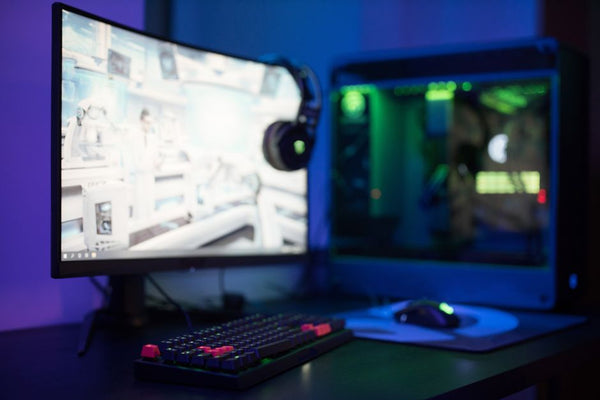
Look, if you're building a themed setup with custom cables, RGB everything, and a glass panel – budget GPU aesthetics can kill the whole vibe. Sometimes paying extra for looks is totally valid. Your build, your choice.
I've seen too many people spend $200 on RGB fans then cheap out on a basic GPU that looks like it came from 2015. Mixed signals, bro.
Brand Reputation Reality
Let's address the elephant in the room. Brands like ASUS, MSI, and EVGA (RIP) built reputations on quality and customer service. Gainward and Palit? Less familiar in North America but actually solid manufacturers with decent track records in other markets.
Warranty differences exist but aren't dramatic. Most brands offer 2-3 year coverage. Premium brands sometimes provide better RMA experiences, but honestly, GPU failure rates are pretty low across the board these days.
Customer support quality varies more by region than brand. What matters is buying from reputable retailers who handle warranty claims properly.
Gaming Technology Evolution Context
Modern gaming technology has reached a point where even budget GPU variants perform incredibly well. We're not in the dark ages of reference coolers that sounded like jet engines anymore. Budget cards from 2024 often outperform premium cards from just a few generations back.
That said, gaming is becoming more demanding. Ray tracing adoption, 4K gaming growth, and higher refresh rate displays all stress GPUs harder than traditional rasterization. Better cooling and power delivery help maintain consistent performance as games get more demanding.
The Sweet Spot Strategy
Here's my honest recommendation: aim for the middle tier of whatever GPU series you're targeting. Not the absolute cheapest variant, not the flagship premium model. Look for cards with decent cooling (triple fan preferred) from recognizable brands without paying the full RGB tax.
For most builders, especially those checking out Common-tier builds starting under $800, budget variants make perfect sense. Spend the saved money on a better CPU or more RAM instead.
But if aesthetics matter, you're building high-end, or you want maximum longevity? Premium can be worth it. Just don't expect magical performance gains.
The GPU market keeps evolving rapidly. New releases, price drops, and competition mean yesterday's premium features become tomorrow's standard. Makes timing these purchases even trickier than pulling that perfect combo piece from a booster pack. Check current Shop GPUs at TieredUp Tech pricing because this market changes faster than Magic's banned list updates.















Leave a Comment