


This Pokémon Store Has Found The Most Utterly Bizarre Way To Beat Scalpers
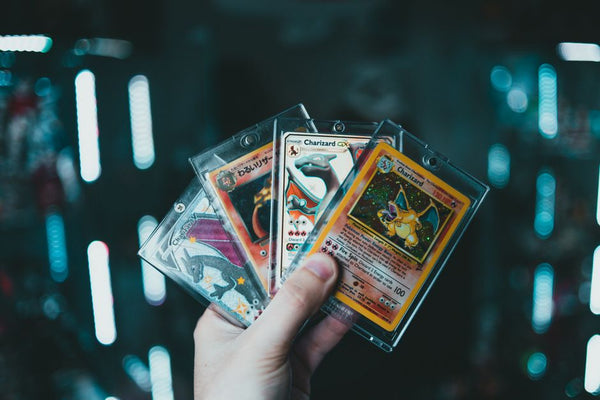
Japanese retailers are getting creative. Like, really creative. One Pokemon card shop in Japan just implemented what might be the most unconventional anti-scalper strategy I've ever seen – they're literally making customers take a test before they can buy premium trading card game products.
Yeah, you read that right. A freaking exam. To buy cardboard.
But here's the thing – it's actually working, and now I'm wondering if we've been thinking about scalping all wrong this entire time.
The Pokemon TCG Test That's Breaking The Internet
So here's what went down. This shop in Japan started noticing the same pattern we see everywhere – scalpers rolling up, buying every single booster box and premium set the second they hit shelves, then flipping them online for 200-300% markup. Sound familiar? If you've ever tried buying Pokemon TCG cards during a hype release, you know the pain.
Their solution? Pure genius or complete madness, depending on how you look at it.
Customers now have to pass a written test about Pokemon lore, card mechanics, and game rules before they can purchase high-demand products. We're talking questions about type effectiveness, evolution chains, even deep cuts about specific card interactions from different sets. The test isn't some joke either – it's comprehensive enough that casual scalpers can't just Google their way through it in five minutes.
Honestly, when I first heard about this, I laughed. Then I thought about it for like ten seconds and realized these people are operating on a completely different level.
Why Traditional Anti-Scalper Methods Keep Failing
Let's be real about something. Purchase limits don't work. Scalpers just bring friends, family members, random people they pay twenty bucks to stand in line. Online queues? Bots destroy those. Lottery systems? Still gameable if you know what you're doing.
I've watched this cycle play out with GPU launches, Pokemon sets, even trading cards at local shops. The scalpers always adapt faster than the countermeasures. It's like trying to patch an exploit in a competitive game – by the time you fix one method, they've found three new ones.
But testing for actual knowledge? That's a completely different approach. You can't bot your way through understanding why Psychic-type moves are super effective against Fighting-types, or explaining the difference between Pokemon-EX and Pokemon-GX mechanics.
The Scalper Psychology Problem
Here's what most anti-scalper strategies miss – they're trying to create friction through quantity limits or time barriers. But scalpers are literally in the business of dealing with friction. That's their whole thing. They'll wait in lines, manage multiple accounts, coordinate with other people. Time and effort? Not real barriers for someone making thousands flipping cards.
Knowledge barriers though? That's different.
Think about it from a scalper's perspective. You're running a business where profit margins depend on volume and speed. Learning the entire meta history of Pokemon TCG, memorizing card interactions, understanding competitive formats – that takes genuine time investment. Time you could spend scalping ten other products instead.
The Japanese shop essentially made scalping their products economically inefficient. Why study for hours to flip Pokemon cards when you could scalp sneakers or electronics with zero learning curve?
But Does This Actually Work Long-Term?
Okay, here's where I get a bit skeptical. This strategy works now because it's novel. Scalpers haven't adapted yet. But what happens when they do?
Professional scalping operations could definitely hire actual Pokemon players to take these tests. Or create study guides. Or even develop AI tools specifically for passing trading card game knowledge tests. The barrier isn't insurmountable – it's just economically inefficient right now.
That said, even if scalpers eventually adapt, this approach has already succeeded in one crucial way. It's shifted the conversation. Instead of "how do we limit purchases," shops are asking "how do we verify genuine customer intent?"
What This Means For Local Game Shops
Working at shops like TieredUp Tech here in Orange, TX, we see the scalping problem constantly. Pokemon releases, Magic sets, even Yu-Gi-Oh products – the same faces show up buying maximum quantities then disappearing until the next release.
Could we implement something similar? Maybe not a literal test, but definitely some form of community verification. What if shops required customers to demonstrate they actually play the games they're buying? Show me your deck. Talk strategy. Prove you're not just flipping product.
Hot take: I think more shops should try this approach, even in modified forms. Make scalpers work for it. The Pokemon community has been dealing with artificial scarcity for years while actual players can't find cards. Time to get creative.
The Competitive Gaming Angle
This whole situation reminds me of how competitive gaming communities naturally filter out casual participants through knowledge barriers. You can't fake your way through high-level Valorant or CS2 matches – the skill requirement creates organic gatekeeping.
Pokemon TCG has similar depth if you actually play competitively. Understanding prize card mechanics, energy acceleration strategies, meta deck compositions – this stuff takes time to learn properly. The Japanese shop is essentially treating their store like a competitive environment.
Personally, I think this is brilliant. Why shouldn't trading card game purchases require some demonstration of actual interest in the hobby?
The Bigger Picture Beyond Pokemon
This isn't just about Pokemon cards. This approach could work for any hobby product with deep community knowledge. Magic: The Gathering stores could test rules knowledge. Board game shops could require familiarity with mechanics. Even retro gaming stores could quiz customers on console history.
The key insight isn't the testing itself – it's using community gatekeeping as an anti-scalping mechanism. Scalpers succeed because they treat every product as identical inventory. But hobby communities aren't just buying products – they're participating in cultures with their own languages, histories, and knowledge bases.
Want to profit off our community? Learn our culture first.
Real Talk: Will This Spread?
Will American shops adopt this strategy? Probably not the literal testing approach – that feels very Japanese in its implementation. But the core concept of knowledge verification? I could see that taking off.
Imagine if Pokemon TCG at TieredUp Tech required customers to discuss deck strategies before buying premium products. Or if shops created informal "community member" verification systems based on actual participation in local events.
The logistics get tricky, sure. But the principle is sound – make scalping require genuine community investment.
Honestly, I'm here for any strategy that gets cards back into the hands of actual players. Whether that's through testing, community verification, or whatever weird solution comes next. The Japanese shop proved something important – there are still unexplored ways to fight scalping.
Now we just need more shops willing to get creative. The scalpers certainly aren't going to stop innovating – why should we?

































Leave a Comment