


Pokemon TCG Investing: Which Cards Actually Hold Their Value Long-Term?
So you're thinking about Pokemon TCG investing? Smart move, honestly. I've watched friends make bank on cards they pulled from $4 booster packs, and I've also seen people blow hundreds on cards that tanked harder than a failed GPU overclock. After building 50+ systems and watching the gaming market evolve, I can tell you one thing: the trading card game market operates on similar hype cycles to PC hardware, but with way more nostalgia involved.
Let me break this down for you. No bullshit marketing speak.
The Golden Rule of Pokemon TCG Card Investing
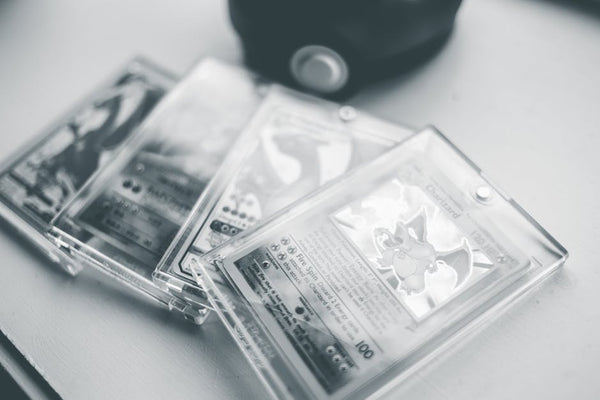
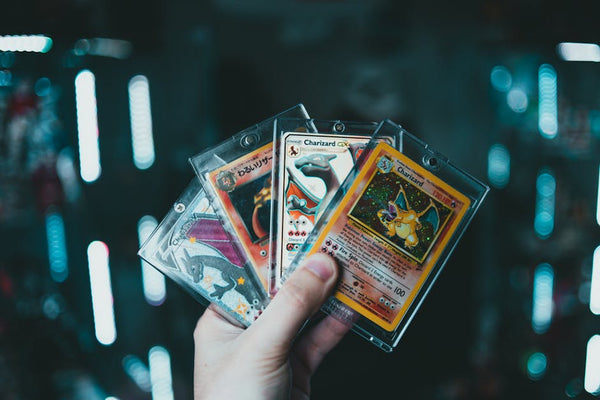
First things first: condition is everything. A PSA 10 Base Set Charizard? That's your RTX 4090 equivalent. A damaged one? More like a GTX 1050. The difference between a near-mint card and a gem-mint card can literally be thousands of dollars.
I learned this the hard way when I found my childhood cards in my parents' basement. Thought I was sitting on a goldmine until I realized my Charizard looked like it went through a paper shredder. Rookie mistake.
The market doesn't care about your emotional attachment to that card you carried in your pocket for six months in third grade. It cares about sharp corners, clean surfaces, and perfect centering. Period.
Base Set Cards That Actually Matter
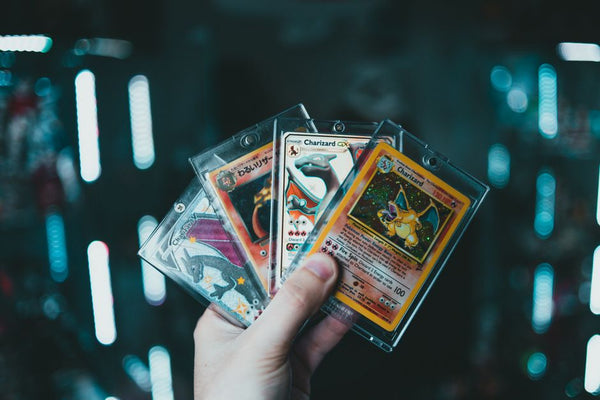
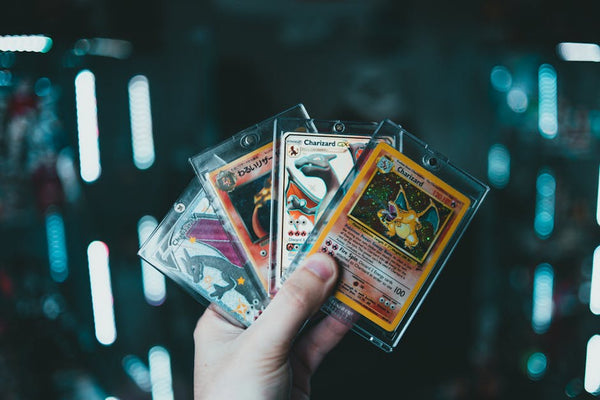
Everyone talks about Charizard. And yeah, Base Set Shadowless Charizard is the holy grail – PSA 10s selling for $350k+. But here's the thing: it's not the only card worth your attention.
Blastoise and Venusaur from the same set? Solid performers. Not Charizard money, but we're talking $10k-40k for pristine copies. The whole trio represents peak 90s nostalgia, and nostalgia drives this market harder than RGB lighting drives PC builds.
Hot take: Base Set 2 cards are criminally undervalued right now. Same iconic artwork, significantly lower prices. Sure, they're not "first edition" or shadowless, but the visual appeal is identical. Sometimes the market doesn't make perfect sense, bro.
The Pikachu Factor
Pikachu cards are weird. Some are worth nothing, others are worth house-money. The 1998 Pikachu Illustrator? That's your unicorn card – one sold for over $6 million. But your average Pikachu from random sets? Pretty much worthless.
The lesson here? Rarity and cultural significance trump everything else. A million different Pikachu cards exist, but only a handful have genuine scarcity combined with that nostalgic punch.
Modern Cards: Separating Hype from Value
Modern Pokemon cards are trickier territory. The print runs are massive compared to vintage stuff, which means finding genuinely rare cards is like finding a decently-priced GPU during the mining boom – possible, but you better know what you're looking for.
Personally, I think Japanese exclusive cards offer better long-term potential than most English releases. Lower print runs, different artwork, and the Japanese market takes card preservation seriously. We're talking about a culture that invented the concept of keeping trading cards in perfect condition.
Alternative art cards from recent sets like Brilliant Stars and Lost Origin? Some are performing well, but honestly, it's too early to tell which ones have staying power. The Charizard alt art from Brilliant Stars is pushing $400+ in PSA 10, but will it hold that value in five years? Nobody really knows.
The Grading Game
Here's where things get real: grading costs money, and not every card is worth grading. PSA charges $20-50+ per card depending on turnaround time and declared value. BGS is similar. You need to be confident a card will grade well AND that the graded value exceeds raw value plus grading costs.
I've seen people grade $10 cards hoping for a miracle. Don't be that person. Do the math first.
Pro tip: Cards with visible flaws aren't suddenly going to grade perfectly. That white edge isn't going away, and neither is that print line.
What Actually Drives Pokemon Card Values?
Nostalgia. Celebrity involvement. Social media hype. Sound familiar? It's basically the same forces that drive retro gaming hardware prices through the roof.
Logan Paul buying that $6 million Pikachu wasn't just a purchase – it was a marketing event that legitimized Pokemon cards as serious investments. Suddenly everyone's dad was digging through storage units looking for forgotten collections.
But here's the nuance: hype fades. Genuine scarcity doesn't. The cards that maintain value long-term combine both factors. They capture a specific moment in gaming culture AND exist in limited quantities.
The 1999-2000 era cards benefit from being the original Pokemon explosion. Kids who played Red/Blue on Game Boy are now adults with disposable income. That demographic timing is crucial for understanding why certain cards exploded in value around 2020-2021.
International Variations Matter
Japanese cards often hold value better than English equivalents. Why? Lower print runs and higher quality standards. The cardstock is different, the printing is crisper, and Japanese collectors are absolutely ruthless about condition.
Korean cards from the early 2000s? Criminally undervalued. The Pokemon TCG scene was smaller there, meaning genuinely rare cards that most Western collectors ignore completely.
Red Flags to Avoid
Unlimited Base Set cards claiming to be worth thousands? Nah. The market has spoken, and unlimited prints just don't command the same premiums as shadowless or first edition cards.
Fake cards are everywhere. If you're buying high-value cards without authentication, you're gambling. Period. The counterfeit quality has gotten scary good – I've seen fakes that fooled experienced collectors at first glance.
And please, for the love of all that's holy, don't buy graded cards from sketchy online sellers without doing your homework. Grade manipulation and cert number swapping are real problems.
Building a Realistic Investment Strategy
Diversification works here too. Don't put all your money on Charizard variants. Spread across different sets, different Pokemon, different eras.
Personally, I think focusing on PSA 9s offers better value than chasing PSA 10s. The price difference is often massive, but the visual difference? Minimal. Sometimes you're paying thousands extra for a slightly better corner that you can barely see.
Set a budget and stick to it. The Pokemon TCG market can be as addictive as opening booster packs, and I've seen people blow serious money chasing cards they can't afford.
Working at TieredUp Tech here in Orange, TX, I see similar patterns with PC hardware investing. People chase the latest, greatest components thinking they'll hold value, but usually the vintage stuff with genuine scarcity performs better long-term.
The Long View
Will Pokemon cards crash like crypto? Maybe. Will they maintain some value due to genuine cultural significance? Probably. The franchise isn't going anywhere, and neither is the nostalgia factor.
But remember: this isn't stocks or bonds. Card values can swing wildly based on social media trends, celebrity involvement, or just general market sentiment. Only invest what you can afford to lose.
The safest bet? Focus on cards you actually enjoy looking at. If the investment angle doesn't pan out, at least you own something that brings you joy. Unlike that cryptocurrency portfolio from 2021, quality Pokemon cards will always be tangible pieces of gaming history.
Want to check out our Pokemon TCG collection? We keep our inventory rotating with both vintage and modern cards, because honestly, half the fun is in the hunt itself.
The Pokemon TCG investing game rewards patience, research, and genuine appreciation for the hobby. Treat it like any other investment: do your homework, understand the risks, and don't bet the farm on cardboard. Even really, really cool cardboard featuring fire-breathing dragons.







Leave a Comment