


Pokemon TCG Investing: Which Cards Actually Hold Their Value Long-Term?
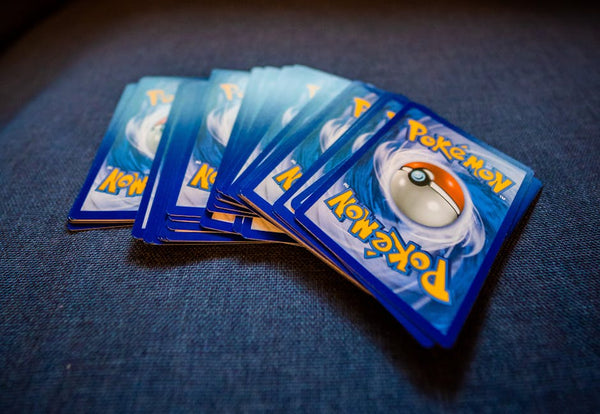
Let me be real with you right off the bat — Pokemon TCG investing isn't like building PCs where you can predict which GPU is gonna tank in price next year. I've been watching card values for over a decade now, and holy shit, the market is wild. One day a Charizard is worth your rent money, next month some kid finds a warehouse full of them and crashes the entire market.
But here's the thing. Some cards genuinely hold value like AMD stock in 2019. Others? Pure hype trash that'll leave you broke faster than buying Intel at launch prices.
Base Set Cards: The OG Investment Kings
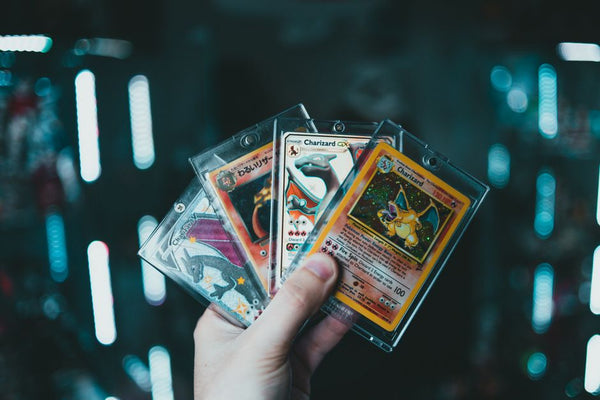
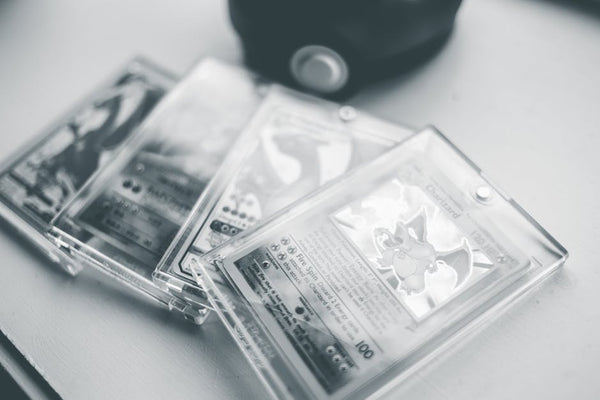
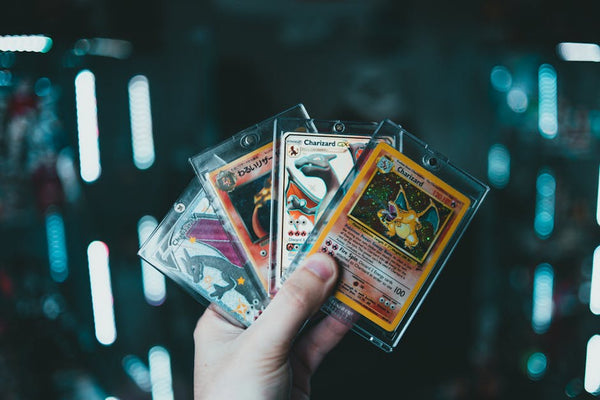
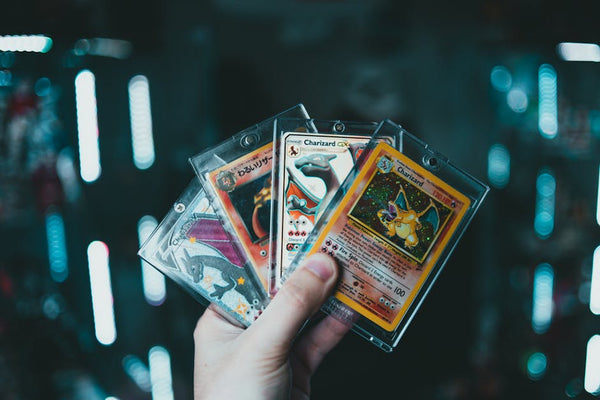
Base Set cards are basically the 9700K of Pokemon TCG — they're the standard everyone measures against. That shadowless Charizard everyone obsesses over? Yeah, it's expensive for a reason. We're talking $6,000+ for PSA 10 condition, and that's not even the crazy stuff.
Personally, I think Base Set Unlimited cards are where smart money goes. You get that nostalgic factor without paying shadowless premiums. A PSA 9 Base Set Charizard runs around $400-600, which honestly isn't terrible considering what these were going for in 2019.
The other Base Set heavy hitters worth watching:
- Blastoise — solid $150-300 range in good condition
- Venusaur — undervalued compared to the other starters
- Alakazam — sleeper pick that's been climbing steady
But don't sleep on the trainer cards either. Professor Oak in PSA 10? That's a $200+ card that most people ignore because it's "just a trainer." Missing those plays is how you end up with a collection worth less than your graphics card.
Japanese Cards Hit Different
Hot take: Japanese Pokemon cards are better investments than English cards 90% of the time. The print quality is superior, the market is more stable, and Japanese collectors actually respect their cards instead of shoving them in backpacks like we did as kids.
Japanese Base Set No Rarity cards are genuinely undervalued right now. While everyone's fighting over English shadowless, you can grab Japanese Charizard for literally half the price. Makes zero sense to me, but whatever — more opportunity for people who actually do their research.
The Pokemon Japanese Trophy cards are where things get absolutely insane though. 1998 Pikachu Illustrator sold for $5.275 million. Million. With an M. That's more than most people's houses, and definitely more than any gaming PC I've ever built at our shop in Orange, TX.
Modern Japanese Sets Worth Watching
Don't ignore modern Japanese releases either. The alternate art cards from recent sets are lowkey fire. That Umbreon VMAX alternate art from Evolving Skies? Japanese version holds value way better than English because the print runs are smaller and quality control doesn't suck.
Vintage vs Modern: The Eternal Debate
This is where things get spicy, and honestly, I'm not 100% sure which direction is smarter long-term. Vintage cards have proven staying power — they've survived multiple market crashes and keep climbing. But modern cards have better artwork, actual gameplay value, and way more accessibility.
Modern chase cards like that Moonbreon (Umbreon VMAX alt art) are sitting around $300-400 for raw copies. That's serious money for a card that's still in print. Compare that to vintage where you need PSA grades to even think about decent returns, and the math gets complicated fast.
The reality? Most people buying Pokemon cards as investments are gonna lose money. Just like most people buying crypto or penny stocks.
But if you're smart about it — buying cards you actually like, understanding print runs, and not panic selling when prices dip — you can definitely make money. Just don't expect to retire on your Pokemon collection unless you're sitting on some serious vintage heat.
What Actually Drives Pokemon TCG Values?
Here's where my PC building background actually helps. Pokemon card values follow similar patterns to hardware launches. New set drops, prices are inflated, early adopters pay premium, then everything settles to actual value after 3-6 months.
The cards that hold value long-term usually have these factors:
Nostalgia factor: Base Set isn't expensive because it's rare — there are millions of copies floating around. It's expensive because thirty-year-olds remember opening these packs as kids.
Actual rarity: Not "rare holographic" bullshit, but actual print numbers. Japanese promos, error cards, regional exclusives — stuff that wasn't mass produced.
Iconic artwork: Cards that immediately scream "Pokemon" to normies. That's why Charizard dominates over technically rarer cards that nobody recognizes.
Tournament history: Cards that dominated competitive play tend to hold value better. Look at how expensive old format staples like Computer Search or Tropical Beach have become.
The Grading Game
PSA and BGS grading is both the best and worst thing to happen to Pokemon TCG investing. Best because it creates standardized condition metrics. Worst because it's turned collecting into a casino where only perfect 10s matter.
Ngl, sending cards to PSA feels like playing the silicon lottery with CPUs. You can have two identical cards and one gets a 9 while the other gets a 10, and suddenly there's a $500 price difference. It's honestly kind of busted, but that's the game we're playing.
If you're serious about Pokemon TCG investing, you need to understand grading. Raw vintage cards are basically worthless for investment purposes unless they're obviously mint condition. The market has spoken, and graded cards command massive premiums.
Red Flags in Pokemon TCG Investing
Some advice from someone who's seen way too many people lose money on cardboard: avoid these rookie mistakes.
First, don't buy reprints thinking they're vintage. Yeah, that Evolutions Charizard looks like Base Set, but it's worth like $20, not $2,000. Do your homework before dropping serious cash.
Second, stop chasing YouTube hype. When some influencer makes a video about "undervalued" cards, those prices spike immediately and crash within weeks. You're not getting ahead of the market — you're buying the top.
Third, condition matters more than you think. That "mint" card on eBay probably isn't. Modern cards need to be literally perfect to grade well, and vintage cards have been around for 25+ years. Assume everything is more damaged than it looks in photos.
What really kills me is watching people buy modern Pokemon cards at release prices thinking they're investments. Bro, Brilliant Stars booster boxes were $180 at launch. You can buy them for $85 now. That's not investing, that's gambling with worse odds than actual casinos.
The Reality Check Nobody Wants to Hear
Look, I love Pokemon cards. I've got a decent collection, I think the artwork is sick, and opening packs is genuinely fun. But treating them as serious investments? That's sketchy territory.
The Pokemon TCG market is driven by nostalgia, speculation, and YouTube views. None of those are stable long-term investment fundamentals. Compare that to something like real estate or index funds, and Pokemon cards start looking pretty risky for your retirement planning.
That said, if you're buying cards you genuinely enjoy and treating any appreciation as a bonus rather than the goal? That's totally different. Some of my Base Set cards have done better than my stock picks, which honestly says more about my stock picking than Pokemon's investment potential.
The trading card game itself is actually pretty solid right now too. Competitive scene is healthy, new mechanics keep things interesting, and the power creep isn't completely out of control like some other games. If you're gonna spend money on Pokemon, maybe consider building a deck and actually playing instead of just staring at PSA slabs.
Bottom line: buy Pokemon cards because you like Pokemon cards. If they happen to make you money, cool. But don't mortgage your house chasing that next Charizard thinking you're the next Warren Buffett of cardboard. The market's too unpredictable, and frankly, there are way better ways to invest your money if that's actually your goal.










Leave a Comment