


Pokemon TCG Investing: Which Cards Actually Hold Their Value Long-Term?
Listen, I've been watching Pokemon TCG prices fluctuate for years, and honestly? It's wilder than GPU markets during crypto booms. You've got people dropping $10,000+ on a single Charizard while others are sitting on collections worth less than their original purchase price. The question isn't whether Pokemon cards can hold value — it's which ones actually do.
Think of Pokemon cards like PC components. Some are your reliable workhorses (Base Set Charizard), others are flashy but depreciate fast (most modern chase cards), and a few become legendary unicorns that everyone wishes they'd bought earlier. But here's the thing — card investing isn't just about buying expensive cardboard and hoping for the best.
The Foundation Cards That Never Die
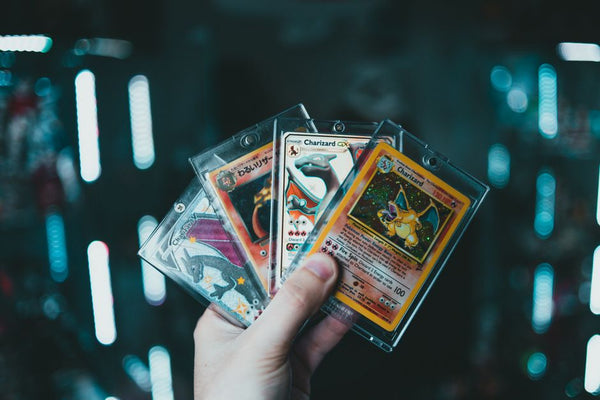
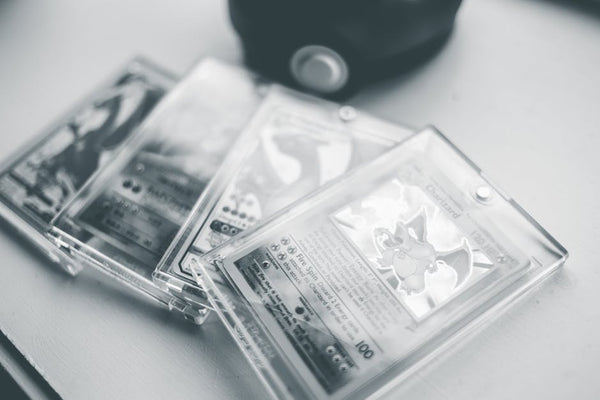
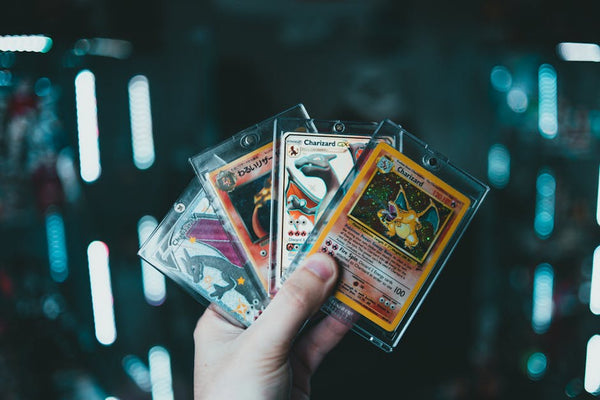
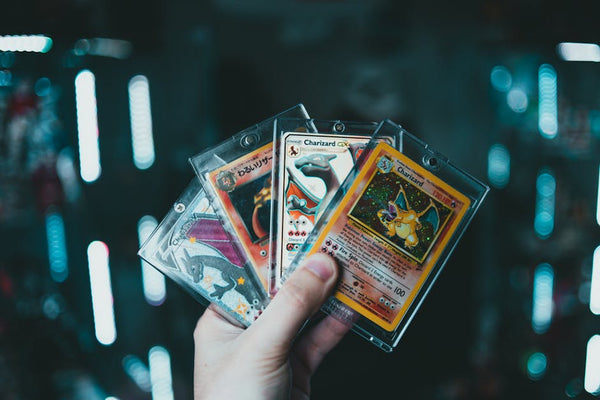
Base Set cards from 1998-1999 are basically the Intel 8086 of Pokemon TCG. They started everything. PSA 10 Base Set Charizard consistently sells for $6,000-15,000 depending on the exact variant, and that price has been remarkably stable even through market crashes.
But here's where most people mess up — they think any old Pokemon card will appreciate. Wrong. Dead wrong. You need the perfect storm: iconic Pokemon, good condition, and scarcity. Base Set Pikachu? Solid investment. Base Set Machamp? Eh, everyone has one because it came in starter decks.
The Japanese Base Set No Rarity cards are absolutely busted in terms of value retention. These babies didn't have rarity symbols, making them the first edition of the first edition. A PSA 10 No Rarity Charizard sold for $128,900 in 2022. That's not a typo.
Why First Editions Matter (And Why They Don't)
First Edition stamps are like having an RTX 4090 FE instead of an AIB model. Same performance, but one commands a premium. Base Set First Edition Charizard in PSA 10 hits $20,000-50,000 regularly. The unlimited version? Maybe $4,000-6,000.
But here's my hot take: chasing first editions in modern sets is mostly pointless. The print runs are massive, quality control is better, and everyone's grading everything. You're not finding hidden gems in Pokemon Brilliant Stars first edition packs.
Modern Pokemon TCG Cards: The Speculation Trap
Walking through our shop here in Orange, TX, I see people constantly asking about the latest chase cards. "Will this Alternate Art Charizard from Pokemon TCG hold value?" Maybe. Probably not at current prices.
Modern cards face the smartphone problem — they're impressive now, but next year's model makes them look dated. That $400 Charizard VMAX from Darkness Ablaze? Currently sitting around $150-200. Still decent, but hardly the moonshot investors hoped for.
The brutal truth? Most modern Pokemon cards are mid-tier investments at best. Print runs are enormous, and Pokemon Company International isn't stopping the presses anytime soon. It's basic supply and demand economics.
The Exceptions That Prove The Rule
Some modern cards do hold value, but they're usually special releases. The Pokemon 25th Anniversary Golden Box Pikachu? Solid performer because of limited distribution. Celebrations Classic Collection cards? They're reprints, but nostalgia is powerful.
Japanese exclusive releases consistently outperform English variants. Japanese Shining Fates Shiny Charizard VMAX maintains better value than its English counterpart because Japanese collectors are absolutely ruthless about condition and scarcity.
"The Japanese market treats Pokemon cards like vintage wine — age, rarity, and perfect condition create exponential value."
Grading: Your Best Friend or Expensive Mistake?
PSA grading is like overclocking your CPU. Done right, you unlock hidden performance. Done wrong, you've wasted money and possibly destroyed value. A raw Near Mint Base Set Charizard might be worth $1,000. That same card in PSA 8? Maybe $1,500. PSA 9? $3,000. PSA 10? $10,000+.
The grading fees add up though. $50-100 per card for standard service, and you're gambling on condition. I've seen people submit cards they thought were perfect 10s only to get back 6s or 7s. Ouch.
Personally, I think raw cards are undervalued right now. Everyone's so focused on slabs that clean, ungraded vintage cards offer better entry points for actual collectors versus pure speculators.
The Condition Game
Card condition matters more than anything else. A PSA 10 unlimited Base Set Charizard outperforms a PSA 7 first edition. That's bonkers when you think about it, but condition is king in trading card game investing.
Look for these condition killers: silvering on borders (especially dark cards), print lines, centering issues, and corner wear. Even tiny imperfections tank values on high-end cards.
Market Cycles: When To Buy And Sell
Pokemon cards follow predictable cycles, kind of like graphics card generations. New set releases create hype, prices peak, then slowly decline until nostalgia kicks in years later. The trick is identifying which cards will benefit from that nostalgia wave.
2020-2021 was absolutely insane. Logan Paul opened a $6 million box on stream, celebrities started collecting, and prices went parabolic. Then reality hit. Many cards lost 50-70% of their peak values. But the truly iconic ones? They held steady or kept climbing.
Right now we're in a correction phase. Good news for buyers, rough for recent investors. But this is exactly when smart money enters the market.
The 10-Year Rule
Here's something most people don't realize — Pokemon cards typically need 10+ years to show serious appreciation. Base Set took until around 2016-2017 to really explode in value. That's nearly 20 years after release.
Diamond & Pearl era cards are just starting to heat up now. Those 2007-2008 sets were largely ignored for years, but suddenly everyone wants pristine copies. Time creates scarcity in ways print runs can't.
Red Flags: Cards That Won't Hold Value
Avoid these like a sketchy PSU: damaged cards being sold as "played condition," modern cards at current peak prices, and anything described as "investment grade" by sellers. If someone's pushing cards as investments, run.
Also, steer clear of heavily reprinted cards. Pokemon loves bringing back popular designs, and those reprints absolutely demolish original values. The Evolutions Charizard tanked Base Set Charizard prices temporarily just by existing.
Promo cards are tricky. Some are valuable (Trophy Pikachus, tournament prizes), others are worthless (McDonald's promos, random giveaways). Research distribution numbers before buying.
Building A Smart Pokemon Portfolio
Treat Pokemon TCG investing like building a balanced PC. You want your reliable foundation (Base Set staples), some performance upgrades (key cards from each generation), and maybe one or two high-end components (Trophy cards, Japanese exclusives) if your budget allows.
Diversification matters. Don't go all-in on Charizard variants. Pikachu, Lugia, Rayquaza, and other iconic Pokemon have strong followings too. Spread your risk across different eras and Pokemon.
And honestly? Buy what you actually like. The best investments are cards you'd be happy owning even if they never appreciate. Because sometimes they don't, and at least you'll have cool cardboard to look at.
The Pokemon TCG market will keep evolving, new generations will discover the hobby, and certain cards will continue building legendary status. Just remember — in a world where people pay $3,000 for graphics cards that'll be outdated in two years, maybe spending similar money on a piece of gaming history that's already lasted 25 years isn't so crazy after all.







Leave a Comment