


Pokemon TCG Investing: Which Cards Actually Hold Their Value (And Which Are Total BS)
Look, I've been building PCs for over a decade, but Pokemon TCG investing has become my side hustle that's honestly paying better than some of my tech flips. After watching countless people get burned buying overhyped cards and seeing the same mistakes over and over, I need to drop some truth bombs about what actually holds value in this trading card game.
The Pokemon card market isn't like RAM prices where you can just check PCPartPicker and call it a day. This stuff's way more volatile than crypto, and twice as emotional. But here's the thing - there are patterns if you know what to look for.
Base Set Cards: The RTX 3080 of Pokemon TCG
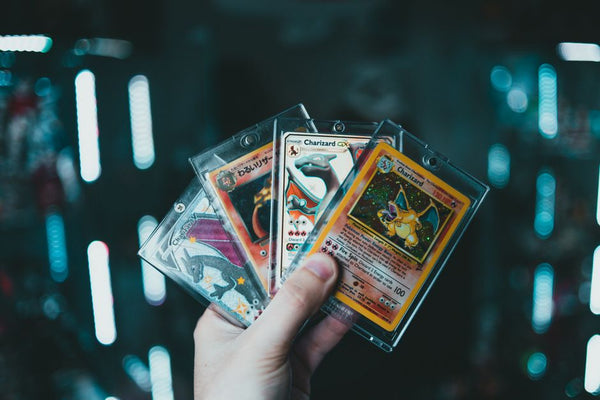
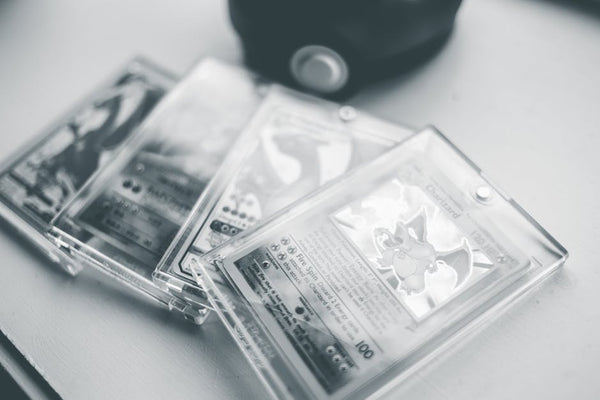
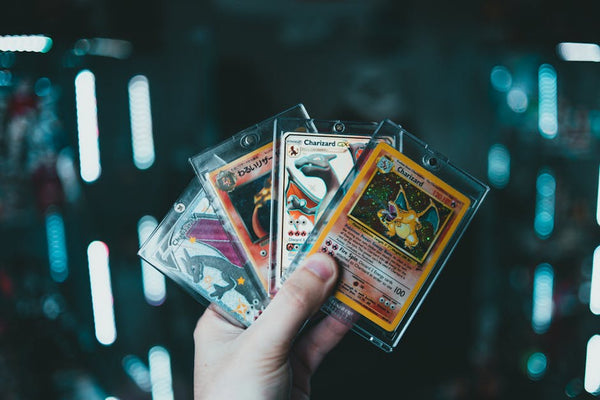
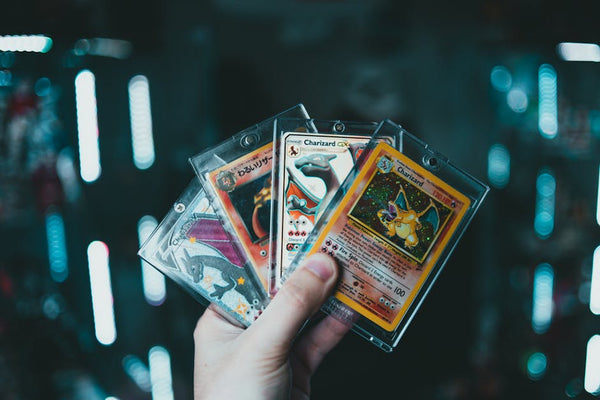
Everyone talks about Base Set Charizard like it's the holy grail. And yeah, a PSA 10 First Edition goes for stupid money - we're talking $350k+ for mint condition. But you know what's cringe? People dropping $50k on PSA 8s thinking they're making smart investments.
Hot take: Base Set Unlimited isn't the flex people think it is. Sure, a PSA 10 Charizard might hit $6k-8k, but that same money could get you multiple better plays. The real gems from Base Set? Blastoise and Venusaur in high grades. They're not as hyped but they're genuine classics that'll always have demand.
Base Set Shadowless is where the smart money sits though. Not as expensive as First Edition, but way more stable than Unlimited. It's like buying a 3070 instead of a 4090 - you get 90% of the performance for 60% of the cost.
PSA 9 Shadowless Charizard: $15k-20k range. Much more reasonable entry point than First Edition madness.
Japanese Cards Hit Different (And Hold Value Better)
Bro, if you're not looking at Japanese cards, you're missing the entire point. The print quality is consistently better, the population reports are lower, and Japanese collectors don't mess around with damaged cards like some Western collectors do.
Japanese Base Set cards trade at premiums for good reason. A PSA 10 Japanese Base Charizard will run you $40k-60k versus $350k+ for English First Edition. That's not "budget" by any means, but the value proposition makes way more sense.
What really gets me excited? Japanese Promotional cards. These aren't mass-produced like regular sets. Trophy Pikachu cards from tournaments can hit six figures easy. The 1998 Pikachu Illustrator sold for over $5 million. Yeah, you read that right. Five. Million. Dollars.
Neo Genesis Through E-Series: The Sweet Spot
While everyone's fighting over Base Set scraps, smart investors are looking at Neo Genesis through the E-Series cards. Lugia from Neo Genesis? Solid performer. The artwork is iconic, and it's from the height of Pokemon's popularity without the insane Base Set tax.
E-Series cards are lowkey undervalued right now. The artwork style is unique, they're not reprinted, and the Japanese versions especially are climbing steadily. Crystal Pokemon from these sets? Pure fire if you can find them graded well.
Modern Cards: Separate the Wheat from the Chaff
This is where I see people make the dumbest mistakes. Not every special card from modern sets is investment-worthy, despite what YouTube "experts" tell you.
Pokemon TCG product from 2016 onward has been printed into the ground. Those $300 Evolving Skies booster boxes? They made millions of them. But here's what actually matters from modern releases:
Japanese sets still have lower print runs. Japanese Alternate Art cards consistently trade higher than English versions. It's not even close - we're talking 30-50% premiums regularly.
Personally, I think the only modern English cards worth buying are the absolute chase cards in PSA 10. Moonbreon from Evolving Skies? Yeah, that'll hold value. Random V cards? Nah, those are going to zero faster than Intel stock.
The PSA 10 Rule (And Why It Matters More Than You Think)
Here's some real talk: if you're investing, anything below PSA 9 is basically worthless for cards newer than 2010. The grading standards have gotten stricter, and population reports for PSA 10s are way lower than they used to be.
But here's where it gets tricky - PSA 10 doesn't guarantee profits. I've seen PSA 10 modern cards lose 80% of their value in six months because the initial hype died down. Market timing matters just as much as card quality.
Rule of thumb: If you wouldn't be happy owning the card at 50% of current value, don't buy it as an investment.
Cards That Are Straight Up Busted (In a Good Way)
Trophy cards from official tournaments. These aren't speculation - they're proven winners. The supply is fixed (they can't print more), and the Pokemon Company treats them like legitimate sporting achievements.
Master's Key from 2010 Worlds? $50k+ easy. Staff Promo cards from major tournaments? Consistently strong performers. These cards have stories behind them, and that emotional connection drives long-term value.
Honestly, if I had $10k to invest right now, I'd be looking at 2005-2010 tournament promos before anything else. The Pokemon TCG was mature enough to have organized competitive play, but not so mainstream that everyone was hoarding cards.
The Sleeper Picks Nobody Talks About
Southern Islands cards are criminally undervalued. These were only available through a specific promotion, the artwork is gorgeous, and most people don't even know they exist. A complete set in good condition runs maybe $2k-3k. That's nothing compared to Base Set money.
Web series cards from 2001? Same story. Limited distribution, unique artwork, and they're from peak Pokemon nostalgia era. But since they weren't tournament legal, most people ignore them completely.
What About English vs Japanese? The Real Numbers
This isn't even debatable anymore. Japanese cards consistently outperform English cards in the long term. Better print quality means higher grade rates. Lower populations mean better scarcity. And Japanese collectors generally take better care of their cards.
When I help customers at our shop here in Orange, TX, I always tell them: if you're buying for investment, consider Japanese first. Yeah, the nostalgia factor for English cards is real, but nostalgia doesn't pay bills.
Exception: Base Set English cards are so iconic that they transcend normal investment logic. A PSA 10 English Base Set Charizard will probably always trade higher than the Japanese version, even though the Japanese card is objectively rarer and better quality.
Population Reports Don't Lie
PSA population reports are your best friend for investment decisions. If there are 10,000+ PSA 10s of a card, it's not rare. Period. Doesn't matter what the hype says.
Compare that to vintage Japanese cards where PSA 10 populations might be under 100 total. The math is simple - genuine scarcity wins over artificial scarcity every single time.
The Cards That Are Genuinely Overpriced Right Now
Logan Paul buying that Base Set box for $6 million? That was peak bubble behavior, and we're still feeling the aftershocks. Anything tied to that moment is probably overpriced by 50-75%.
Most Evolving Skies products are still trading on hype rather than fundamentals. Yeah, Moonbreon is iconic, but $1000+ for a card that's two years old? From a set they printed millions of boxes? C'mon now.
Personally, I think anything from Sword & Shield era forward needs to prove itself over 5+ years before we call it investment-worthy. The exception being true chase cards in perfect condition, but even those are risky at current prices.
What genuinely worries me? People buying raw vintage cards at graded prices. If you're paying PSA 9 money for a raw card, you better be damn sure it'll grade out. And honestly? Most won't.
Where Smart Money Goes in 2024
Here's where I'm putting my money: mid-tier vintage Japanese cards in high grades. Not the mega-expensive stuff, but solid performers from 1996-2003 that trade in the $500-5000 range.
Why? Because that's where actual collectors shop, not speculators. Real collectors drive long-term value. Speculators drive pump and dump cycles.
Trophy cards from smaller tournaments are another play. Not everyone can afford a $50k Master's Key, but Staff promos and regional tournament cards? Those are accessible and have room to grow.
The Pokemon TCG market isn't going anywhere, but it's maturing fast. The days of buying any vintage card and making money are over. Now you actually need to be smart about it - just like building a proper gaming rig instead of just throwing RGB on everything and hoping for the best.
Do your homework, know the population reports, and remember that Pokemon TCG investing is a marathon, not a sprint. But when you hit on the right cards? Man, it feels better than hitting that perfect CPU overclock on the first try.










Leave a Comment