


Pokemon TCG Investing: Which Cards Actually Hold Their Value (And Which Are Total BS)
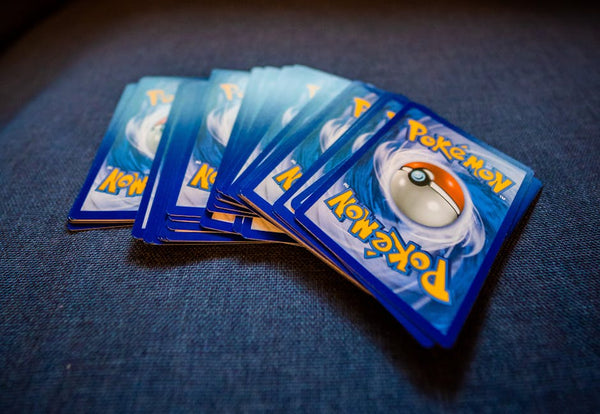
Look, I've been building PCs for over a decade, but I'll be honest — Pokemon TCG investing has become almost as complex as choosing the right GPU for 4K gaming. People keep asking me about card values when they swing by our shop, and honestly, it's wild how much crossover there is between tech enthusiasts and card collectors. Both communities love shiny things that cost way too much money.
Here's the thing though. Most "investment advice" you'll find online is straight garbage.
Half these YouTube channels are pushing whatever cards they're trying to flip, kind of like how tech influencers suddenly love whatever company just cut them a check. The Pokemon TCG market isn't some get-rich-quick scheme, and if someone's telling you to mortgage your house for a Charizard, run.
The Brutal Truth About Pokemon TCG Card Values
First off, let's kill this myth right now — modern cards are NOT the same investment as vintage Base Set cards from 1998. That's like comparing a modern Intel i3 to the original Pentium and calling them equivalent because they're both CPUs. Completely different eras, different scarcity, different everything.
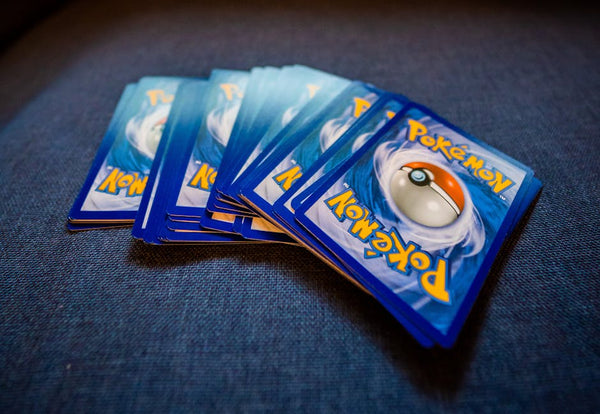
Personally, I think 90% of people buying modern Pokemon cards as "investments" are going to get absolutely wrecked. You know why? Print runs are massive now. Pokemon Company International isn't stupid — they see the demand and they're printing cards like the Federal Reserve prints money.
But here's where it gets interesting. Some cards genuinely do hold value, and understanding why separates the smart collectors from the FOMO crowd buying whatever's trending on TikTok this week.
The Cards That Actually Matter
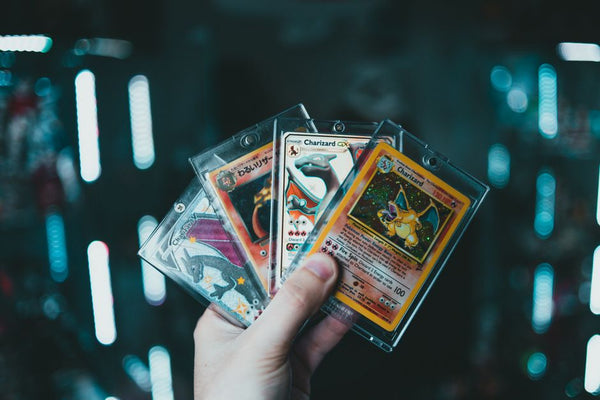
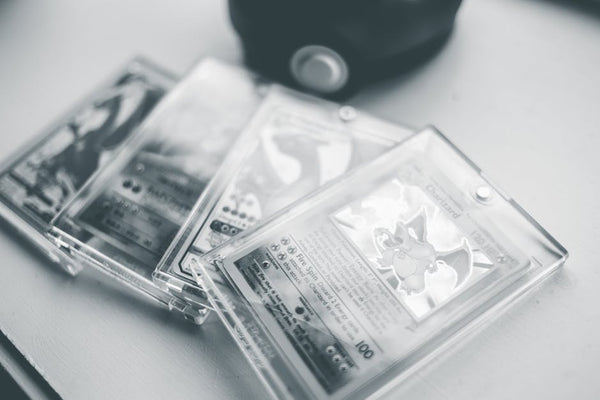
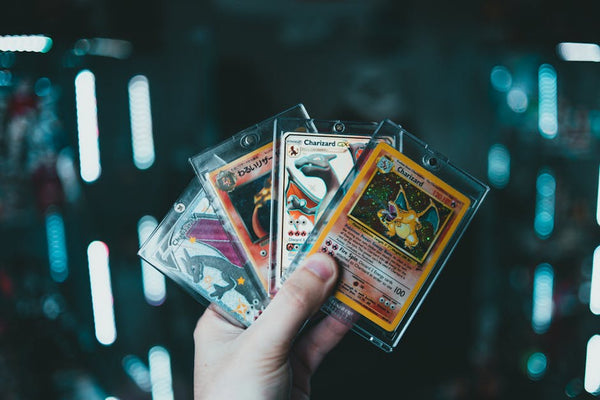
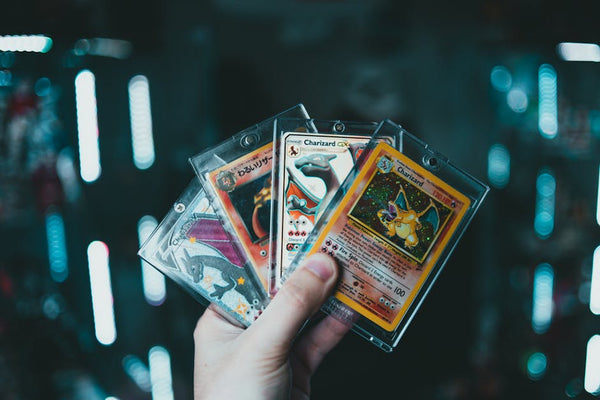
Vintage Base Set Unlimited Charizard? Solid investment if you can snag a PSA 9 or 10. These aren't going anywhere. I've seen clean PSA 10 examples sell for $6,000+ consistently. That's not hype — that's 25+ years of proven demand.
Japanese cards are lowkey undervalued compared to English versions. Japanese Base Set No Rarity Symbol cards are genuinely rare, especially in high grades. The Japanese market has always been more quality-focused, so finding mint condition cards is tougher.
Here's my hot take: Trophy cards and promotional cards from official tournaments are where the real money sits long-term. These had tiny print runs, specific distribution methods, and they're impossible to reprint. Think of them like limited edition graphics cards — once they're gone, they're gone forever.
Modern Pokemon TCG: Separating Hype from Reality
Don't get me wrong, some modern cards are decent holds. But you've got to be smart about it.
Japanese exclusive cards still command premiums. The recent Pokemon 25th Anniversary Golden Box cards? Those are actually limited print runs with real scarcity. Compare that to your average Battle Styles booster box — they printed those things into the ground.
Special delivery cards and Pokemon Center exclusives have shown decent staying power. The Bidoof and Charizard special delivery promos held their $100+ values even after the initial hype died down. That's unusual for modern cards.
But seriously, if you're buying modern cards hoping they'll pay for your kid's college, you're setting yourself up for disappointment. The Pokemon Company has zero incentive to create artificial scarcity when they can just... print more money.
What Actually Drives Pokemon Card Values
Three factors determine long-term value, and they're pretty similar to what drives vintage computer hardware prices:
Scarcity is king. Cards that had small print runs or limited distribution will always outperform mass-printed sets. This isn't rocket science, but people ignore it constantly.
Condition matters more than you think. A PSA 10 Base Set Charizard sells for 3-4x what a PSA 8 goes for. That's not just collector pickiness — it's basic supply and demand. High-grade examples of popular cards are exponentially rarer.
Cultural significance beats everything else. Charizard will always be Charizard. Pikachu will always be Pikachu. These aren't just game pieces — they're cultural icons that transcend the trading card game itself.
The Cards I'd Actually Put Money Into
Look, I'm not a financial advisor, and this isn't financial advice. But if I'm dropping my own cash on Pokemon cards for long-term holds, here's what I'm targeting:
Any PSA 9+ Base Set holos, especially the big three (Charizard, Blastoise, Venusaur). These have 25 years of price history backing them up. The floor keeps rising even during market downturns.
Japanese promotional cards from the late '90s and early 2000s. Specifically tournament prizes and store exclusives that never got English releases. The Japanese collector market is insane, and these cards have nowhere to go but up.
High-grade examples of Neo Genesis first edition cards. This set gets slept on hard, but it introduced generation 2 Pokemon and has significantly lower populations in PSA 10 compared to Base Set.
Here's something most people miss though — condition is everything. I'd rather own one PSA 10 card than five raw "mint" cards that might grade PSA 7. The grade premium is real and it's not going away.
The Biggest Mistakes I See People Make
Buying graded cards at peak hype prices. Seriously, don't chase pumps. I watched people pay $800 for Logan Paul Charizard cards that are now worth $300. Wait for the dust to settle.
Ignoring Japanese cards because they can't read them. Bro, Pokemon is Japanese. The original cards are Japanese. English cards are technically the "foreign" versions if you think about it. Japanese cards often have better print quality and smaller print runs.
Banking on modern chase cards from unlimited print run sets. That Rainbow Rare Charizard from Champion's Path? They printed millions of those packs. Your "rare" card isn't as rare as you think.
Not understanding PSA population reports. If there are 5,000 PSA 10s of a card, it's not rare anymore. Do your homework before dropping serious cash.
Where Pokemon TCG Investing Goes From Here
The market's maturing, which means easy money is getting harder to find. We're seeing more sophisticated collectors who actually understand grading, population reports, and historical pricing data.
Honestly, I think we're heading toward a bifurcated market. True vintage cards (pre-2003) will continue appreciating steadily. Modern cards will have occasional spikes but struggle to maintain long-term growth unless they have genuine scarcity.
The Pokemon TCG isn't going anywhere — it's bigger now than it was in the '90s. But treating every shiny card like a retirement plan? That's a recipe for getting burned. Approach it like any other collectible market: buy what you love, understand what you're buying, and never invest more than you can afford to lose.
And hey, if you're ever in Orange, TX and want to check out some cards in person, swing by TieredUp Tech. We've got a solid Pokemon TCG selection, and I'm always down to talk shop about the intersection of gaming and collecting. Just don't ask me to validate your theory about why your base set Ratatta is going to pay off your student loans.










Leave a Comment