


Pokemon TCG Investing: Which Cards Actually Hold Their Value (And Which Are Just Hype)?
Let me tell you something about Pokemon TCG investing that nobody wants to admit: most people are doing it completely wrong. I've watched countless customers at our shop here in Orange, TX drop hundreds on the latest shiny chase card, only to see its value crater faster than a poorly optimized gaming rig. But here's the thing — some cards genuinely do hold their value, and understanding why makes all the difference between smart collecting and expensive mistakes.
The Truth About Card Value vs Card Price
Remember that customer who insisted on buying Base Set Charizard reprints thinking they'd struck gold? Yeah, that's the problem right there. Price isn't value. A $200 card that drops to $50 in six months wasn't valuable — it was just expensive.
Real value in the Pokemon trading card game comes from three things: genuine scarcity, sustained demand, and historical significance. Notice I didn't say "looks cool" or "has rainbow foil." Cool factor fades. Scarcity doesn't.
The cards that consistently hold value share specific traits. First edition Base Set cards? They're not making more of those, ever. Trophy cards from major tournaments? Limited by definition. Certain promotional cards from specific events? Same deal. But that alt-art Pikachu everyone's losing their minds over this month? There are literally thousands being printed daily.
Base Set: The Foundation That Never Crumbles
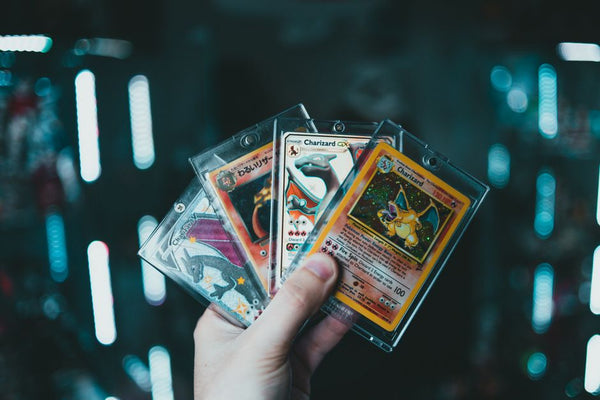
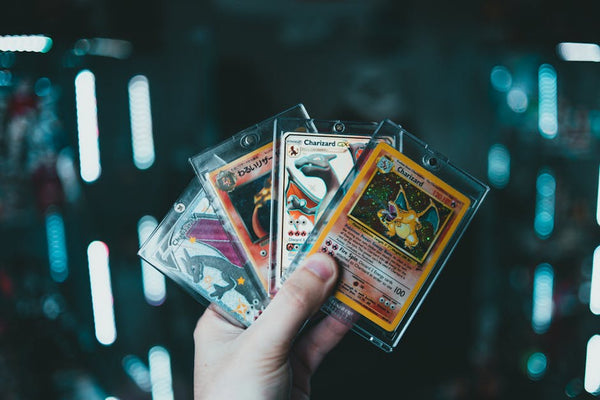
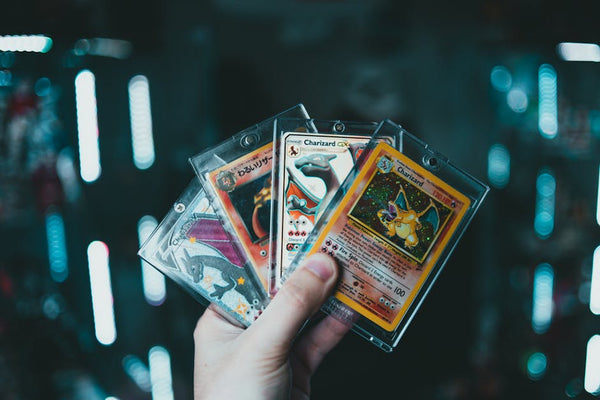
Hot take: if you're serious about Pokemon TCG investing, you start with Base Set or you don't start at all. These cards represent the beginning of everything. First edition Base Set Charizard isn't expensive because it's pretty (though it is) — it's expensive because it's historically significant and genuinely rare.
But here's what most people miss: it's not just Charizard. Blastoise, Venusaur, even some of the holographic supporting cards maintain solid value. Why? Because every Pokemon fan knows these cards. They're not going out of style. Ever.
A PSA 9 first edition Base Set Charizard typically holds around $5,000-$6,000. That's not speculation money — that's established value with decades of data backing it up. Compare that to most modern chase cards that spike to $200 and settle around $40.
Modern Cards: Separating Signal from Noise
Okay, but what if you can't drop five grand on a single card? Fair question. Modern Pokemon TCG cards can hold value, but you need to be way more selective.
Japanese exclusive cards often outperform their English counterparts. Cultural significance matters in collecting, and Japan gets special treatments that never make it overseas. Those promo cards from Pokemon Centers in Japan? They're not just rare — they're culturally important.
Alternate art cards from recent sets like Lost Origin or Crown Zenith can maintain decent value, but only specific ones. Giratina alt art? Still solid. Random trainer card alt art? Probably not your best investment.
Trophy cards remain the real deal. Pokemon World Championship cards, regional tournament prizes, staff promos from major events — these have built-in scarcity and meaning. A 2019 World Championship Pikachu trophy card holds its $800-$1,200 value because there are so few of them.
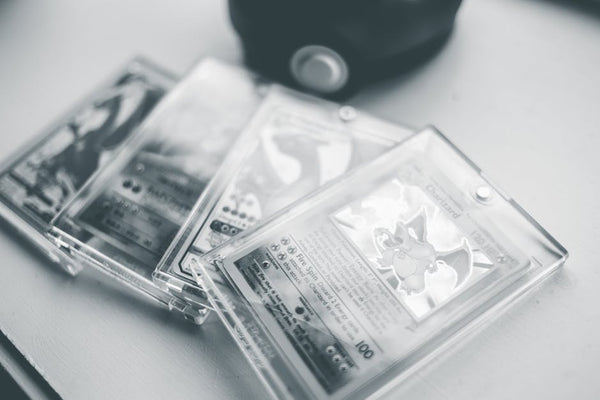
The Grading Game: When PSA Actually Matters
Here's something that annoys me: people grading every single card they own. Not every card needs to be in a plastic case, folks. But for actual investing? Yeah, condition matters massively.
The difference between a PSA 8 and PSA 10 Base Set Charizard is literally thousands of dollars. A PSA 10 might sell for $8,000 while a PSA 8 goes for $2,500. Same card, different condition grades.
But here's the nuance nobody talks about: grading costs money and time. If your card isn't worth at least $100 ungraded, the economics rarely work out. You're spending $50-$100 on grading for what benefit exactly?
What Actually Loses Value (And Loses It Fast)
Let me save you some heartache: most modern booster pack pulls are not investments. They're lottery tickets that occasionally pay off but usually don't.
Those rainbow rare cards everyone goes crazy for? They're beautiful, sure, but their print runs are massive compared to vintage stuff. A rainbow rare Charizard from Brilliant Stars printed 100,000+ copies isn't rare. It's just... shiny.
Honestly, the worst investment advice I see is people buying sealed modern products expecting huge returns. Opening Pokemon products from the last few years? Most boxes lose money compared to just buying singles. The math is brutal.
And don't get me started on "investing" in unlimited edition cards from any era. If it's not first edition and it's not from Base Set through maybe Neo Genesis, you're probably better off putting your money in actual stocks.
The Hype Cycle: Timing Everything Wrong
Remember when Logan Paul bought that Base Set box for $6 million? Suddenly everyone thought Pokemon cards were the next Bitcoin. Prices went absolutely insane. Then reality hit.
Smart investors buy during the quiet periods, not during hype waves. That customer who bought Evolving Skies booster boxes at $200 each during the hype? They're worth $120 now. Meanwhile, someone picking up damaged Base Set holos during that same period got actual deals.
Hype cycles are predictable: new set releases, influencer mentions, anniversary announcements, movie releases. Prices spike, then they fall. The cards that survive these cycles? Those are your real investments.
Building a Portfolio That Actually Works
If you're serious about this — and I mean actually serious, not "I opened a booster pack" serious — you need a strategy. Throwing random money at random cards isn't investing. It's gambling.
Start with a foundation of proven performers. One high-grade Base Set card beats twenty random modern pulls. Then add selectively from newer sets, focusing on first edition Japanese cards, genuine error cards (not damage), or tournament prizes.
Personally, I think the sweet spot for most collectors is cards in the $100-$500 range. Expensive enough to be selective, cheap enough to actually afford multiple pieces. A nice PSA 8 Base Set Blastoise or a clean Japanese promo Pikachu builds real value over time.
The best Pokemon TCG investments aren't the ones making headlines — they're the ones quietly appreciating while everyone chases the latest trend.
Storage matters more than people realize. Those cards sitting in binders for decades? Environmental damage kills value faster than anything. Proper sleeves, climate control, protection from UV light — these aren't optional for serious collecting.
The Reality Check Nobody Wants
Here's the uncomfortable truth: most people shouldn't treat Pokemon cards as investments at all. If you can't afford to lose the money completely, you shouldn't be buying collectible cards. Period.
The market can shift. Demand can disappear. New factors can emerge. What happens if Pokemon Company prints anniversary reprints of Base Set? What if trading card games fall out of favor entirely? These are real risks.
But for those who understand the risks and have money they can genuinely afford to tie up long-term? Pokemon TCG cards offer something unique: tangible collectibles with genuine emotional connection and proven track records.
The cards that matter aren't the ones trending on social media today. They're the ones that'll still matter in twenty years. Choose accordingly, and maybe you'll actually build something valuable instead of just expensive.










Leave a Comment