


Pokemon TCG Investing: Which Cards Actually Hold Their Value?
Look, I'm gonna be real with you right off the bat. Pokemon TCG investing isn't some get-rich-quick scheme where you're gonna flip Base Set Charizards and retire to the Bahamas. But can certain cards hold their value or even appreciate? Absolutely.
After years of watching customers tear open booster packs at shops and seeing which cards people actually hunt for long-term, I've got some thoughts on what's worth your hard-earned cash in this trading card game market.
The Harsh Reality Check Nobody Talks About
Here's the thing that drives me crazy about Pokemon TCG "investment" content online. Everyone wants to talk about that Base Set Charizard that sold for $420,000. Nobody mentions the thousands of cards sitting in binders losing value every day.
Most Pokemon cards? They're worth about as much as the cardboard they're printed on within a few years. Harsh? Maybe. True? Definitely.
I remember this one customer who came into our shop convinced his entire collection of recent sets was gonna pay for his kid's college. Dude had probably $3,000 worth of cards at retail prices. Current market value? Maybe $800. That's the reality check most people need.
Cards That Actually Hold Value (And Why)
First Edition Base Set - The OG Investment
Yeah, I know. Everyone talks about Base Set. But here's why it actually works as an investment: scarcity plus nostalgia equals stupid money from millennials with disposable income.
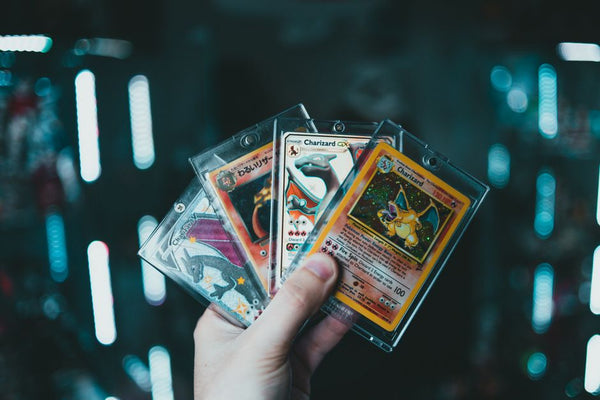
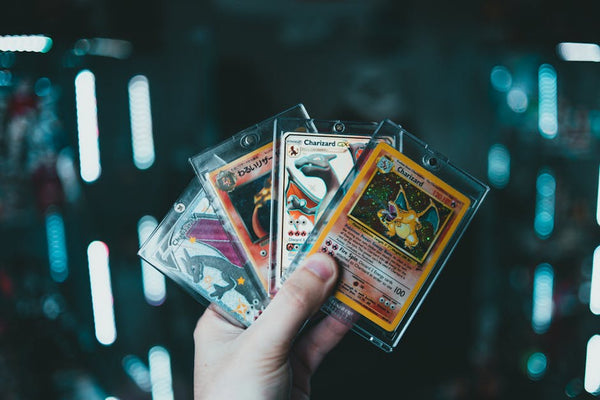
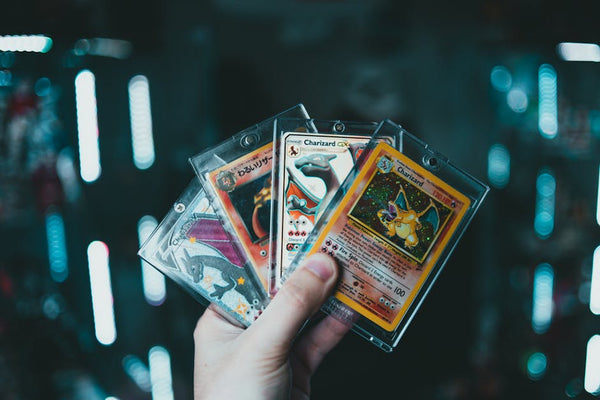
First Edition Base Set Charizard in PSA 10? We're talking $30,000+ easy. Even a PSA 9 hits $6,000-8,000. But here's the catch - finding genuine first edition cards in gradeable condition is like finding a shiny Pokemon. Possible, but don't bet your rent money on it.
The entire first edition Base Set holds value though, not just Charizard. Blastoise, Venusaur, even the holos like Alakazam and Magneton. Why? Because they're the foundation of the entire Pokemon trading card game phenomenon.
Japanese Cards - The Sleeper Investment
Honestly, Japanese Pokemon cards are where smart money goes. Lower print runs, higher quality cardstock, and they're treated with more respect in their home market.
Japanese Base Set cards consistently outperform their English counterparts. A Japanese Base No Rarity Charizard in mint condition? That's a $15,000+ card. The entire Japanese market is just more mature when it comes to card preservation.
Plus, certain Japanese exclusive cards never got English releases. That's automatic rarity right there.
Trophy Cards and Promo Cards
Here's where it gets interesting. Tournament prize cards and promotional cards often have tiny print runs. We're talking hundreds, sometimes dozens of copies.
The 1997 Trophy Pikachu cards? Those sell for $30,000-50,000 depending on condition. The Illustrator Pikachu from 1998? One sold for $5.275 million in 2022. No, that's not a typo.
But you don't need million-dollar cards to make money. Even regional tournament prizes from the early 2000s hold solid value because so few were distributed.
Modern Cards Worth Watching
Okay, so vintage cards are expensive. What about modern stuff? Can you actually invest in current Pokemon TCG releases without taking out a second mortgage?
Alternate art cards from recent sets are showing serious staying power. The Umbreon VMAX alternate art from Evolving Skies? Still pulling $300+ raw. That card was $400+ when the set first dropped, dipped to $200, now it's climbing again.
Special sets like Pokemon 25th Anniversary, Hidden Fates, and Champion's Path have cards that aren't crashing like typical modern releases. The Golden Mew from Pokemon 25th? Solid $150 card that's held steady for two years.
The Eevee Evolution Factor
Hot take: Eevee evolutions are the safest investment in modern Pokemon cards. Doesn't matter the set, doesn't matter the artwork. People lose their minds over Eeveelutions.
I've watched customers specifically hunt for every Sylveon, Espeon, and Umbreon card that gets printed. That consistent demand creates a price floor that other Pokemon just don't have.
Red Flags That Scream "Bad Investment"
Can we talk about what NOT to buy? Because honestly, most Pokemon TCG investing advice online is terrible.
Graded modern commons and uncommons are almost always bad investments. Yeah, that PSA 10 Bidoof might look cute, but it's still a Bidoof. Don't spend $50 on a graded card that was worth $0.25 raw.
Fake graded cards are everywhere now. If you're seeing PSA 10 Base Set Charizards for $500 on eBay, they're fake. Period. Learn to spot counterfeit grading slabs before you get burned.
And please, for the love of all that's holy, stop buying Pokemon cards as investments from retail stores at launch prices. You're paying peak hype pricing. Wait for the market to settle.
The Grading Game Changes Everything
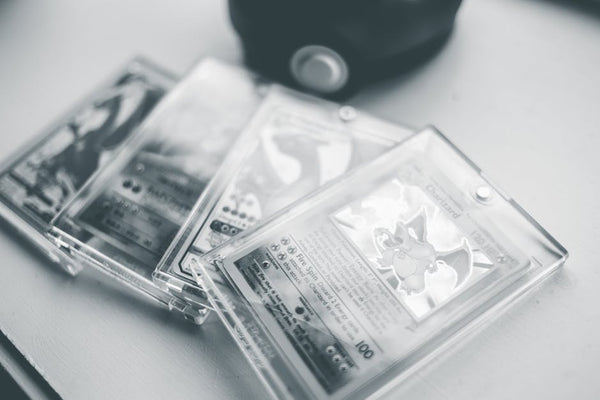
Here's where card investing gets complicated. A raw Near Mint Charizard might be worth $500. That same card graded PSA 10? Now it's $3,000.
But grading costs money, takes time, and there's always risk. What if your "mint" card comes back PSA 8? You just lost money on grading fees plus the value difference.
PSA 10 is the gold standard, but BGS 10 (especially Black Label) can command even higher prices. CGC is gaining respect but still trails the big two in market value.
Should you grade every card? Hell no. Should you grade cards worth $100+ in raw condition that look flawless? Probably.
My Personal Investment Strategy
Personally, I think the best Pokemon TCG investment approach is boring: buy cards you actually like and can afford to lose money on.
I focus on three categories: Japanese vintage holos in excellent condition, English first edition cards from early sets, and modern alternate arts from popular Pokemon. That's it.
When customers ask me at TieredUp Tech about Pokemon card investing, I tell them the same thing I'm telling you. Don't invest more than you can afford to lose, and don't expect quick returns.
The Pokemon cards that hold value do it over years, not months. If you need your money back in six months, Pokemon cards aren't for you.
The Future Looks Weird (But Maybe Good?)
Where's Pokemon TCG investing headed? Digital integration is coming whether we like it or not. Pokemon TCG Live is pushing digital card ownership, but physical cards still dominate the investment market.
Honestly, I think we're entering a golden age for Pokemon card values. The kids who grew up with Pokemon are now adults with money. That generational wealth transfer isn't slowing down anytime soon.
But the market's also more educated now. Information spreads fast. The days of finding a mint condition Base Set booster box at a garage sale for $50 are basically over.
New printing techniques and quality control mean modern cards might age better than vintage ones. Will a 2023 card look better in 2040 than a 1998 card looks today? Probably.
The smart play isn't chasing the next Charizard. It's understanding that Pokemon TCG cards with genuine scarcity, nostalgic appeal, and broad recognition will always find buyers. Everything else is gambling with extra steps.








Leave a Comment