


Magic: The Gathering Final Fantasy — Should You Drop Cash on This Crossover?
The MTG Final Fantasy crossover dropped and the community's split harder than a ranked lobby after a controversial patch. Some players are treating these cards like they're the next Black Lotus. Others? They're calling it a cash grab that'll tank harder than Artifact did.
I've been slinging cards since Kamigawa block, and I've seen plenty of crossovers come and go. This one's different though. We're talking about two absolute juggernauts in their respective spaces — Magic: The Gathering and Final Fantasy have been printing money for decades. But does that automatically make this collaboration worth your hard-earned cash?
What's Actually In This Magic The Gathering Final Fantasy Set
First things first — let's talk about what you're actually buying. The Final Fantasy crossover isn't a full set. It's what Wizards calls "Universes Beyond," which is basically their fancy way of saying "we're putting other IP characters on cardboard and hoping you don't notice the power creep."
You've got four preconstructed Commander decks, each themed around different FF games. The headliners? Cloud from FFVII, Lightning from FFXIII, Yuna from FFX, and Sephiroth because of course they had to include the silver-haired pretty boy. Each deck runs about $40-50 MSRP, but good luck finding them at that price anywhere.
Here's where it gets spicy though — these aren't just kitchen table casual cards. Some of these have legitimate competitive applications. Cloud's ability to generate card advantage while pressuring planeswalkers? That's not just flavor text, that's a real threat in the 99 of certain Commander builds.
The Money Cards Everyone's Chasing
Let's cut to the chase. Sephiroth is the chase card right now, sitting pretty at around $80-90 for the foil version. Why? The card's actually busted in reanimator strategies. Seven mana for a 7/7 flying, first strike that can potentially end games out of nowhere? In a format where people are cheating out Eldrazi titans, that's not unreasonable.
Lightning's also pulling decent numbers — around $25-30 — because her triggered ability synergizes with so many existing strategies. I've seen her slot into everything from Jeskai control builds to aggressive midrange piles. The flexibility's real.
But here's the thing that's got my spider senses tingling: the secondary market's treating these like limited print run collectibles rather than game pieces. That usually ends one of two ways — massive price correction or sustained artificial scarcity.
Trading Card Game Value vs Collectible Speculation
Personally, I think we're seeing two different markets collide here, and it's messy. You've got Magic players who want powerful cards for their decks, and you've got Final Fantasy collectors who just want Cloud on a piece of cardboard regardless of whether they know what tapping for mana means.
This creates weird pricing dynamics. I was talking to a customer at our shop here in Orange, TX last week who dropped $200 on a complete set of the alternate art versions. Dude doesn't even play Magic — he just loves FF and wanted them for display. That's driving demand in ways that have nothing to do with competitive viability.
Meanwhile, actual Magic players are trying to figure out if these cards will still be relevant in six months. Hot take: most of them won't be. Commander's such a diverse format that unless a card is absolutely game-warping, it gets replaced by the next shiny thing pretty quickly.
The Reprint Reality Check
Here's what nobody's talking about but everyone should be thinking about — reprints. Wizards has been pretty clear that Universes Beyond products can and will be reprinted if there's demand. They're not Reserve List cards. They're not even close to Reserve List cards.
Remember when everyone was paying $150 for Mana Crypt before it got reprinted into the ground? Yeah, that's the energy I'm getting from some of these prices. The difference is Mana Crypt was actually irreplaceable in competitive play. Most of these FF cards? They're good, but they're not irreplaceable.
The exception might be Sephiroth, but even then, paying $90 for a Commander card that might see a reprint in a year or two feels like you're gambling rather than investing.
Gameplay Impact: Are These Cards Actually Good?
Okay, let's talk brass tacks. Are these cards actually worth playing, or are we just caught up in crossover hype?
The answer's honestly more nuanced than I expected. These aren't pushed tournament staples, but they're not bulk rares either. Most fall into that sweet spot of "legitimately playable in casual competitive" which is exactly where Commander lives.
Cloud's card advantage engine is real. Lightning's flexibility makes her a solid role-player. Even some of the supporting characters have applications — Zidane's aggressive statline and relevant abilities make him a legitimate threat in the right shell.
But here's my issue: none of these cards do things that existing Magic cards don't already do better or cheaper. You want a seven-mana reanimator threat? Griselbrand exists. You want flexible removal attached to a creature? There are dozens of options that cost less mana and provide more immediate impact.
The Commander Format Consideration
Commander's weird because power level isn't everything. Politics matter. Theme matters. Sometimes you play a card because it makes the table laugh, not because it wins games.
That's where these cards might have staying power. The flavor's undeniable — when you slam Sephiroth onto the battlefield and everyone at the table goes "oh shit," that's a moment. Those moments are what keep cards in decks even when better options exist.
I've seen plenty of suboptimal cards stick around in Commander because they create memorable experiences. These FF cards have that potential in spades, especially if you're playing with other people who know the source material.
Pokemon TCG Comparison: Learning from Another Crossover
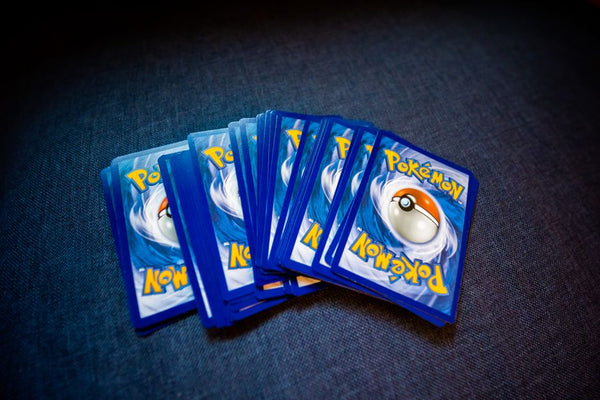
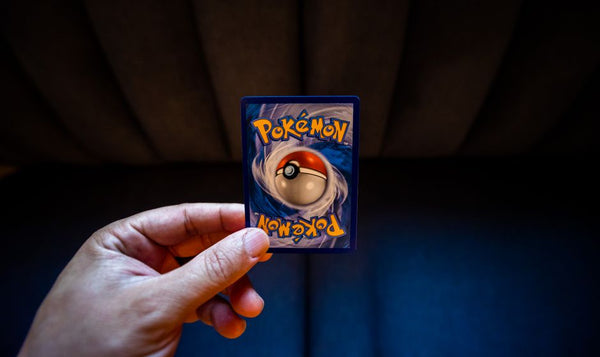
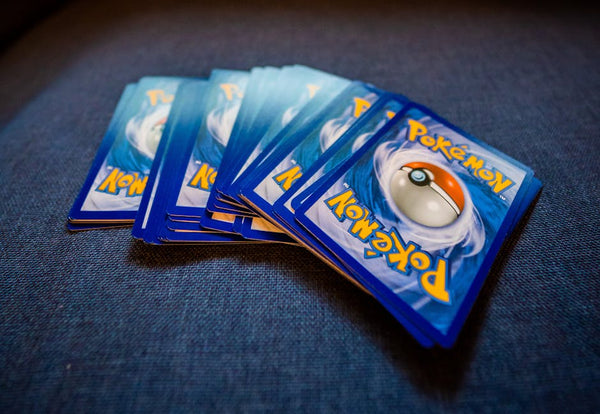
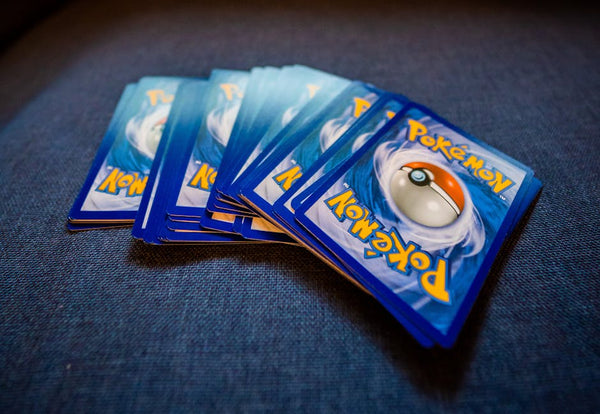
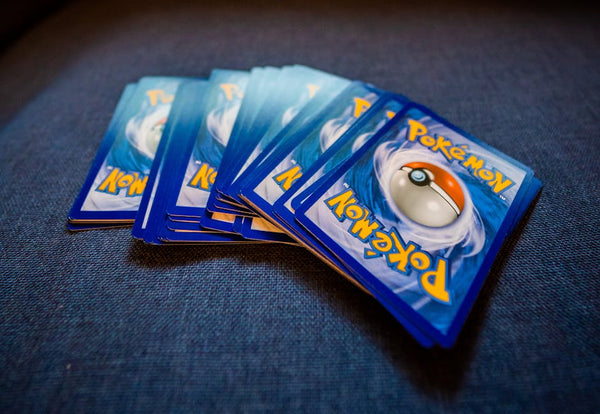
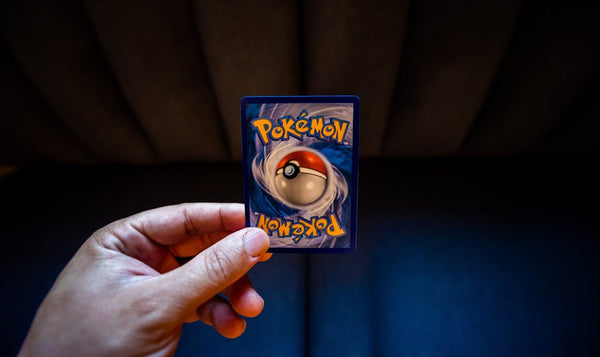
Let's step back and look at how other trading card games have handled similar crossovers. Pokemon TCG has been doing collaborations for years, and the pattern's usually the same — initial spike, gradual decline, then stabilization at a price point that reflects actual play value rather than hype.
The Pokemon cards that hold value long-term are either competitively viable or have massive nostalgia appeal. Most crossover cards fall into the second category, and their prices reflect collector demand rather than tournament results.
I suspect these MTG Final Fantasy cards will follow a similar trajectory. The ones with legitimate competitive applications will maintain decent value. The pure nostalgia plays will settle into collector pricing, which might be higher than game piece pricing but lower than current speculation levels.
The wild card is whether Wizards keeps printing crossover products. If Universes Beyond becomes a regular thing with multiple IPs per year, the novelty factor decreases and prices probably come down across the board.
Should You Buy In? The Real Answer
Look, I'm not your financial advisor, and I'm definitely not telling you how to spend your money. But if you're asking whether these cards are worth buying right now at current prices? That depends entirely on why you want them.
If you're a Final Fantasy fan who wants cool cards for your collection, go for it. Just don't expect them to fund your retirement. If you're a Magic player looking for competitive upgrades, there are probably better ways to spend your money. Most of these cards are good, not great, and you're paying a premium for the crossover appeal.
The middle ground? Pick up the specific cards you actually want to play with, and don't worry about completing sets or chasing alternate arts unless you're genuinely excited about them as collectibles.
Honestly, the smartest play might be waiting six months. Let the initial hype die down, see which cards actually see consistent play, and then target the ones you want when prices stabilize. Unless you absolutely need that foil Sephiroth for your reanimator deck right now, patience will probably save you money.
The crossover's not going anywhere, but those inflated prices might be. Sometimes the best play is not to play at all — at least not immediately. Check out our Magic: The Gathering Singles collection if you're looking for proven staples that won't break the bank or lose half their value in three months.






























Leave a Comment