


What Chinese AI Employment Laws Mean for PC Components and Your Next Build
Honestly, when I first heard about this Chinese court ruling that companies can't just fire workers because AI got cheaper, my brain immediately went to PC building. Wild connection? Maybe. But hear me out.
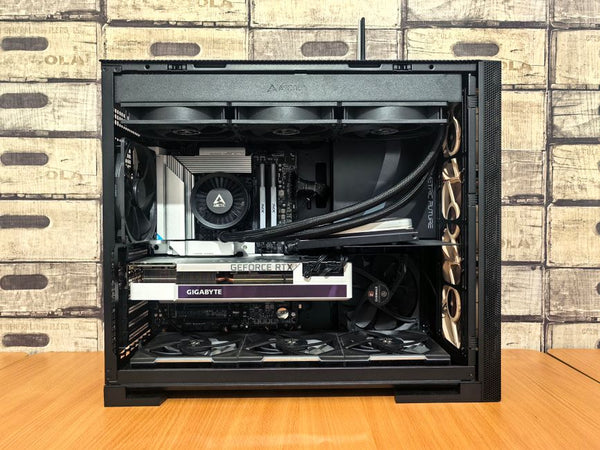
Just like that court said automation alone doesn't justify layoffs, I've been thinking about how this mirrors what's happening in the PC components world right now. Companies keep pushing AI acceleration into everything—your graphics card, your CPU, even your motherboard chipsets—but that doesn't mean your existing hardware becomes worthless overnight.
The Real Story Behind AI Hype in PC Components
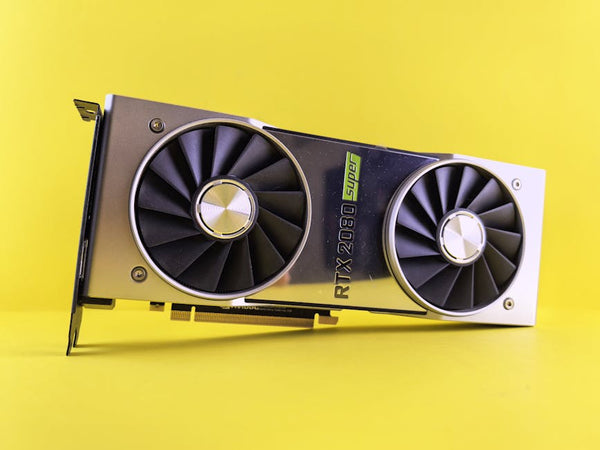
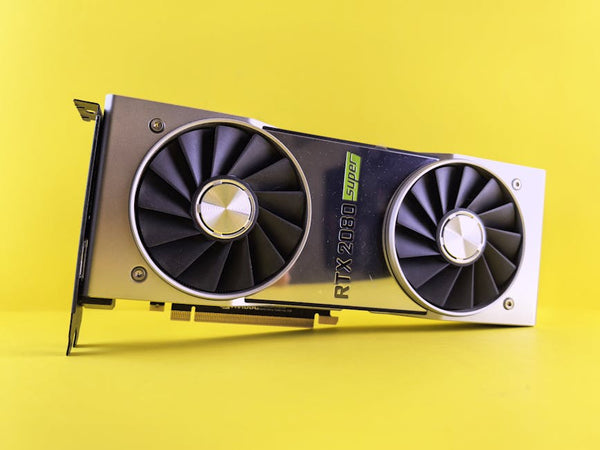
Let's be real for a second. Every tech company is slapping "AI-powered" onto their marketing materials like it's a holographic Charizard that automatically makes everything valuable. RTX 4090s with their tensor cores, AMD's RDNA 3 architecture, Intel's neural processing units—they're all fighting for that AI crown.
But here's the thing that gets me fired up: just because newer components handle AI workloads better doesn't mean your current build is suddenly trash tier. Remember when everyone thought cryptocurrency mining would kill gaming? We survived that. We'll survive this too.
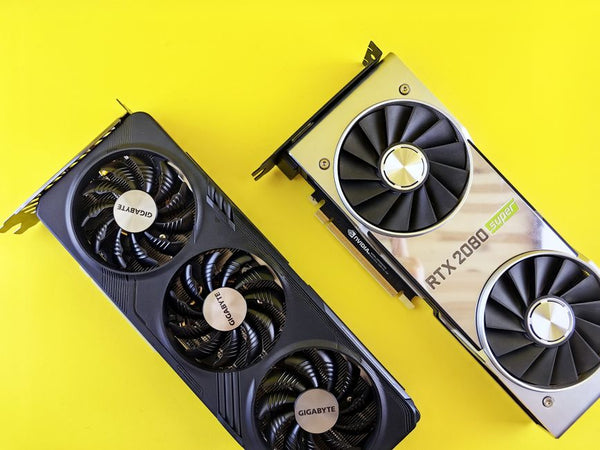
The Chinese ruling essentially says "hold up, just because a machine can theoretically do something doesn't mean you throw away what works." That's basically my philosophy with PC builds. Your RTX 3070 isn't suddenly a paperweight because the 4070 exists.
Why This Matters for Your Wallet
Think about it like TCG economics for a hot minute. When a new Magic set drops, does every card from the previous set become unplayable? Nah. Some become more valuable because they synergize with new cards. Others hold their ground. Only the truly powercrept stuff loses value.
Same deal with PC components right now. Sure, the RTX 4090 crushes AI tasks, but if you're running 1440p gaming on a 3070, you're still golden. Don't let the AI marketing machine convince you that you need to upgrade everything immediately.
I was helping a customer at our shop in Orange, TX last week who was convinced he needed to rebuild his entire rig because he heard about AI acceleration. Dude had a solid Ryzen 5 5600X and RTX 3080 setup. Still crushes every game at high settings. We talked him out of spending $2,000 on unnecessary upgrades.
The Performance Reality Check
Here's where things get spicy. AI workloads aren't the same as gaming workloads. Not even close. Running Stable Diffusion or training neural networks hammers your VRAM and compute units differently than Cyberpunk 2077.
Hot take: most people buying "AI-ready" components will never use those features for anything more intensive than Windows 11's background processing. It's like buying a Formula 1 car for grocery runs.
The numbers don't lie either. For actual gaming performance, the difference between an RTX 4070 and 4070 Ti in most titles at 1440p is maybe 10-15 fps. But the price difference? Often $100-200. That's common-tier build money right there.
What Actually Drives Component Value
Manufacturing costs matter way more than AI buzzwords. TSMC's 4nm process isn't cheap, and neither is GDDR6X memory. These aren't costs that magically disappear because marketing teams discovered artificial intelligence.
Supply chain issues still hit harder than any AI advancement. Remember the GPU shortage? That wasn't because AI suddenly made everything obsolete—it was because everyone wanted the same silicon at the same time.
Personally, I think we're seeing artificial inflation in certain component categories. Manufacturers are using AI as justification for premium pricing on features most users won't touch. It's giving me flashbacks to when "gaming" keyboards cost $200 just for RGB lighting.
Building Smart in an AI-Obsessed Market
So what's the move here? Simple. Build for what you actually do, not what marketing teams think you might want to do someday.
Gaming-focused? Your money goes toward GPU power and high refresh rate monitors. Content creation? More CPU cores and faster storage. Actual AI development work? Then yeah, you probably want those tensor cores and NPUs.
But don't get caught up thinking you need the absolute latest everything. Some of the best price-to-performance ratios right now come from last-generation components that handle current games beautifully.
The RTX 3060 Ti still delivers excellent 1440p performance in 2024, often matching or beating newer cards that cost significantly more.
tbh, I'm seeing way too many builders overspend on AI-marketed features they'll never use. It's like buying booster packs hoping for mythic rares when you're building a standard deck.
The Smart Upgrade Path
Here's my controversial opinion: unless you're doing professional AI work or content creation, skip the newest generation entirely. Buy the generation behind it.
Why? Because that's where the sweet spot lives. RTX 4060 prices are still inflated from AI hype, but RTX 3070 prices have stabilized. Same performance for gaming, way better value.
This mirrors the Chinese court's logic perfectly. Don't discard what works just because something newer exists. Upgrade when you hit actual performance walls, not marketing walls.
Are we headed toward a future where AI integration becomes genuinely essential for PC gaming? Maybe. But we're not there yet, and rushing toward it with your wallet open isn't the play.
The real winners in this market are builders who ignore the hype and focus on proven performance. Whether you're putting together common-tier builds starting under $800 or planning a high-end workstation, value beats buzzwords every single time. The Chinese courts figured that out for employment law—time for PC builders to apply the same logic to their hardware decisions.











Leave a Comment