


Apple Mac Mini and Mac Studio GPU Review: Why These AI-Hungry Machines Are Vanishing Faster Than PS5s at Launch
Remember when finding a PlayStation 5 felt impossible? Well, grab a seat, because Apple's Mac mini and Mac Studio are pulling the same disappearing act — except this time it's not scalpers driving the shortage. It's AI developers.
Tim Cook dropped some serious reality on us recently, warning that Mac mini and Mac Studio shortages could drag on for months. Not weeks. Months. Why? Everyone and their grandmother suddenly wants to run local AI models, and Apple's manufacturing just can't keep up with demand for high-memory systems.
Honestly, I should've seen this coming when I started getting weird requests at our shop here in Orange, TX. Instead of the usual "what GPU can run Cyberpunk 2077 at max settings," customers were asking about memory configurations for running language models. That's when you know something big is shifting.
The Local AI Gold Rush is Real
So what's driving this insane demand? Local AI processing has become the new crypto mining, but without the environmental guilt trip. Developers are racing to buy Apple Silicon systems — specifically the M2 Pro, M2 Max, and M3 configurations with maxed-out unified memory.
These aren't your typical gaming performance benchmarks we're talking about. We're dealing with AI workloads that absolutely devour memory bandwidth. The Mac Studio with M2 Ultra and 192GB of unified memory? That thing is basically the holy grail for running large language models without hitting the cloud.
Hot take: Apple accidentally created the perfect AI development machine, and now they're paying the price with production bottlenecks they didn't see coming.
Why Apple Silicon Crushes Traditional CPU Benchmark Tests
Here's where things get spicy. Traditional CPU benchmark comparisons don't tell the whole story with Apple Silicon. Sure, an Intel i9-13900K might beat an M3 Max in some synthetic tests, but throw a 7-billion parameter language model at both systems and watch the Apple chip absolutely demolish the competition.
The secret sauce? Unified memory architecture. While your gaming rig is shuffling data between CPU, GPU, and system RAM like a confused traffic controller, Apple Silicon treats it all as one massive memory pool. No bottlenecks, no waiting around. Just pure, unfiltered performance for AI workloads.
I had a customer last month who was debating between a custom build and a Mac Studio. Dude wanted to run multiple AI models simultaneously for some next-level content creation workflow. The numbers didn't lie — even a $3000 custom gaming PC couldn't match the memory bandwidth of a Mac Studio M2 Ultra.
The Memory Crunch That's Breaking Everything
Apple's manufacturing headache isn't just about demand outpacing supply. It's about memory configurations that most manufacturers never planned for in these quantities. When every AI developer suddenly needs 64GB, 96GB, or 192GB of high-speed memory, things get complicated fast.
Think about it — how many regular consumers were buying maxed-out memory configurations before the AI boom? Maybe some video editors and 3D artists, but we're talking niche markets. Now? Every startup with an AI idea wants the highest-memory Mac Studio they can get their hands on.
Apple's supply chain was optimized for typical consumer buying patterns, not an army of AI developers all wanting the same high-end configurations simultaneously.
The result? Base model Mac minis are still relatively easy to find, but try ordering a Mac Studio with M2 Ultra and maximum memory. You'll be waiting until spring, maybe longer.
Gaming Performance Takes a Backseat
Here's the wild part — gaming performance isn't even the main selling point anymore. Sure, these Apple Silicon chips can handle most games surprisingly well, especially considering they're not primarily designed for gaming. But when developers are willing to drop $7000+ on a maxed-out Mac Studio just to run their AI experiments locally, gaming benchmarks become secondary.
Personally, I think this shift is fascinating. We've gone from obsessing over frame rates in AAA titles to measuring tokens per second in language models. Different world, same hardware hunger.
What This Means for Regular Folks
If you're not building the next ChatGPT competitor, should you care about these shortages? Depends on what you need.
For content creators and developers who've been eyeing Apple Silicon for legitimate work reasons, this shortage is genuinely frustrating. But for casual users who just want a decent desktop? There are alternatives that won't leave you waiting months for delivery.
I've been helping customers navigate this mess by looking at actual use cases instead of just specs on paper. Need something for photo editing and light video work? A base model Mac mini with 16GB unified memory will handle that beautifully and won't cost you a kidney. Want to experiment with running Stable Diffusion locally? That's when we start talking about higher-end configurations — if you can find them.
The Build-Your-Own Alternative
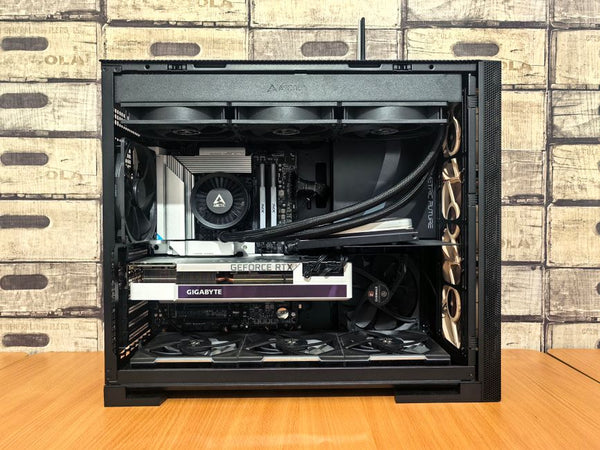
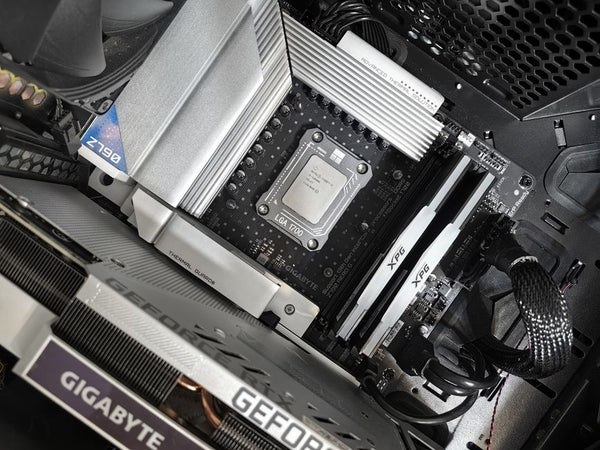
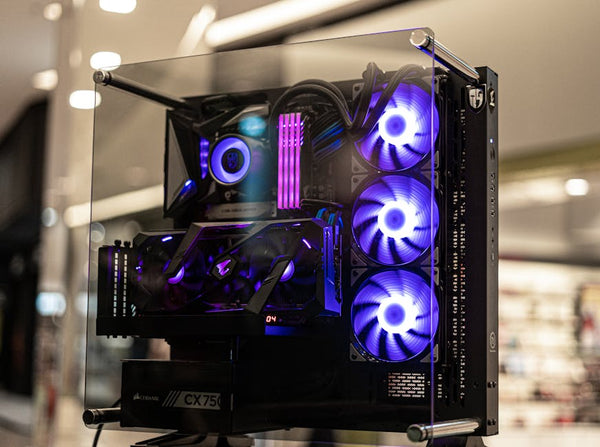
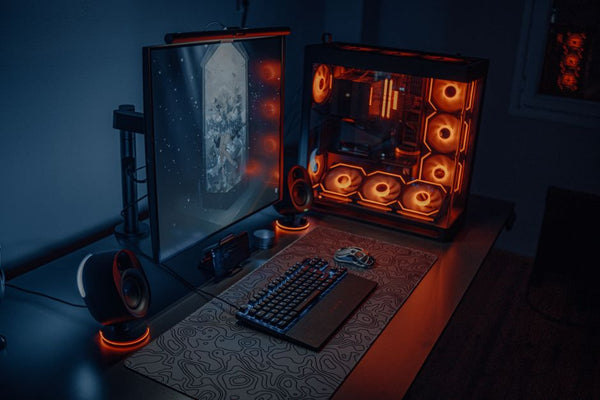
This is where custom builds start making sense again. While Apple Silicon dominates certain AI workloads, a well-configured PC can still handle most tasks without the wait times or premium pricing. Build your custom gaming PC with BitCrate and you'll have something that can game, create content, and even dabble in AI — all without waiting for Apple to fix their supply chain.
Sure, you won't get that unified memory magic, but you'll get flexibility, upgradeability, and availability. Sometimes that matters more than theoretical peak performance.
Looking Ahead: When Will This Madness End?
Cook's timeline suggests we're looking at several more months of shortages, possibly stretching into summer 2024. That's assuming demand doesn't spike even higher as more developers discover the joys of local AI processing.
The bigger question nobody's asking: what happens when Apple releases M3 Ultra systems? Will current shortages look quaint compared to the stampede for even more powerful AI-optimized hardware?
Tbh, I'm not sure this shortage pattern breaks anytime soon. AI development isn't a fad that's going away, and Apple has inadvertently positioned themselves as the premium choice for local AI work. They're going to need more than manufacturing tweaks — they need a fundamental rethink of their production forecasting.
The AI revolution is eating Apple's lunch, one Mac Studio at a time. And frankly, it's just getting started.








Leave a Comment