


Framework's RTX 5070 12GB Module Costs $1,199 — Welcome to Modular Laptop Hell
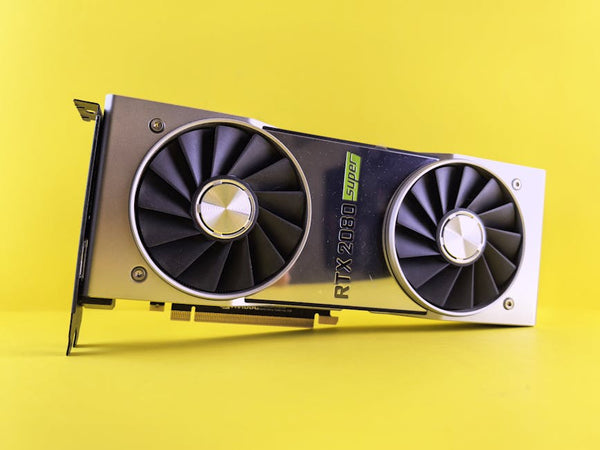
Framework just dropped their new RTX 5070 12GB graphics module and bro, I'm genuinely speechless. $1,199. For a laptop GPU. That's not a typo — they're asking twelve hundred dollars for what's essentially the same RTX 5070 mobile chip but with extra VRAM.
To put this insanity into perspective, their 8GB version costs $699. So you're paying a 72% premium for 4GB more memory. That's $125 per gigabyte of additional VRAM. What the actual hell?
The Math Makes Zero Sense for Any Gaming PC Build
Let's be real here. Framework claims the pricing is "beyond their control," but that's corporate speak for "NVIDIA is charging us out the ass and we're passing it straight to you." The RTX 5070 mobile and desktop versions are essentially identical silicon — same 4608 CUDA cores, same boost clocks around 2.5GHz, same everything except power limits.
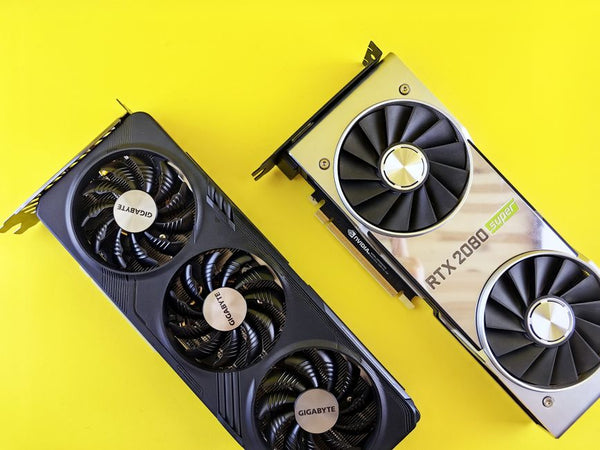
You know what $1,199 gets you in the real world? A desktop RTX 5070 Ti when it launches, probably. Or right now, you could snag an RTX 4080 Super for around $999-1049. Hell, even the desktop RTX 5070 that just launched is sitting at $549 MSRP for the 12GB variant.
Why would anyone pay double for the mobile version? The modular laptop dream is turning into a nightmare.
Framework's Positioning Problem
Don't get me wrong — I genuinely respect what Framework's trying to do. Modular laptops are cool in theory. Right to repair matters. But this pricing structure makes their entire value proposition crumble faster than a stock Intel cooler under a 14900K.
When I was working on a custom gaming PC build at our shop here in Orange, TX last week, a customer asked about Framework laptops as an alternative. After seeing these prices, that conversation got real short real quick.
The problem isn't just the sticker shock. It's that Framework's supposedly selling modularity and upgradability, but at these prices, you're better off buying an entire new gaming laptop every few years. A decent RTX 4070 gaming laptop runs $1,200-1,400 complete. Framework wants that much just for the GPU module.
NVIDIA's Mobile Tax Gets Ridiculous
Here's where things get spicy. Framework's probably telling the truth about pricing being out of their control. NVIDIA's been playing games with mobile GPU pricing for years, but this generation feels particularly predatory.
The RTX 5070 mobile uses the exact same GB206 chip as the desktop version. Same manufacturing process, same everything. Yet somehow the mobile variant commands this massive premium? That's pure NVIDIA market manipulation.
Hot take: NVIDIA knows Framework has zero alternatives for high-end mobile GPUs, so they're charging whatever they want.
AMD's nowhere to be found in the high-performance mobile space. Intel's Arc mobile chips are mid at best. Framework's stuck paying NVIDIA's ransom or offering nothing above entry-level graphics.
But honestly? Framework should've seen this coming. Banking your entire modular concept on a single vendor who's notorious for aggressive pricing was always risky.
The Real Cost of Modularity
Let's crunch some numbers that'll make you cry. A fully loaded Framework 16 with the RTX 5070 12GB module runs about $2,800-3,200 depending on RAM and storage. For that money, you could build an absolute monster desktop setup.
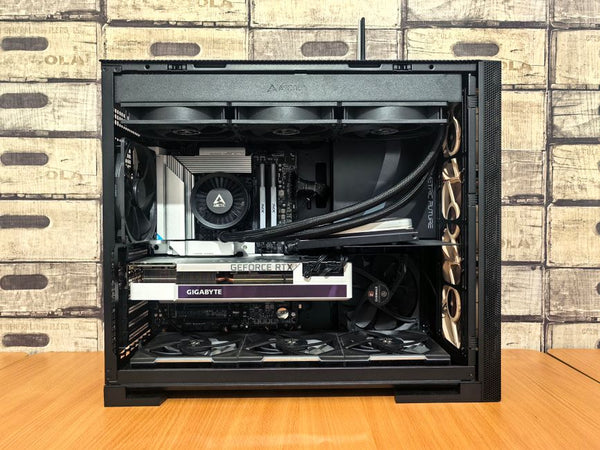
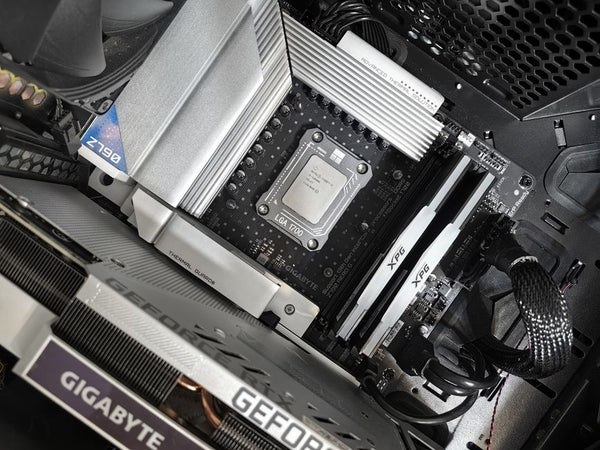
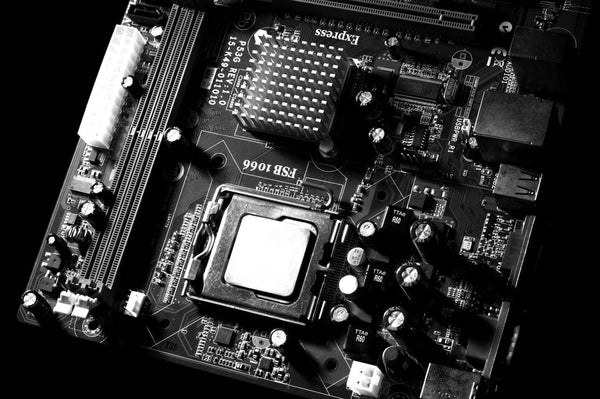
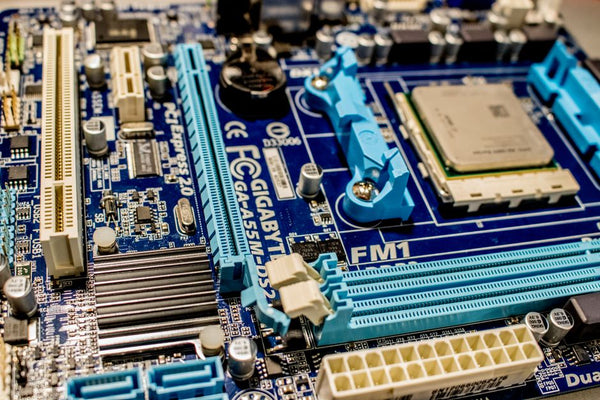
Consider this alternative: grab an RTX 5070 desktop for $549, pair it with a solid B650 motherboard ($150), Ryzen 7600X ($229), 32GB DDR5 ($180), 2TB NVMe ($200), decent case and PSU ($200), and you're at $1,508. That leaves you $1,200+ for peripherals, multiple monitors, whatever.
The desktop version smokes the mobile chip in every benchmark too. Desktop RTX 5070 pulls around 220W max, while the mobile version's capped at maybe 140W. That's a significant performance gap you're paying extra to avoid.
Where Framework Goes From Here
Honestly, I'm not sure Framework survives long-term with this pricing strategy. The enthusiast market they're targeting isn't stupid — we know value when we see it, and this ain't it.
Maybe they should pivot harder into the productivity space? Content creators might justify these prices for Davinci Resolve workflows or AI workloads. But gamers? We're not paying $1,200 for a mobile RTX 5070 when you can shop GPUs at TieredUp Tech and get desktop cards with better performance for half the price.
Framework's modularity concept works brilliantly for things like ports, keyboards, trackpads — stuff that costs $50-150 per module. But graphics modules at desktop GPU prices? That's where the math breaks down completely.
The Bigger Picture Problem
This pricing disaster highlights everything wrong with the current mobile GPU market. NVIDIA's monopolistic behavior, OEM's inability to negotiate reasonable prices, and consumers getting squeezed from every angle.
Framework's transparency about pricing being out of their control actually makes this worse. If a company specifically built around modularity and direct sales can't offer competitive pricing, what hope do traditional OEMs have?
The gaming laptop market's already struggling with desktop alternatives looking more attractive every quarter. Framework just made that gap wider instead of closing it.
Look, I wanted Framework to succeed. Right to repair matters, modularity's genuinely cool, and their engineering's solid. But at $1,199 for a mobile RTX 5070, they're pricing themselves into irrelevance. That's not sustainable business — that's just expensive virtue signaling.
NVIDIA's winning this round, but everyone else loses. Including us.
























Leave a Comment