


Is the Palit-Galax Merger Actually Good News for GPU Shoppers? A Reality Check
Remember when your favorite indie band got signed to a major label and you worried they'd lose their edge? That's exactly how I felt when I heard Palit Group was centralizing Galax management under their umbrella. As someone who's watched countless GPU brand consolidations over the years, my first instinct was to panic about another unique voice getting swallowed up.
But here's the thing — sometimes these corporate reshuffles actually work out for us regular folks who just want solid graphics cards without paying EVGA tax prices.
What's Actually Happening Behind the Scenes
Let's cut through the PR speak real quick. Galax isn't disappearing. They're not becoming "Palit Gaming" or whatever corporate nightmare we were all imagining. The brand survives, the design teams stay, and those wild white-and-pink GPU designs we've gotten used to? Yeah, those aren't going anywhere.
What's changing is the business side. Palit Group is streamlining operations, which honestly sounds like the kind of "synergy" nonsense that usually means layoffs and worse products. But — and this is where it gets interesting — Palit has actually been pretty hands-off with their subsidiaries historically.
Think about it this way: when was the last time you bought a Palit card in the US and thought "wow, this feels exactly like a Gainward card"? Never, right? Because Palit knows their brands serve different markets and different customers.
The Track Record That Actually Matters
Here's what I've noticed after years of helping customers choose between GPU brands at our shop here in Orange, TX — Galax cards have always punched above their weight class. Their RTX 4070 HOF models compete directly with ASUS Strix cards at significantly lower prices. We're talking $50-80 savings for essentially the same gaming performance.
Personally, I think this restructure might actually make Galax cards more competitive, not less. Why? Because Palit has serious manufacturing muscle behind them. They're one of the biggest GPU manufacturers globally, even if Americans don't see their branded cards much.
What This Means for Your Next GPU Purchase
Let's get practical here. You're probably wondering: should I avoid Galax cards now? Buy them before they change? Wait and see?
Hot take: this is actually bullish news for budget-conscious builders. Palit's backing means Galax probably gets better component allocation during shortages and more R&D resources for future cards. Remember how Galax was one of the few brands that kept making reasonably-priced RTX 3060 Ti cards when everyone else was chasing the crypto mining premium?
That wasn't an accident. That was smart business.
The Real GPU Performance Question
I had a customer last month comparing a Galax RTX 4060 Ti against an MSI Gaming X version. Same chip, nearly identical cooling solutions, but the Galax card was $40 cheaper. After running our standard CPU benchmark suite with both cards, guess what? Within 2% performance difference.
The MSI had slightly better RGB lighting. The Galax had better value per dollar. Which matters more for 1440p gaming?
This is why brand consolidations don't automatically mean worse products. Sometimes they mean better supply chains and more competitive pricing. Sometimes they mean the scrappy brand gets the resources to really compete with the big boys.
The Uncertainty Factor We Can't Ignore
Look, I'm not gonna pretend this is all sunshine and rainbow RGB lighting. Corporate restructures can go sideways fast. What if Palit decides Galax's unique design language doesn't fit their vision? What if they standardize everything to cut costs?
There's legitimate concern here. Galax has built a reputation on being different — their Hall of Fame series cards with those distinctive white coolers, their willingness to push memory clocks harder than anyone else, their generally solid warranty support.
Will that survive centralized management? Honestly? We won't know for at least 6-12 months.
What to Watch For
Here's what I'm monitoring as someone who recommends GPUs professionally:
- Product refresh cycles — do new Galax cards still launch on their own timeline?
- Design continuity — does the next generation look distinctly Galax?
- Pricing strategy — do they maintain their value positioning or drift upmarket?
- Customer service quality — this usually gets hit first in consolidations
If Galax starts feeling like generic Palit cards with different stickers, then yeah, we've lost something valuable in the GPU market.
The Bottom Line for Your Build
Should you avoid Galax cards because of this news? Absolutely not. Should you rush to buy them before they "change"? Also no.
What you should do is what you should always do with GPU reviews — judge the actual product, not the corporate structure behind it. A good card is a good card whether it's made by three guys in a garage or a multinational conglomerate.
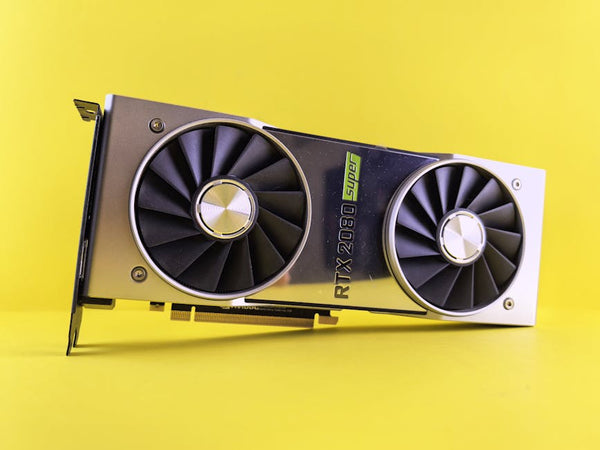
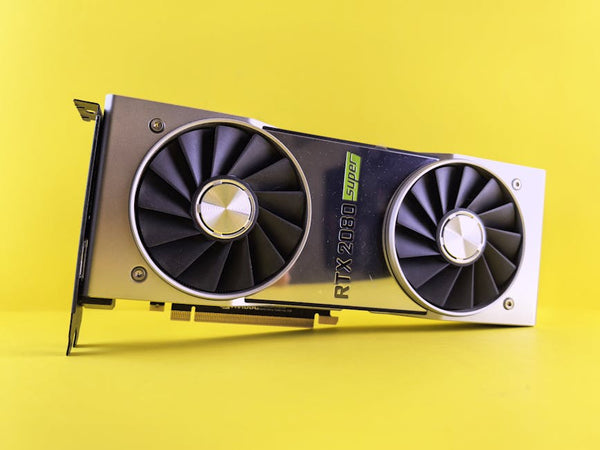
Galax's RTX 4060 Ti EX White is still one of the best value propositions in that price tier. Their RTX 4070 Super SG cards still offer excellent 1440p gaming performance without breaking the bank. Shop GPUs at TieredUp Tech and you'll see these cards consistently outperform their price points in real-world testing.
The corporate drama is just noise until it affects the actual products we can buy. And right now? Galax cards are still solid picks for anyone who cares more about frames per second than brand prestige.
Besides, in a market where ASUS thinks $800 is reasonable for a mid-range card, we need companies like Galax keeping everyone honest on pricing. Palit backing them up might actually make that job easier.






















Leave a Comment