


Fake Ledger Nano S+ Hardware Wallets: How Counterfeit PC Components and Crypto Tech Are Getting Scary Good
So there I was, scrolling through AliExpress at 2 AM (don't judge), when I spotted what looked like a legitimate Ledger Nano S+ hardware wallet for $35. For context, these things retail for $79, so my bargain-hunting brain immediately lit up like finding a foil Charizard in a dollar pack. Big mistake.
The story gets wild. A cybersecurity expert recently bought one of these "deals" from China, expecting obvious junk. Instead? He got a clone so convincing it would've fooled 90% of people walking into any tech shop. We're talking about hardware that looks identical, feels identical, and even runs firmware that mimics the real deal perfectly.
This isn't just about crypto wallets though. The same manufacturing techniques creating these scary-good counterfeits are bleeding into PC components, gaming hardware, and pretty much every piece of computer tech you can imagine.
The Counterfeit Hardware Game Has Leveled Up
Remember when fake products were obviously fake? Crooked logos. Cheap plastic. Spelling errors everywhere.
Those days are done.
The Ledger clone our cybersecurity friend discovered had packaging that matched official Ledger branding down to the font choices. The device itself? Same weight, same materials, even the same holographic stickers. The only giveaway was connecting it to Ledger Live software, which threw an error about unofficial firmware.
But here's the terrifying part: most newbies wouldn't even get that far before the phishing attack started.
See, these fake wallets don't just look real – they come preloaded with malicious firmware designed to steal your crypto. The moment you set up your "wallet," the attackers already have your seed phrase. It's like buying what you think is a GTX 4070, only to find out it's actually mining cryptocurrency for someone else while pretending to run your games.
Why PC Components Face the Same Threat
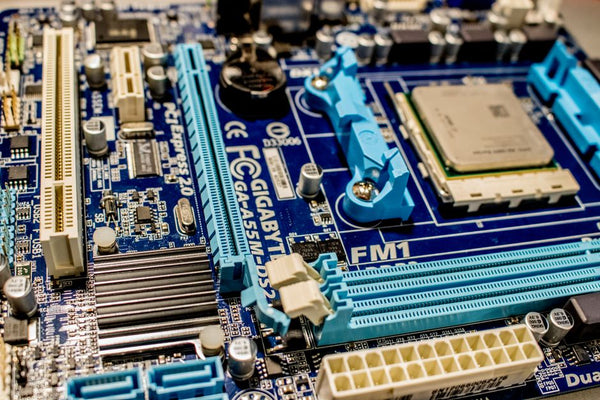
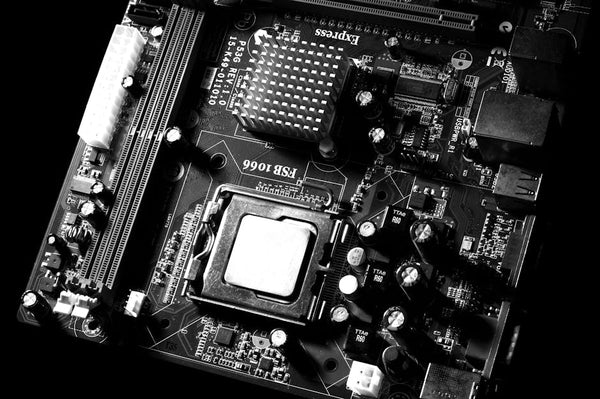
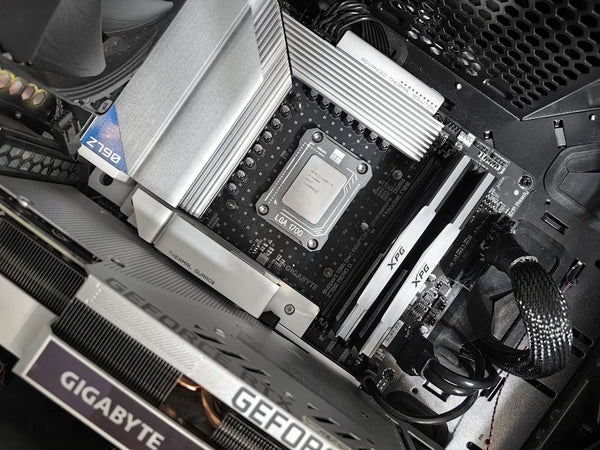
Working at our shop here in Orange, TX, I've seen this trend creeping into gaming hardware too. Last month, a customer brought in what looked like a perfectly legitimate ASUS ROG motherboard. Box was perfect. Holographic stickers? Check. Even the plastic wrap looked factory-fresh.
The board itself was a different story. Cheaper capacitors. Wrong revision numbers etched into the PCB. Most telling? The BIOS was a modified version that would've eventually started causing "mysterious" crashes after the return period expired.
Honestly, if that customer hadn't specifically asked us to verify the board before installation, we might not have caught it either. The visual inspection was flawless. Only when we started digging into technical specifications did the cracks show.
The Manufacturing Reality
Here's what's happening: the same factories producing legitimate hardware often run "ghost shifts" creating unauthorized copies. They've got the same equipment, same materials, sometimes even the same workers. The only difference? No quality control and definitely no ethical oversight.
For crypto wallets, this means malicious firmware gets baked right into otherwise perfect hardware. For PC components, it might mean substandard materials or modified circuits that fail after warranty periods expire.
The gap between legitimate products and high-quality counterfeits has shrunk to almost nothing – except for the part where counterfeits are designed to rob you blind.
Red Flags That Actually Matter Now
Forget obvious tells like broken English or clearly fake logos. Modern counterfeits require detective-level scrutiny.
Price remains the biggest indicator. That $35 Ledger? Should've been an instant red flag. But counterfeiters are getting smarter about pricing too. They're selling at 10-15% below retail instead of 50% off, making the "deals" seem realistic.
Serial numbers help, but only if you verify them. Both Ledger and major PC component manufacturers maintain databases where you can check if your serial number is legitimate. Takes thirty seconds and could save you thousands.
For computer parts specifically, watch for:
- Packaging that's slightly off-color or uses different fonts
- Missing or incorrect regulatory markings (FCC, CE, etc.)
- Software that won't authenticate with manufacturer tools
- Unusual shipping origins for "new" products
But tbh, the most reliable method is buying from authorized dealers. Sure, you might pay 5% more, but that's basically insurance against getting scammed.
The Phishing Pipeline
What makes the crypto wallet situation extra nasty is how the scam continues after purchase. You're not just buying fake hardware – you're enrolling in an ongoing theft operation.
The fake Ledger comes with a QR code that directs you to a convincing replica of the official setup website. Everything looks perfect until you enter your seed phrase, which immediately gets transmitted to the scammers. From there, they just wait for you to load crypto onto "your" wallet before draining it.
It's like if buying a fake graphics card also installed keyloggers on your entire system. The hardware failure is just the beginning of your problems.
Gaming Hardware Gets the Same Treatment
SSDs are probably the worst offenders in PC components right now. Counterfeit Samsung 980 PROs and WD Black drives are everywhere, often with modified firmware that reports false capacities. You think you're getting 2TB of storage, but you're actually getting 256GB that loops back on itself once it fills up.
Hot take: I'd rather have my crypto stolen than lose years of game saves to a fake SSD. At least with crypto, you know immediately when you've been robbed.
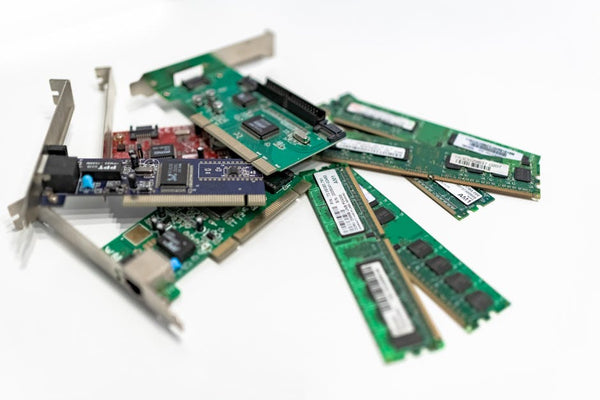
RAM is another problem area. Fake Corsair and G.Skill sticks with downclocked chips and misleading SPD information. They'll pass basic tests but fail spectacularly under gaming loads, causing random crashes that are hell to diagnose.
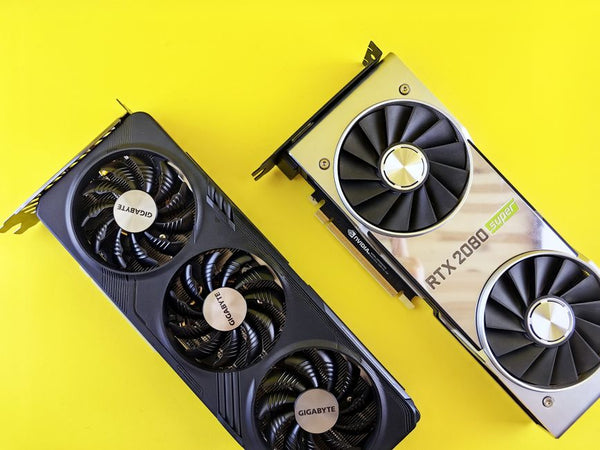
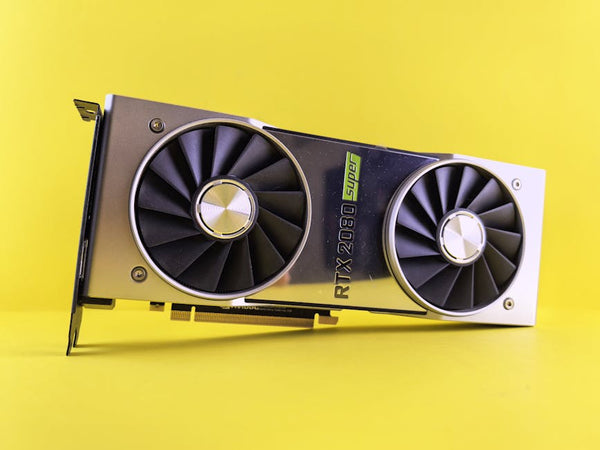
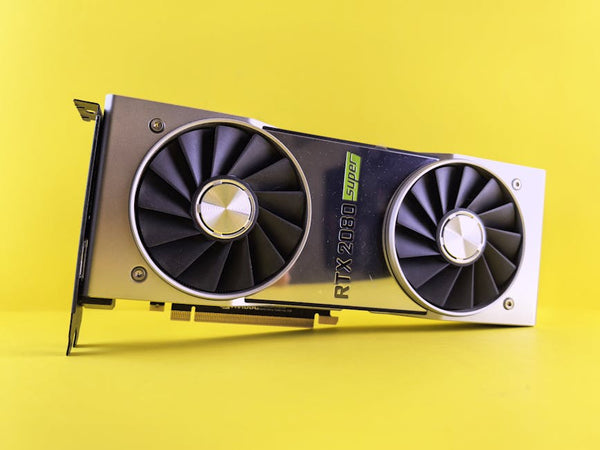
Graphics cards thankfully remain harder to fake convincingly, mainly because the performance gap is immediately obvious. Hard to fake RTX 4080 performance with a 1060 underneath, no matter how good your shroud game is.
The Authentication Arms Race
Manufacturers are fighting back with increasingly sophisticated anti-counterfeiting measures. NVIDIA's newer cards have blockchain-verified authenticity certificates. Intel's processors include unique cryptographic signatures. Even RAM manufacturers are adding QR codes that link to verification databases.
Problem is, counterfeiters are keeping pace. They're creating fake QR codes that redirect to their own "verification" sites. Some are even hacking into legitimate verification systems to add their fake serial numbers.
It's like watching a TCG arms race between more sophisticated printing techniques and anti-counterfeiting measures, except the stakes are your actual money instead of cardboard rectangles.
What This Means for Your Next Build
Personally, I think we're heading toward a world where authentication becomes as important as performance specs. When building your custom gaming PC, you'll need to verify every component's legitimacy just like you'd check every rare card in a high-value trade.
The good news? Legitimate retailers are stepping up their game too. More shops are implementing verification processes and offering guarantees against counterfeits. The bad news? This adds friction to every purchase and potentially raises prices across the board.
For crypto specifically, the solution is simple: only buy hardware wallets directly from the manufacturer or authorized dealers. That $20 savings isn't worth losing your entire portfolio.
For PC components, stick to reputable retailers and always verify serial numbers when possible. If a deal seems too good to be true, it probably involves compromised hardware designed to fail or steal from you.
The Bigger Picture
This trend represents something scarier than individual scams. We're looking at the industrialization of counterfeiting, where organized operations can produce convincing fakes at scale. The Ledger situation proves they're willing to invest serious resources into long-term theft operations.
What happens when they start targeting gaming peripherals with keyloggers? Or motherboards with backdoors? The hardware you trust to keep your data safe could be the exact thing stealing it.
The cybersecurity expert who discovered this Ledger clone estimates that thousands of people have already fallen for these specific counterfeits. Each victim loses their entire crypto holdings, often without realizing they were robbed until it's too late.
That's not just a crypto problem – it's a preview of what sophisticated counterfeiting can do to any technology market. Your next graphics card, SSD, or even USB cable could be part of a similar scheme.
The solution isn't paranoia, but it is vigilance. Check serial numbers. Verify purchases. Buy from sources you trust. Because in 2024, even the hardware designed to protect you might be designed to rob you instead.














Leave a Comment