


New HUDIMM Memory Spec Could Save Your Gaming PC Build During DDR5 Shortages
DDR5 prices got you crying into your mechanical keyboard? Same, bro. But ASRock just dropped something that might actually help your wallet survive the next custom gaming PC build. They're calling it HUDIMM – and before you ask, no it's not some weird acronym for "Hold Up, I'm Broke."
This new memory standard cuts bandwidth and capacity in half compared to regular DDR5. Sounds terrible on paper, right? But here's the kicker – it could slash prices during these brutal RAM shortages we've been dealing with.
What Actually Is HUDIMM Memory?
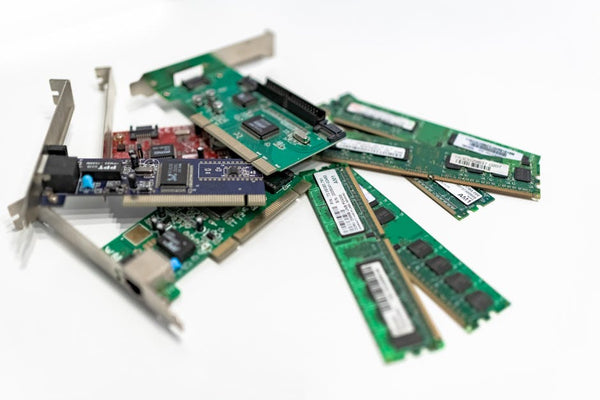
HUDIMM is basically DDR5's budget cousin. Normal DDR5 uses two 32-bit subchannels to populate that 64-bit wide bus your motherboard expects. That means more memory ICs per stick, which means more money per stick.
HUDIMM? Just one 32-bit channel. Half the complexity, half the cost. TeamGroup's already manufacturing these bad boys, and they'll work in most LGA setups. The wild part is you can actually mix HUDIMM with regular DDR5 sticks in the same system.
Think of it like this – if DDR5 is a dual-carriageway highway, HUDIMM is a single lane. Still gets you there, just not as fast.
The Real-World Gaming Impact
Let's talk frames, not theory. Half bandwidth sounds scary when you're pushing 240Hz in Valorant or trying to maintain stable 1% lows in Cyberpunk 2077. But honestly? Most games aren't that memory bandwidth hungry.
I've seen plenty of gaming rigs running older DDR4-3200 that still absolutely demolish modern titles. The bottleneck usually isn't your RAM speed – it's your GPU crying for mercy or your CPU thermal throttling because you cheaped out on cooling.
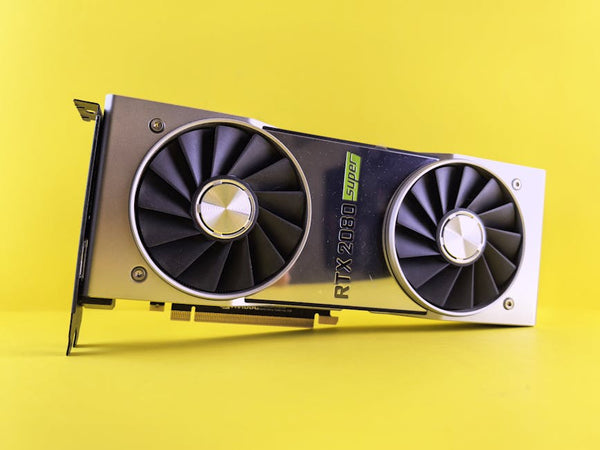
Personally, I think HUDIMM could be solid for budget builds where you're pairing something like an RTX 4060 with a Ryzen 5 7600. You're not gonna be maxing out that memory bandwidth anyway when your GPU is the limiting factor.
Price vs Performance Reality Check
Here's where it gets spicy. DDR5-5600 32GB kits are still hitting $200+ during shortages. That's brutal for anyone trying to build a decent gaming PC build without selling a kidney.
If HUDIMM can deliver 75% of the performance for 50% of the cost? That's actually a W for most gamers. Not everyone needs to push 400fps in CS2.
The capacity thing is trickier though. With games like Call of Duty eating 100GB+ and Chrome being Chrome, 16GB is becoming the new minimum. HUDIMM's half-capacity limitation means you might need more sticks to hit your target. But if those sticks are way cheaper, the math could still work out.
Mixing and Matching: The Technical Details
ASRock claims you can run HUDIMM alongside regular DDR5. That's actually pretty huge for upgrade paths. Start with cheaper HUDIMM when you're broke, add proper DDR5 later when prices chill out.
But here's the thing nobody's talking about – mixed memory configs can be janky. Different timings, different speeds, different manufacturers... it's a recipe for stability headaches. I've seen too many builds crash randomly because someone mixed incompatible memory kits.
The real question isn't whether HUDIMM works – it's whether motherboard manufacturers will properly support these mixed configurations without constant BIOS updates.
Who Should Actually Consider HUDIMM?
Hot take: HUDIMM isn't for everyone. If you're building a high-end rig with an RTX 4080 or 4090, just bite the bullet and get proper DDR5. You didn't spend $1500 on a GPU to bottleneck it with budget memory.
But for mid-range builds? This could be clutch. Especially if you're working with those common-tier builds starting under $800 where every dollar matters.
I was helping a customer last week at our shop here in Orange, TX configure a 1440p gaming build on a tight budget. DDR5 was eating like 25% of his entire budget. HUDIMM could've freed up cash for a better GPU or faster SSD.
The Timing Problem
Here's my biggest concern with this whole HUDIMM thing – timing. DDR5 prices are already starting to normalize compared to the disaster pricing we saw in 2022-2023. By the time HUDIMM gets proper market adoption, regular DDR5 might be affordable enough to make this irrelevant.
It's like when DDR4 prices finally dropped right before DDR5 launched. Great timing, guys.
Plus, with Intel's next-gen platforms and AMD's future chips probably optimized for full DDR5 performance, HUDIMM might end up being a short-term solution to a problem that's already fixing itself.
The Bottom Line for Your Next Build
Should you wait for HUDIMM? Probably not. Should you consider it if it's available when you're building? Maybe, depending on your use case.
For competitive gamers chasing every frame, stick with proper DDR5. For casual gamers building budget rigs, HUDIMM could be a solid way to allocate more budget toward GPU performance where it actually matters.
The memory industry loves creating new standards. Sometimes they're legit improvements, sometimes they're solutions looking for problems. HUDIMM feels like it could go either way depending on how aggressively manufacturers price it.
ngl though, anything that makes PC building more accessible gets a thumbs up from me. Just don't expect HUDIMM to revolutionize your gaming experience – it's more about keeping your bank account happy while still delivering playable performance.
Keep an eye on early reviews when TeamGroup's HUDIMM kits hit the market. Real-world gaming benchmarks will tell the whole story better than any spec sheet ever could.












Leave a Comment