


Minisforum N5 Max NAS Review: AMD Strix Halo Powers This $2,899 Beast
Minisforum just dropped specs for their upcoming N5 Max NAS, and honestly? I'm conflicted. This thing packs AMD's Strix Halo APU into a network storage box that costs nearly three grand. That's serious money for what they're calling an "AI NAS" — but is it actually worth it for gamers and content creators?
Let me be straight with you. The N5 Max isn't launching until April 23, 2026, which means we're looking at vaporware pricing right now. But Minisforum's track record with their mini PCs has been solid, so I'm giving them the benefit of the doubt here. The real question is whether AMD's Strix Halo can justify that astronomical price tag.
AMD Strix Halo: The GPU Performance That Matters
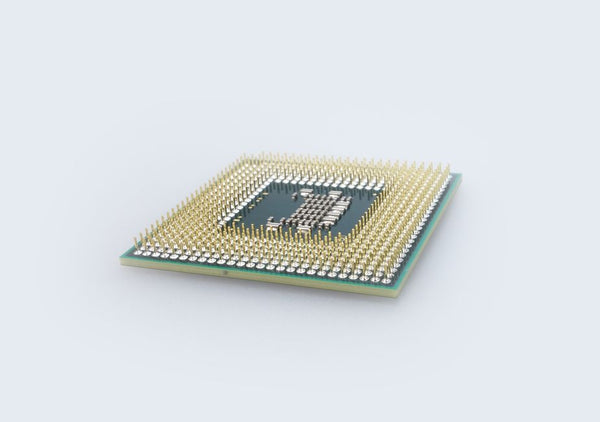
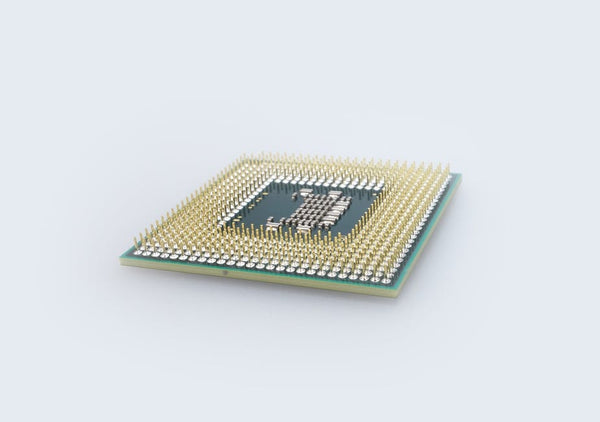
Strix Halo isn't your typical APU. We're talking about a chip that supposedly delivers discrete GPU-level performance in an integrated package. For a NAS, that sounds overkill until you realize what Minisforum is actually selling here.
The AI angle makes more sense when you consider Strix Halo's compute units. This isn't just file storage — it's a local AI processing hub that can handle video transcoding, real-time analytics, and machine learning workloads without breaking a sweat. That's legitimately useful for streamers who want to process their content locally instead of relying on cloud services.
But here's my hot take: most people don't need AI in their NAS. You want fast file access, reliable backups, and maybe some Plex transcoding. The N5 Max feels like Minisforum throwing every buzzword at the wall to justify premium pricing.
200TB Capacity Sounds Impressive, But...
The 200TB maximum capacity is solid on paper. That's enough raw storage for massive game libraries, 4K video projects, or decades of family photos. When I was helping a customer at TieredUp Tech in Orange, TX last month configure a similar setup, we hit around 60TB for their entire household's digital life.
Most users won't touch 200TB. Ever.
The real question is pricing per terabyte and what kind of RAID configurations this thing supports. Minisforum hasn't released those details yet, which makes me suspicious. Are we looking at proprietary drive caddies? Hot-swappable bays? The devil's in the implementation details they're not talking about.
Gaming Performance Reality Check
Let's talk about why gamers might actually care about this NAS. If Strix Halo delivers on its promises, the N5 Max could handle game streaming, automated video editing, and local AI processing simultaneously. That's genuinely compelling for content creators who game.
Imagine recording your Valorant highlights, having the NAS automatically clip your best plays using AI, and uploading them to your streaming platform while you're still fragging. The processing power is definitely there with Strix Halo's architecture.
But $2,899 though? You could build a dedicated gaming rig and separate NAS for that money and probably get better performance in both categories. The convenience factor has to be worth the premium, and I'm not convinced it is for most people.
OpenClaw Pre-Installation: Marketing Gimmick?
Minisforum is making a big deal about pre-installing OpenClaw, their AI management software. Honestly, this feels like they're trying too hard to justify the "AI NAS" branding. Most serious users are going to wipe whatever comes pre-installed and set up their own solution anyway.
The real value would be in the hardware configuration and driver optimization, not some proprietary software layer that'll probably get abandoned after two firmware updates. We've seen this story before with enthusiast hardware.
CPU Benchmark Expectations vs Reality
Without actual CPU benchmark data, we're speculating based on AMD's Strix Halo specifications. The architecture should deliver impressive multi-threaded performance for NAS workloads, but at what power consumption?
NAS boxes run 24/7. Power efficiency matters more than peak performance in this use case. If the N5 Max pulls 150+ watts under load, your electricity bill becomes part of the total cost of ownership. Minisforum needs to address this before launch.
Personally, I think they should've gone with a lower-power chip and focused on storage performance rather than chasing AI benchmarks. Most NAS bottlenecks happen in the storage subsystem, not the CPU.
The Timing Problem
April 2026 is lifetimes away in tech years. AMD will probably have next-gen APUs by then. Intel's competing solutions will be cheaper and more mature. The storage landscape will evolve significantly.
Why announce pricing two years early? It screams of trying to generate buzz without having a finished product. That makes me nervous about whether this thing will actually ship at the announced specs and price point.
Who Actually Needs This Beast?
The N5 Max makes sense for a very specific user: content creators with massive storage needs who want local AI processing and don't mind paying premium prices for integrated solutions.
Everyone else should probably look elsewhere. Traditional NAS solutions from Synology or QNAP offer better value for pure storage needs. Building a custom solution gives you more flexibility and performance per dollar.
But if you're running a small studio, managing multiple creators' workflows, and need serious compute power alongside storage? The N5 Max might actually justify its price tag. That's a tiny market though.
The storage industry loves chasing enterprise features that sound impressive but don't solve real problems for most users. The N5 Max feels like another example of this trend.
The real test will be whether Strix Halo's integrated graphics can handle multiple 4K transcoding streams while running AI workloads. That's where this NAS will live or die.
Tbh, I'm more excited about seeing what custom gaming PC builds we can create with Strix Halo chips when they hit the market. The NAS application feels forced, but the underlying hardware has serious potential for gaming rigs.
Two years is a long time to wait for validation, but the N5 Max represents where high-end storage is heading. Whether that's a good thing depends entirely on your wallet and workflow requirements. For most gamers? This is cool tech you'll never actually need.












Leave a Comment