


Why Nvidia's H200 China Drama Affects Your Gaming PC Build More Than You Think
Remember when everyone freaked out about GPU shortages during COVID? Well, we might be heading toward another one, and this time it's not crypto miners causing the chaos. U.S. Commerce Secretary Howard Lutnick just dropped some interesting intel: despite lifting restrictions four months ago, Nvidia hasn't sold a single H200 AI GPU to China. Why? Because China's basically giving them the cold shoulder, trying to prop up their own chip industry instead.
Now you're probably thinking, "Sarah, I just want to play Baldur's Gate 3 at 4K — why should I care about AI chips?" Fair question. But here's the thing that keeps me up at night: this geopolitical chess match is already messing with the entire GPU ecosystem in ways that'll hit your wallet hard.
The Ripple Effect Nobody's Talking About
When I was helping a customer at TieredUp Tech configure a custom gaming PC build last week, they asked if they should wait for RTX 5000 series cards. Honestly? I didn't have a great answer, and this China situation is exactly why.
Nvidia's manufacturing capacity isn't infinite. Every H200 they're not selling to China? That's production bandwidth that could be making RTX 4090s or future gaming cards cheaper. But it's not that simple. China blocking these imports isn't just about national pride — it's strategic warfare against U.S. tech dominance.
The Chinese government is essentially telling their companies: "Yeah, we know Nvidia's chips are better, but use domestic alternatives anyway." It's like if your mom insisted you eat store-brand cereal because it's "just as good" as the name brand. Spoiler alert: it's usually not.
What This Means for Gaming Hardware Prices
Here's where things get spicy for us regular gamers trying to build a solid gaming PC. Nvidia's been counting on AI revenue to subsidize gaming GPU development. No Chinese AI sales means less money flowing back into R&D for the cards we actually want to buy.
I've seen this playbook before during my GameStop days. Remember when Xbox One manufacturing got weird because of component shortages? Same energy, different decade. Companies start prioritizing their highest-margin products, and guess what gets the short end of the stick?
The H200 retails for around $30,000-$40,000 per unit. That's roughly the price of a fully loaded Model Y Tesla. One AI chip could buy you 15-20 high-end gaming PCs.
When you're looking at margins like that, gaming GPUs start looking like pocket change. This is lowkey terrifying for anyone planning a PC build guide around future hardware availability.
China's Playing the Long Game (And We're All Pawns)
Let's be real about what's happening here. China isn't blocking Nvidia imports because they hate money — they're doing it because they're trying to build their own semiconductor empire. Companies like Biren Technology and Moore Threads are getting massive government backing to create domestic alternatives.
Are these Chinese chips as good as Nvidia's? Ngl, not even close right now. But that's not the point. The point is creating an entire parallel ecosystem that doesn't rely on U.S. technology. It's actually pretty smart, if you think about it from their perspective.
But here's where I start getting nervous: this isn't just about AI chips anymore. China's pushing domestic alternatives for everything semiconductor-related. Graphics cards, CPUs, memory — the whole stack. What happens when they succeed enough that global pricing dynamics shift?
The Gaming GPU Secondary Effects
Personally, I think we're already seeing the beginning of this shift. Have you noticed how RTX 4060 pricing has been weirdly stubborn compared to previous generations? Part of that is Nvidia focusing on AI margins, but part of it is also uncertainty about future market dynamics.
When companies can't predict geopolitical outcomes, they hedge by keeping prices higher and inventory tighter. It's basic risk management, but it sucks for consumers who just want decent performance without selling a kidney.
I had a customer last month asking if a $280 RTX 4060 was a good deal. Two years ago, I would've laughed at that price point for xx60-tier performance. Now? It's honestly not terrible, which is kind of depressing.
Should You Build Now or Wait?
This is where things get complicated, and I wish I had a crystal ball. The smart money says this China situation isn't resolving anytime soon — we're talking years, not months. Both sides are too invested in their positions to back down quickly.
For gaming PC builds, this creates a weird tension. Current-gen hardware is available but expensive. Next-gen hardware might be delayed or even more expensive because of reduced manufacturing flexibility. What's a gamer to do?
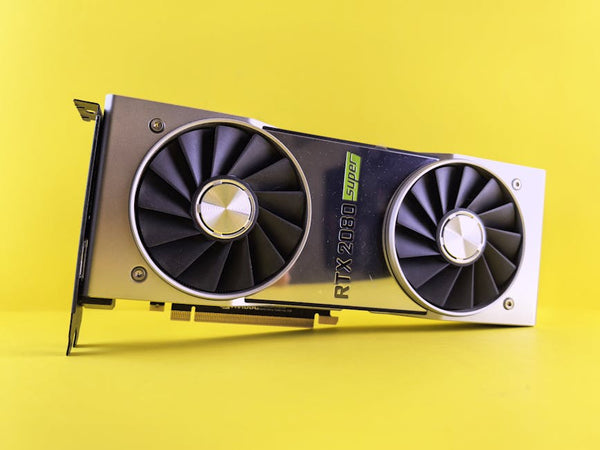
Hot take: if you need a system now, build it now. Don't wait for perfect conditions that might never come. The RTX 4070 Super is a solid card that'll handle anything you throw at it for the next 3-4 years. Yes, it costs more than we'd like, but waiting for some hypothetical better future might leave you waiting forever.
Budget Builds Are Your Friend Right Now
Here's some practical advice that goes against the grain: consider mid-tier builds instead of flagship hunting. The RTX 4060 Ti might not be the performance king, but it's reliable, available, and won't break your budget. Sometimes good enough is actually good enough.
I've helped dozens of customers build systems around the $800-1200 range recently, and honestly? They're getting better gaming experiences than people who spent twice as much three years ago. Modern GPUs are efficient and capable, even if they're not the absolute bleeding edge.
The other thing nobody talks about: AMD exists. I know, I know — everyone wants Nvidia because of DLSS and better ray tracing. But have you actually looked at RX 7700 XT pricing lately? It's competitive, and for 90% of games, you won't notice the difference.
The Bigger Picture Nobody Wants to Discuss
This whole situation highlights something uncomfortable about modern gaming hardware: we're increasingly dependent on geopolitical stability for our hobby. When the U.S. and China start playing trade war games, gamers become collateral damage.
It's not just Nvidia either. TSMC makes chips for everyone, and they're literally sitting between China and Taiwan tensions. Memory comes from South Korea. Assembly happens across multiple countries. One supply chain hiccup, and suddenly your planned gaming PC build becomes a lot more expensive.
Am I being paranoid? Maybe. But I've watched this industry long enough to know that external factors often matter more than actual technology advancement. The best GPU in the world doesn't help if you can't buy it at a reasonable price.
We're entering an era where tech products are becoming geopolitical tools first and consumer goods second. The Nvidia H200 situation is just the beginning. Smart builders start thinking about hardware longevity differently when replacement cycles become unpredictable.
Your next GPU might need to last longer than you originally planned. Choose accordingly, and don't assume next year's options will be better or cheaper. In this climate, they might not be either.








Leave a Comment