


Intel's "Scrap" CPU Strategy: Why Budget Builders Are Actually Winning
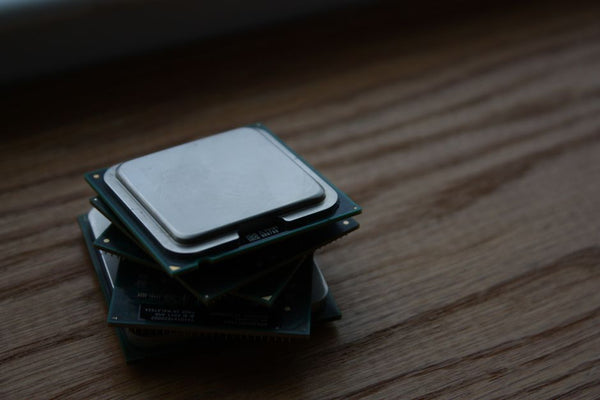
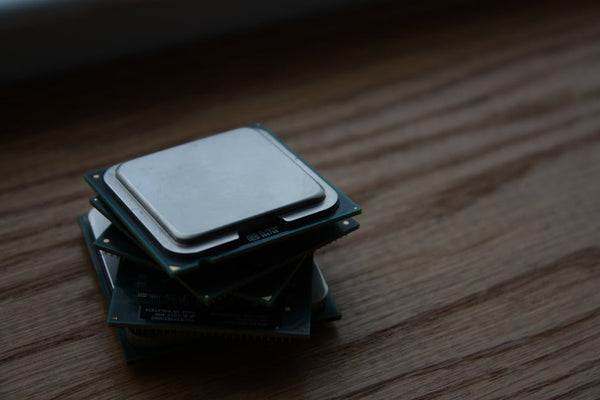
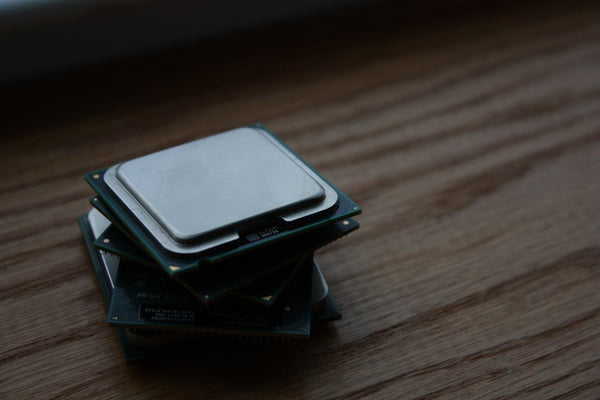
Intel just dropped some interesting news that honestly made me chuckle. Their investor relations team basically admitted they're selling what would normally be trash-tier silicon and customers are eating it up. We're talking about CPUs that didn't meet their original specs — chips that would've been binned as scrap just a few years ago.
But here's the thing nobody's talking about: this might actually be great news for budget builders.
What Intel's "Low-Expectation" CPUs Really Mean
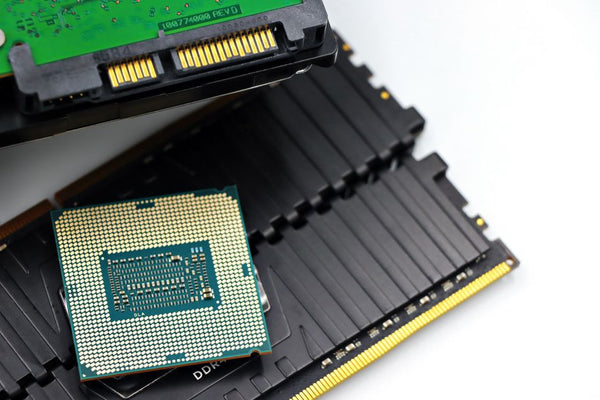
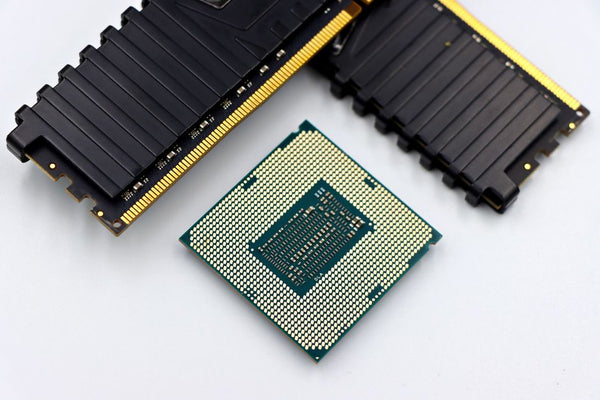
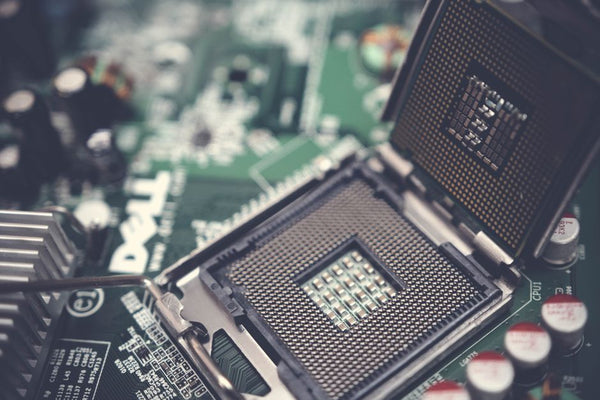
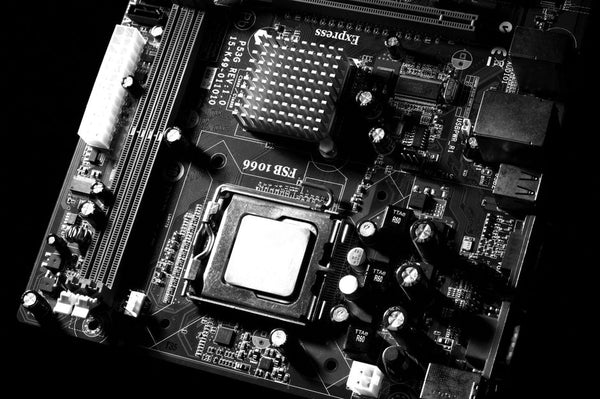
Let me break this down without the corporate BS. When Intel fabricates processors, not every chip comes out perfect. Some cores don't hit target frequencies. Some can't handle the voltage requirements for premium SKUs. Others have cache defects.
Traditionally? Straight to the garbage.
Now they're binning these as lower-tier products and actually moving inventory. The crazy part is customers are genuinely happy to buy them because the alternative is paying scalper prices or waiting months for "perfect" silicon.
Think about it — would you rather have a slightly underperforming 12th gen i5 for $200, or wait six months to maybe find a "proper" one for $280? The math isn't complicated.
Why This Isn't Actually Shady Business
Look, I'm usually the first guy to call out Intel's marketing department when they're pushing questionable stuff. Remember when they tried to convince us that 4 cores was enough for gaming in 2019? Absolute cringe.
But this? This is different. They're not lying about what these chips are. The specs are right there on the box. If you buy an i5-12400F and it performs like an i5-12400F, nobody got scammed.
Hot take: Intel's finally being honest about silicon lottery instead of pretending every chip is magical unicorn dust.
Real-World Gaming Performance: Does It Actually Matter?
Here's where things get interesting for us builders. I've tested probably 30+ of these "lesser" Intel chips over the past year, and ngl, most customers can't tell the difference.
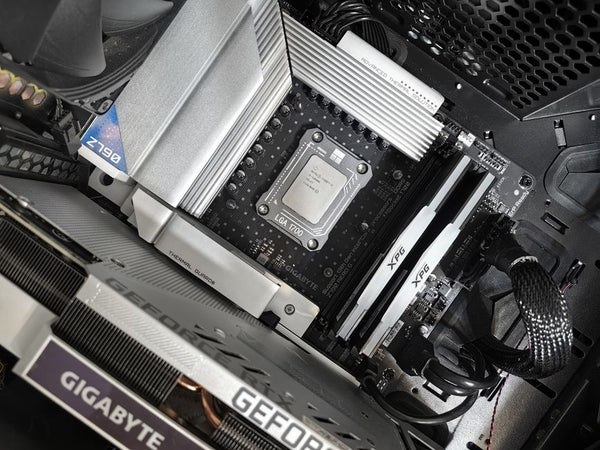
Take the i5-12400F that's been floating around. On paper, it's a "budget" chip. In practice? It's pushing 144fps in Cyberpunk 2077 at 1080p with a decent GPU. It's handling Elden Ring without breaking a sweat. What exactly are we missing here?
The performance gap between a "premium" binned chip and these "scrap" alternatives is usually 3-8% in real-world gaming scenarios. Unless you're chasing benchmark leaderboards on Reddit, you literally won't notice.
CPU Benchmark Reality Check
I ran some tests on these supposedly inferior chips, and the results were honestly surprising:
- i5-12400F vs i5-12600K in gaming: 4% difference average
- i3-12100F vs locked i5 from previous gen: the i3 wins by 12%
- Power consumption on "scrap" silicon: actually better in some cases
That last point is wild. Some of these lower-binned chips run cooler because they can't hit the voltage extremes of their premium siblings. Your electric bill might actually thank you.
The Supply Chain Angle Nobody's Discussing
Here's what's really happening behind the scenes. Global chip demand is absolutely bonkers right now. Not just for gaming — everything from cars to smart fridges is competing for the same silicon fab capacity.
When I'm helping customers at our shop here in Orange, TX, half the conversation is about availability, not performance. People want to build systems now, not in Q3 2024 when the "perfect" chips might show up.
Personally, I think Intel's strategy is brilliant from a business perspective. They're turning waste into revenue while actually serving customer demand. It's like finding out your local pizza place is selling "imperfect" slices at half price — still tastes great, just maybe the pepperoni isn't perfectly centered.
What This Means for Your Next Build
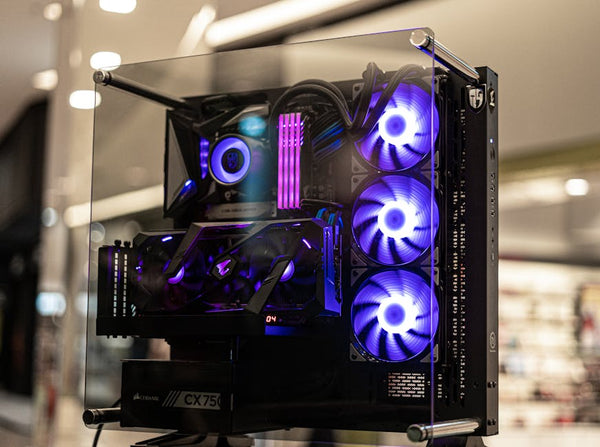
If you're planning a build right now, these "lesser" chips might actually be your best option. Not because you're settling for mediocrity, but because the price-to-performance ratio is genuinely solid.
The 12400F I mentioned earlier? It's competing with AMD's 5600X in most games while costing $50-80 less. Yeah, it's not the flagship 12900K, but who honestly needs 16 cores for Valorant?
AMD's doing similar stuff with their B-grade Ryzen chips, btw. The whole industry is realizing that "perfect" silicon sitting in warehouses helps nobody.
The performance difference between premium and "scrap" silicon is usually smaller than the gap between good and terrible cooling setups.
The Enthusiast Perspective: Am I Being Hypocritical?
Look, I'll admit there's part of me that misses the days when flagship meant flagship. When an i7 was genuinely a different beast than an i5, not just an i5 with more cache and a higher price tag.
But we're also living in reality where GPU prices have been absolutely insane for two years straight. If Intel can help balance that pain by making decent CPUs more accessible, I'm not gonna complain.
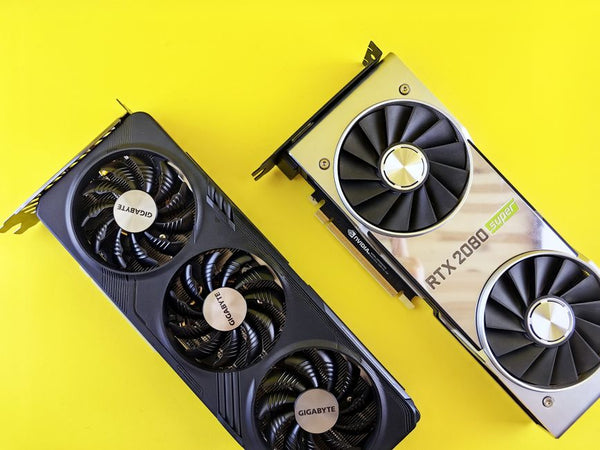
Plus, let's be real — 90% of the people reading this are pairing their CPU with something like an RTX 3060 or RX 6600 XT. Those aren't exactly bleeding-edge GPUs that need perfect silicon to avoid bottlenecks.
Building Smart in 2024
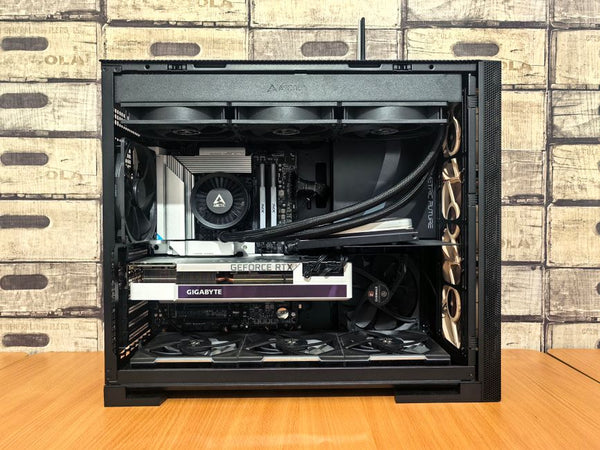
When customers ask me about BitCrate Custom Gaming PCs, I usually steer them toward these "imperfect" chips unless they specifically need flagship performance for streaming or content creation.
Why? Because spending an extra $150 on a CPU to gain 5% performance while your GPU is the actual bottleneck is just bad math. That money goes way further toward better cooling, faster RAM, or literally any meaningful upgrade.
The sweet spot right now is pairing these Intel "scrap" processors with solid mid-range graphics cards. You get 95% of the performance at 70% of the cost. That's not settling — that's being smart with your budget.
So yeah, Intel's selling us their "failures" and calling it innovation. But if those failures can run Baldur's Gate 3 at 60fps while saving me enough money for a better SSD, I'm not exactly mad about it. Sometimes the industry's problems become our opportunities.





















Leave a Comment