


How Middle East Gaming PC Components Got Caught in War's Crossfire
You know that sinking feeling when you're building the perfect gaming rig and suddenly your favorite component supplier goes dark? That's basically what happened to the entire Middle Eastern data center market — except instead of a shipping delay, we're talking about actual missiles.
The Middle East was supposed to be the next big thing for data centers and cloud infrastructure. Dubai's gleaming towers, Saudi Arabia's Vision 2030 throwing money at tech projects, Qatar building everything from scratch for the World Cup and beyond. These countries had the perfect storm: unlimited money, cheap energy, and a geographic sweet spot between Europe, Asia, and Africa.
When Everything Was Looking Perfect for Gaming Hardware Infrastructure
Just six months ago, I was talking to a customer at our shop who works in enterprise IT. He was explaining how his company was eyeing data center expansion in the region. Made total sense, tbh.
Think about it — where else could you find countries willing to drop billions on infrastructure projects? The UAE alone announced over $30 billion in data center investments. Saudi Arabia was building NEOM, their futuristic city project that sounds like something out of Cyberpunk 2077. Even smaller players like Jordan and Egypt were getting in on the action.
The gaming angle here isn't just about consumer PC components either. These data centers power everything from cloud gaming services to the servers that host our favorite multiplayer games. When Fortnite runs smoothly in Istanbul or Call of Duty doesn't lag in Cairo, that's Middle Eastern data infrastructure at work.
The Perfect Storm of Resources
What made the Middle East so attractive wasn't just the oil money — though let's be real, having unlimited budgets doesn't hurt when you're buying enterprise-grade hardware. These countries had legitimate advantages:
- Fiber optic cables running through the region connecting three continents
- Governments actually encouraging tech investment (wild concept, right?)
- Strategic location for serving both European and Asian markets
- Cheap, abundant energy to power massive server farms
I remember when AMD and NVIDIA were practically fighting over who could ship more server GPUs to the region. Data center builders were placing orders like they were buying gaming peripherals on Black Friday — except instead of $50 keyboards, we're talking million-dollar server installations.
Then Reality Hit Like a Failed GPU Overclock
October 7th changed everything. Not gradually, not with warning — instantly.
When Hamas attacked Israel and the whole region exploded into conflict, investors didn't stick around to see how it played out. Why would they? When you're planning to drop hundreds of millions on data center infrastructure, political stability isn't just nice to have — it's absolutely essential.
Personally, I think the tech industry's reaction was predictable but still brutal to watch. These companies aren't making emotional decisions about geopolitics. They're looking at risk-adjusted returns, and suddenly the Middle East looked like the riskiest bet on the board.
The Domino Effect on Gaming Hardware Supply
Here's where it gets interesting for us in the gaming space. Those massive data center orders weren't just buying generic server hardware — they were competing for the same high-end components that power our gaming rigs. When demand from hyperscalers drops off a cliff, it ripples through the entire supply chain.
Remember the great GPU shortage of 2021? That was crypto miners and data centers fighting over the same chips gamers wanted. Now we're seeing the reverse — suddenly there's less enterprise demand pulling components away from consumer markets.
Not that this makes up for the human cost, obviously. But from a purely market perspective, reduced data center investment in one region means more availability elsewhere.
What This Means for Global Gaming Hardware Markets
The shift is already happening. Projects that were planned for Dubai are moving to Singapore. Saudi investments are being redirected to European facilities. Qatar's grand plans? On indefinite hold.
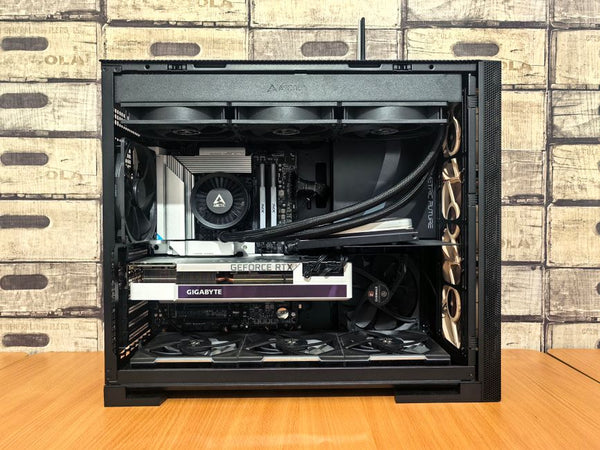
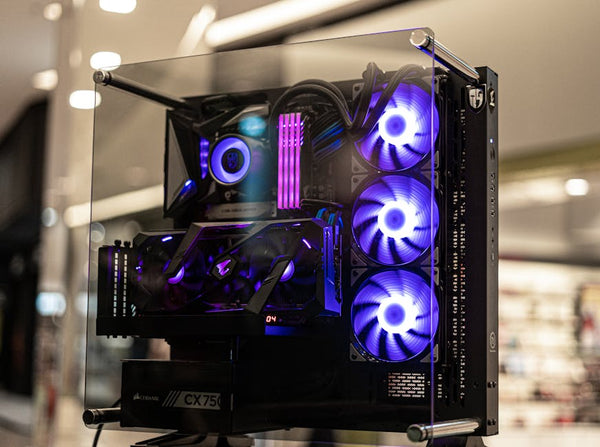
For those of us building gaming PCs, this creates some interesting dynamics. Enterprise-grade components that were heading to Middle Eastern data centers are now available for other markets. The BitCrate Custom Gaming PCs we build here in Orange, TX benefit when there's more component availability and less enterprise competition driving up prices.
But here's the thing that keeps me up at night — what happens when this conflict eventually ends? Because it will end, and when it does, all that pent-up demand is going to explode back into the market. Those billions in delayed investments don't just disappear. They're waiting.
The Uncertainty Factor
Honestly, I'm not sure anyone knows how this plays out long-term. Will the Middle East bounce back as a data center hub, or has the region permanently lost its appeal to risk-averse tech investors?
Some of the smartest people in tech are betting both ways. Amazon Web Services is still planning facilities in the region but with much longer timelines. Microsoft is hedging by expanding in Europe instead. Google's been radio silent about their Middle Eastern data center plans.
The gaming industry is caught in the middle of this uncertainty. Cloud gaming services need global infrastructure to work properly. When entire regions become unstable, it affects everything from server availability to content delivery networks.
Looking Forward: What Gamers Should Actually Care About
Here's my hot take: this whole situation perfectly illustrates why depending on any single region for critical infrastructure is dangerous. The tech industry learned this lesson with manufacturing during COVID, but apparently needed a refresher course with data centers.
For us as consumers, the immediate impact is probably positive — more component availability, potentially lower prices on high-end hardware. But the long-term implications are trickier. A less connected world means worse gaming experiences for everyone.
The real winners here might be places like Ireland, Singapore, and even Texas, where companies are redirecting investments originally planned for the Middle East. Data centers are coming to these regions faster than expected, bringing jobs, tax revenue, and better internet infrastructure.
The Middle East will probably bounce back eventually — too much money and strategic importance to stay sidelined forever. But the region's brief moment as the hottest data center destination? That's definitely over, at least for now.
War doesn't just change borders and governments. It reshapes entire industries, often in ways we don't fully understand until years later. The gaming hardware supply chain just got a harsh reminder that geopolitics and graphics cards are more connected than most of us realized.



















Leave a Comment