


GPU Review Reality Check: Why Your Gaming Rig Might Cost More Than You Think in 2024
Here's something that'll mess with your head: the same AI boom that's pushing GPU prices through the roof is now making it harder to get the electricity installed to actually run those cards. I kid you not.
Working at TieredUp Tech here in Orange, TX, I've been watching this train wreck unfold in real time. Customers come in excited about snagging that RTX 4080 or RX 7900 XTX, then reality hits when they realize their home's electrical system can't handle it. The kicker? Getting an electrician to upgrade their setup now takes forever thanks to data centers poaching all the skilled workers.
The Hidden Connection Between AI Hype and Your Gaming Performance
You probably think GPU reviews and CPU benchmarks exist in some tech vacuum, right? Wrong. The same AI companies driving demand for high-end graphics cards are literally stealing the electricians who'd wire your house for that beast of a gaming rig.
Texas housing projects are getting delayed by two whole months because data centers are throwing 75% higher salaries at electricians. That's not just some random construction issue – it's directly hitting gamers where it hurts.
Think about it. You've saved up $1,200 for that RTX 4080 Super. Your BitCrate Custom Gaming PCs config is ready to go. But your house still runs on 15-amp circuits from 2003, and good luck finding someone to upgrade your electrical panel before the next console generation drops.
Common Mistake #1: Ignoring Power Infrastructure
I can't tell you how many customers walk in here completely clueless about their home's electrical setup. They'll drop serious cash on a system pulling 750+ watts but never checked if their bedroom outlet can handle it.
Last month, this kid bought a pre-built with an RTX 4070 Ti Super and Ryzen 7 7800X3D. Solid build, ngl. But he's running it off a power strip daisy-chained to another power strip in his parent's garage. The system kept crashing during Cyberpunk 2077, and he thought it was driver issues.
Plot twist: his "gaming setup" was tripping breakers faster than you could say "ray tracing."
CPU Benchmark Numbers Don't Include Electrical Reality
Here's where GPU reviews and CPU benchmarks get it totally wrong. Every tech outlet focuses on performance per watt, but nobody talks about what happens when your house can't deliver those watts consistently.
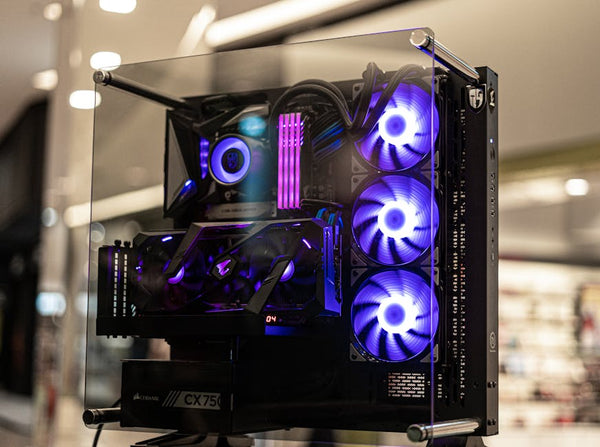
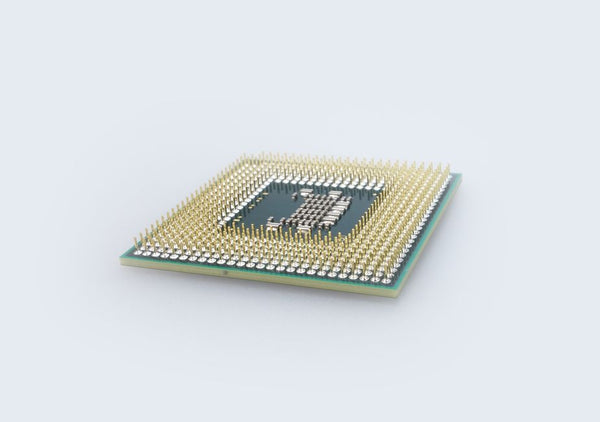
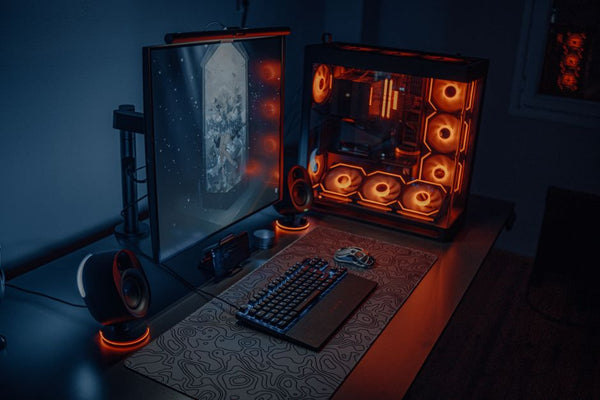
Take the Intel 13900K pulling 250 watts during gaming. Pair it with an RTX 4090 hitting another 450 watts. Add your monitors, RGB everything, and that sick sound system. You're looking at 900+ watts easy.
Your typical bedroom circuit? 15 amps at 120 volts. That's 1,800 watts max, but you shouldn't pull more than 80% continuously. We're talking 1,440 watts of safe capacity, and that's assuming nothing else is on that circuit.
Honestly, most people's electrical systems are more outdated than a GTX 1060.
The Data Center Effect Hits Home
Data centers aren't just buying up GPUs – they're buying up the people who install the infrastructure to run them. When Microsoft or Google offers electricians $45 per hour instead of the $25 they'd get wiring houses, guess where they're going?
The result? Housing contractors in Texas can't find qualified electricians. Projects that used to take six weeks now take ten. And if you need electrical work for your gaming setup? Join the queue.
Texas housing delays are up 60 days on average, with electrical work being the biggest bottleneck. Data centers are offering 75% higher wages to skilled electricians.
Planning Your Build Around Real-World Constraints
Hot take: the best GPU review isn't about FPS numbers. It's about whether you can actually run the damn thing in your current living situation.
I always ask customers about their electrical setup before we start configuring their build. Are you renting? Forget about major electrical upgrades. Living with parents? Better check what else is on that circuit. In a 1960s house? Your electrical panel probably looks like something from a museum.
This changes everything about component selection.
Smart GPU Choices for Electrical Reality
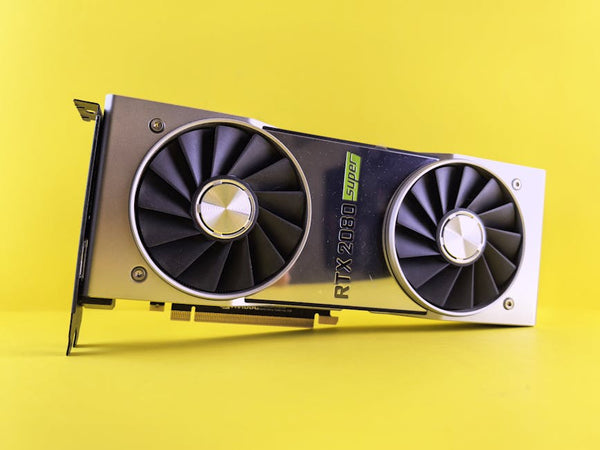
The RTX 4060 Ti might not top every GPU review, but it's solid for most gamers dealing with electrical constraints. 165 watts peak power draw means it'll run fine on standard household circuits. Compare that to the RTX 4080's 320 watts, and suddenly "mid-tier" looks pretty smart.
Same logic applies to CPU benchmark interpretation. The Ryzen 7600X pulls 105 watts versus the 7900X's 170 watts. In gaming performance? The difference is often 10-15%. In electrical requirements? The 7600X gives you way more headroom for everything else.
Is it the absolute fastest? No. Will it actually work in your setup without calling an electrician who's currently making bank at some AI data center? Probably.
Common Mistake #2: All-or-Nothing Thinking
Here's where I get a bit conflicted, tbh. Part of me loves when someone goes all-out on their dream build. The other part knows they might be setting themselves up for frustration.
I had this customer last fall who insisted on the absolute best of everything. RTX 4090, Intel 13900KS, 64GB of DDR5, the works. Total beast mode. But he lived in a rental apartment with 1970s wiring.
The system kept hard-crashing during intensive games. Not thermal throttling, not driver crashes – full system shutdowns. Turns out the old wiring couldn't handle the power spikes when both CPU and GPU ramped up simultaneously.
We ended up rebuilding with an RTX 4070 Ti and Ryzen 7700X. Still crushes every game at 1440p, but actually works reliably. Sometimes "worse" specs mean better gaming performance in the real world.
The Waiting Game Changes Everything
What really gets me is how this electrical shortage affects upgrade timing. You know how tech moves fast, right? By the time you actually get an electrician to upgrade your house for that monster GPU, the next generation's probably already out.
Those two-month delays in Texas housing? That's potentially missing entire product cycles. The RTX 5090 might be announced before you can properly power the RTX 4090 you're planning to buy.
Does that mean you should just stick with whatever your current electrical can handle? Maybe. Or maybe you get creative with your build planning.
Working Around the Problem
Some customers are getting smart about this. Instead of one monster gaming rig, they're building efficient systems that leave room for future upgrades. Start with an RTX 4060 or 4070 Super, make sure everything else is solid, then upgrade the GPU when your electrical situation gets sorted.
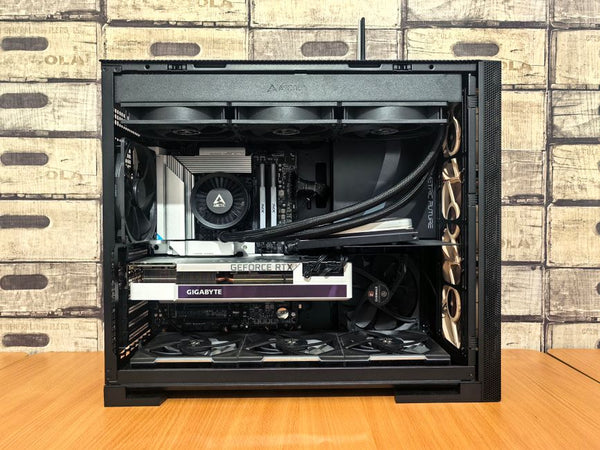
Others are exploring mini-ITX builds with undervolted components. Lower power draw, better efficiency, and you can actually run them on standard outlets without worrying about tripping breakers.
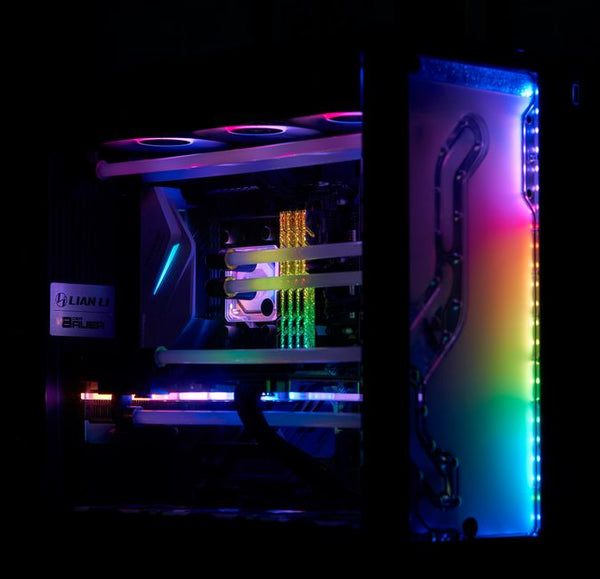
The enthusiast crowd? They're going full ham on custom loop cooling to squeeze maximum performance out of power-limited components. Can't draw more watts? Cool everything better and push higher clocks within the same power envelope.
Beyond the Benchmark Numbers
This whole situation proves that GPU reviews and CPU benchmarks only tell part of the story. Raw performance numbers matter, sure. But so does whether you can actually achieve those numbers in your specific setup.
Your RTX 4090 might bench 15% faster than an RTX 4080. But if the 4090 crashes your system because your house can't handle it, the 4080 is infinitely better at gaming performance. Math checks out.
Personally, I think we need to start including "real-world compatibility" as a factor in component recommendations. Not just FPS charts and power efficiency graphs, but actual guidance on what works in typical home setups.
The AI boom isn't slowing down. Data centers will keep paying premium wages for skilled electricians. Housing projects will keep getting delayed. And gamers will keep dealing with the ripple effects of infrastructure that can't keep up with hardware demands.
Maybe it's time to start building systems that work with reality instead of against it. Your frame rates might thank you for it.

















Leave a Comment