


AI Data Centers Are Eating Gaming Hardware Alive: What This Means for PC Components Pricing
Well, this is some grade-A bullshit. A $16 billion Stargate AI data center just got built in Michigan despite local communities literally voting it down, and now the whole state is scrambling to block more of these power-hungry monsters. This particular facility will consume 1.4 gigawatts of energy – that's more juice than some small countries use – all to power ChatGPT responses about why your sourdough starter died.
As someone who's built 50+ systems and watched PC components get absolutely demolished by crypto mining and now AI training, I'm genuinely pissed off. These data centers aren't just environmental disasters waiting to happen. They're actively destroying the gaming hardware market for regular people like us.
The Michigan Situation Is Just the Beginning
Let's break down what's actually happening here. Michigan communities voted against this data center buildout, but it went ahead anyway because apparently local democracy doesn't matter when there's AI money involved. The backlash is real though – county resolutions are flying, bipartisan state legislation is being drafted, and even the regional water authority is refusing to serve these proposed facilities.
Smart move by the water authority, tbh. These AI data centers don't just suck electricity like a badly overclocked RTX 4090 – they need massive amounts of water for cooling too. We're talking about facilities that make traditional server farms look like energy-efficient LED strips.
The energy numbers are absolutely insane. 1.4 gigawatts for one facility? That's like powering 1 million homes just so people can ask ChatGPT to write their college essays. Meanwhile, I've got customers at our shop in Orange, TX asking why their dream RTX 4080 build costs $800 more than it did two years ago.
How AI Data Centers Are Screwing Gaming Hardware Markets
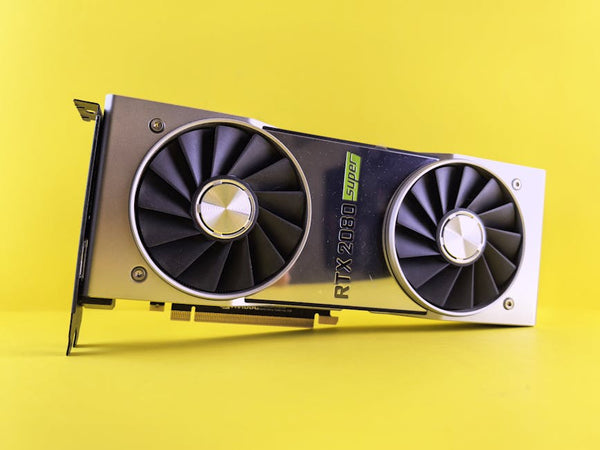
Here's where this gets personal for anyone trying to build a decent gaming rig. These AI facilities aren't using consumer graphics cards like the old crypto mining days – they're buying up enterprise GPU silicon at the foundry level. NVIDIA is prioritizing H100s and A100s over RTX cards because the margins are absolutely bonkers.
Remember when RTX 3080s were impossible to find during the crypto boom? This is worse. At least miners eventually sold their used cards. AI companies just keep buying more and more silicon, creating permanent shortage pressure.
The Real Cost to PC Builders
When TSMC's 4nm production lines are cranking out AI chips instead of gaming GPUs, guess what happens to RTX 4070 availability? It gets squeezed. Hard. I've watched wholesale prices on gaming cards creep up month after month, not because demand from gamers increased, but because the entire supply chain is being diverted to AI.
Honestly, it's like watching the housing market all over again. Big money comes in, buys up everything, and regular people get priced out.
The memory situation is even more brutal. AI training requires absolutely massive amounts of GDDR6X and HBM memory. When Samsung and SK Hynix are prioritizing AI contracts, gaming cards get the scraps. That RTX 4070 Ti Super you wanted? It's using whatever memory chips AI didn't buy first.
Common PC Building Mistakes in This New Reality
Given this AI-driven supply crunch, PC builders need to completely rethink their strategies. The old rules don't apply anymore.
Mistake #1: Waiting for Prices to Drop
Ngl, I used to tell customers to wait for better deals on high-end graphics cards. Not anymore. The AI demand isn't going away – if anything, it's accelerating. Companies like Microsoft, Google, and OpenAI are in an arms race that makes crypto miners look like casual hobbyists.
Hot take: if you see a decent deal on a RTX 4070 or better, buy it immediately. This isn't temporary price inflation from a mining bubble that'll crash. This is structural demand that's here to stay.
Mistake #2: Ignoring Power Supply Future-Proofing
With AI facilities pulling 1.4 gigawatts, the entire power grid is getting stressed. Gaming PCs are going to need more efficient power supplies, not just higher wattage ones. I'm seeing more customers asking about 80 Plus Titanium PSUs, and honestly, they're smart.
Your gaming rig doesn't need data center-level efficiency, but every watt you save is money in your pocket when electricity prices inevitably go up due to AI demand.
Mistake #3: Betting Everything on Next-Gen Cards
Everyone's waiting for RTX 5000 series like it's going to solve the pricing problem. Here's some reality: NVIDIA's next-gen cards will likely prioritize AI workloads even more aggressively. The gaming variants might get even less silicon allocation.
I genuinely think RTX 4000 series cards will be the last generation where gaming was the primary market driver. RTX 5000 will be designed for AI first, gaming second.
What This Means for Your Next Build
Building PCs in 2024 requires completely different thinking than even two years ago. The days of predictable price drops and abundant hardware availability are over.
Consider mid-range builds more seriously. An RTX 4060 Ti that's actually available is better than an RTX 4080 that costs $1,800 and has a three-month backorder. I've built plenty of solid 1440p gaming systems with 4060 Ti cards that absolutely crush games like Cyberpunk 2077 and Baldur's Gate 3.
AMD's getting smarter about this too. Their RX 7800 XT doesn't have the AI training capabilities that make NVIDIA cards so desirable to data centers, which means better availability for gamers. Sometimes being second choice for AI workloads is exactly what gaming needs.
The power consumption battle isn't just about your electricity bill anymore – it's about competing with AI data centers for grid capacity.
Memory is the wild card here. DDR5 prices have been surprisingly stable despite AI demand, but that could change fast if AI training moves toward larger system memory pools. Stock up on solid 32GB DDR5 kits while they're still reasonably priced.
The Bigger Picture: Gaming vs. AI Infrastructure
Michigan's fight against AI data centers isn't just about local politics or environmental concerns. It's about whether communities have any say when tech giants decide to build massive infrastructure that fundamentally changes local resources.
But here's where I'm genuinely conflicted: AI isn't going anywhere. These models are getting larger and more capable, which means more training, more inference, and more hardware demand. Fighting individual data centers might slow things down, but it won't stop the broader trend.
Maybe the real solution is better efficiency standards? Force AI companies to prove their models are actually worth the massive resource consumption? I don't know, but watching gaming hardware get cannibalized for increasingly questionable AI applications is frustrating as hell.
What I do know is that PC builders need to adapt to this new reality fast. The golden age of cheap, abundant gaming hardware might be over, but that doesn't mean great builds are impossible. It just means we need to be smarter about component selection and timing.
And hey, at least we're not paying $16 billion for the privilege of making our local power grid unstable. Small victories, right?
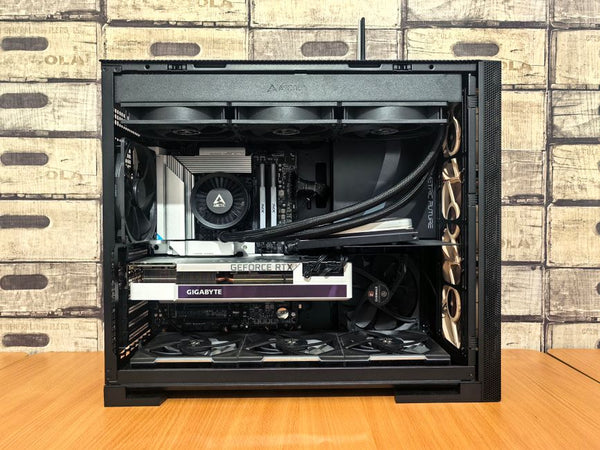
Looking for the right setup? Check out BitCrate Custom Gaming PCs — built right here in Orange, TX.








Leave a Comment