


3D Printed Buildings and Gaming PC Build Tech: When Construction Meets the Future
So Walmart's getting 3D printed now. Yeah, you read that right. While we're out here arguing about whether Intel or AMD builds better gaming PCs, some absolute madlads at Alquist 3D in Colorado are literally printing entire store expansions with concrete-spitting robots. Their A1X printer cranks out inch-thick concrete layers at 200mm/s, which honestly makes my Ender 3 look like it's moving through molasses.
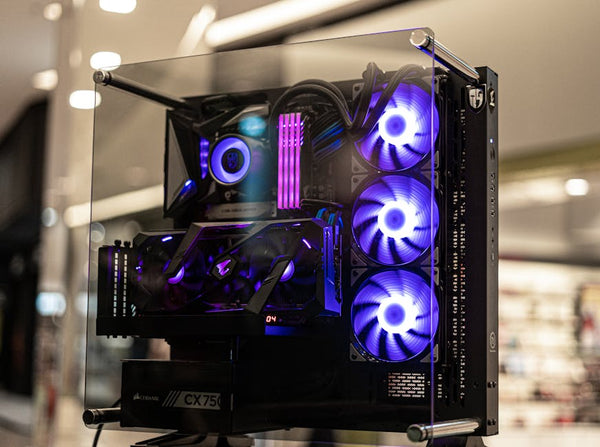
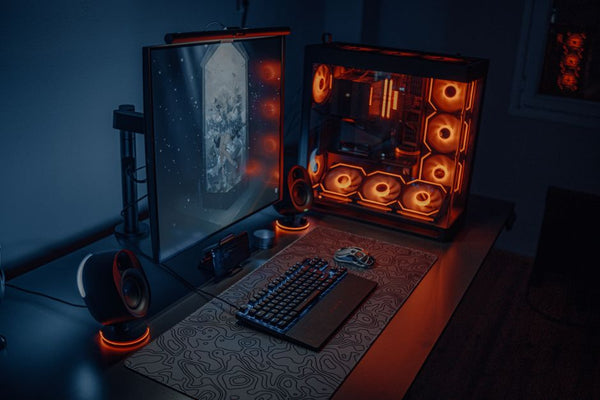
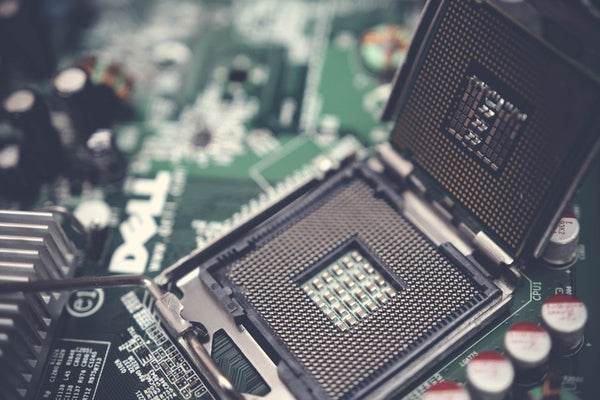
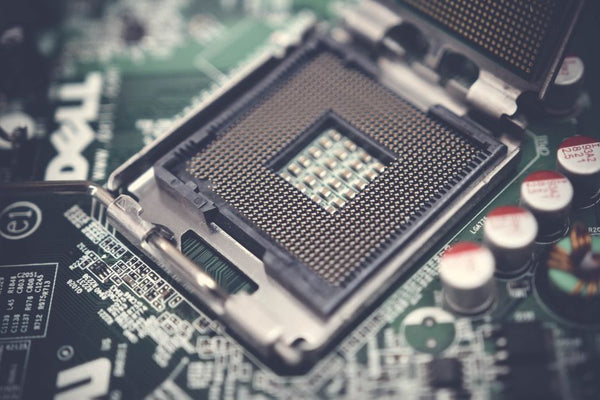
This got me thinking though — we're living in this weird timeline where buildings get 3D printed but most gamers still think slapping RGB on a prebuilt Dell makes it a "custom gaming PC." The disconnect is wild.
When Reality Outpaces Science Fiction Gaming
Remember when we thought 3D printing was just for making tiny Yoda figurines and replacement fan shrouds? Those days are dead and buried. Alquist 3D just secured contracts for more than a dozen Walmart expansions using their concrete-printing tech, and I'm sitting here genuinely impressed by the scale they've achieved.
The A1X robotic arm doesn't mess around. We're talking about a machine that can lay down structural concrete faster than most of us can install a CPU cooler properly. 200mm per second of concrete extrusion while maintaining structural integrity? That's some serious engineering.
But here's where it gets interesting for us PC nerds. The precision required for 3D printing concrete structures mirrors what we demand from custom gaming PC builds. Every layer matters. Every tolerance has to be perfect. Screw up the foundation, and your whole build becomes a paperweight.
The Parallels Hit Different
I was helping a customer at our shop here in Orange, TX last week, and we got talking about build precision after his motherboard arrived DOA. Dude was frustrated because he'd been planning this RTX 4080 build for months, and now he's waiting on RMA process.
That's exactly the mentality these construction 3D printing companies had to overcome. Early 3D Concrete Printing was experimental BS — cool demos that fell apart when you looked at them sideways. Sound familiar? It's like those "gaming laptops" with GTX 1050s that thermal throttle after 10 minutes of Cyberpunk.
Alquist 3D pushed past the demonstration phase by focusing on real-world applications. No more proof-of-concept nonsense. They're building actual commercial structures that need to pass inspections and survive decades of use.
Why This Matters for PC Building Culture
Hot take: the 3D concrete printing revolution should humble every PC builder who thinks they're pushing technological boundaries. These guys are printing entire buildings while we're still debating whether 32GB of RAM is overkill for gaming.
The tech progression parallels are honestly striking though. Remember when DDR4-3200 was considered fast? Now we're running DDR5-6000+ like it's nothing. That's the same trajectory 3DCP followed — from slow, unreliable experiments to production-ready systems cranking out Walmart expansions.
What impresses me most is the speed scaling. 200mm/s for concrete sounds slow until you realize we're talking about building walls, not printing trinkets. That's like comparing your gaming PC's performance to a server farm — different applications, but the underlying engineering principles matter.
The Engineering Mindset Transfer
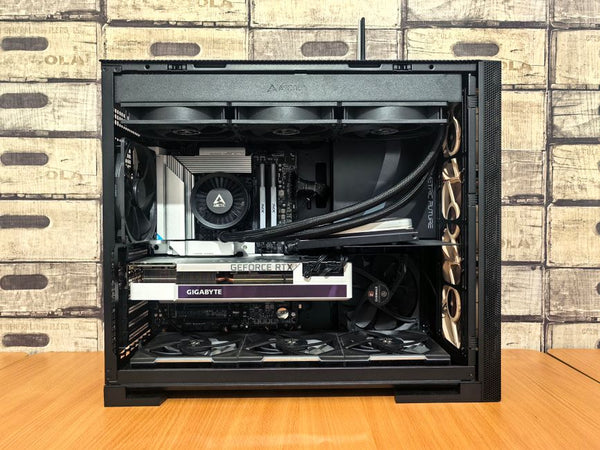
Building a solid gaming PC requires the same attention to detail that Alquist 3D applies to their concrete printing. You can't half-ass the power supply and expect your RTX 4090 to run stable. You can't ignore thermal management and wonder why your CPU hits 95°C under load.
Every component in a custom gaming PC build has to work in harmony, just like every layer of printed concrete has to cure properly and maintain structural integrity. The tolerances might be different, but the engineering mindset is identical.
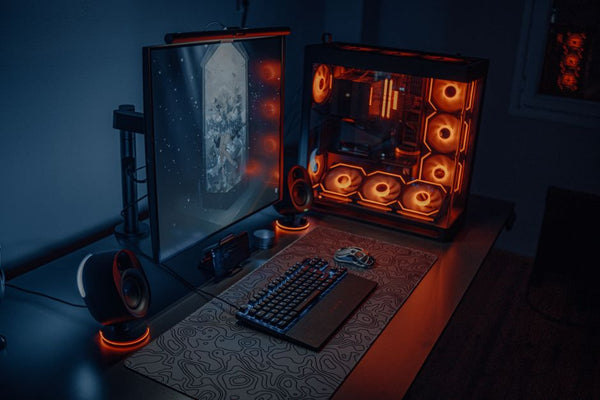
Personally, I think PC builders could learn from the construction automation approach. Stop overthinking RGB placement for Instagram posts and focus on the fundamentals. Cable management that actually improves airflow. Component selection based on actual performance metrics, not marketing fluff.
Where Traditional Building Meets Modern Tech
The Walmart project isn't just about showing off cool robotics. It's proving that 3DCP can integrate with traditional construction methods for practical applications. They're not replacing human workers — they're augmenting capabilities and solving specific problems like labor shortages and construction speed.
This hybrid approach reminds me of how the best gaming PC builds combine cutting-edge components with tried-and-true engineering principles. You might rock the latest RTX 4090, but you're still mounting it to a standard ATX motherboard following decades-old form factor specs.
The A1X robotic arm handles the precision concrete work while human crews manage electrical, plumbing, and finishing touches. Smart division of labor that maximizes both efficiency and quality control.
The Reality Check We All Need
Here's some perspective that might sting: while enthusiasts argue about whether 1% lows matter in benchmarks, these construction teams are literally reshaping how we build commercial infrastructure. The scale difference is sobering.
But that doesn't diminish what we do in the PC building community. Precision matters at every scale, whether you're laying concrete foundations or ensuring proper RAM clearance around a massive CPU cooler. The attention to detail transfers across disciplines.
What's genuinely exciting is watching both industries push boundaries simultaneously. Gaming hardware gets more powerful while construction gets more automated. The engineering challenges differ, but the drive for innovation stays constant.
The future isn't about replacing traditional methods — it's about enhancing them with targeted automation that solves real problems.
Alquist 3D figured this out by focusing on practical applications instead of flashy demos. They're not trying to 3D print entire buildings from scratch. They're identifying specific construction challenges where robotics provides clear advantages and attacking those problems systematically.
The Bigger Picture for Tech Enthusiasts
This Walmart expansion project represents something bigger than construction innovation. It's proof that experimental technologies can mature into production-ready solutions when companies focus on solving real problems instead of chasing headlines.
The PC building community could benefit from this approach. Instead of getting distracted by marketing gimmicks and artificial product segmentation, focus on what actually improves gaming performance and system reliability.
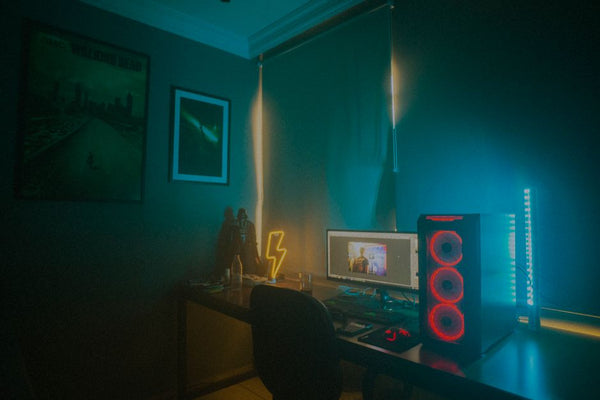
Does your gaming setup need RGB lighting that syncs with seventeen different software ecosystems? Probably not. Does it need proper airflow, quality components, and thoughtful cable management? Absolutely.
The construction industry figured out how to balance innovation with practicality. Maybe it's time for PC enthusiasts to do the same. Build systems that perform exceptionally for years, not ones that look good in photos but thermal throttle under load.
Looking Forward
Honestly, I'm more excited about watching these parallel tech evolutions than most new GPU launches. Both industries are solving complex engineering challenges, just at different scales and with different materials.
Will we see 3D printed data centers next? Probably. Will gaming PCs eventually get manufactured using similar automated precision techniques? It's already happening in some facilities.
The intersection of construction automation and electronics manufacturing opens up possibilities we haven't fully explored yet. Imagine custom case designs printed on-demand, or cooling solutions manufactured specifically for your component configuration.
Right now, watching Alquist 3D print Walmart expansions feels like a glimpse into a future where precision automation handles the heavy lifting while humans focus on design, optimization, and quality control. That's a future worth building toward, whether you're working with concrete or silicon.












Leave a Comment