


What Musk's 220,000 GPU Supercomputer Means for Your Gaming PC Build
So Elon's basically renting out his digital army to the competition. Wild, right? SpaceX just signed a deal with Anthropic (you know, the ChatGPT rival) to let them tap into their absolutely bonkers data center — we're talking 220,000 Nvidia GPUs and 300 megawatts of compute power. That's enough electricity to power a small city, tbh.
But here's where it gets spicy for us PC builders. When I saw these numbers, my first thought wasn't about AI domination or orbital data centers (though those are pretty sick). Nah, I'm thinking about what this tells us about the GPU market and how it affects anyone trying to build a custom gaming PC right now.
Breaking Down the Numbers That Matter for Your Gaming PC Build
220,000 GPUs. Let that sink in for a second.
To put this in perspective I actually understand — that's like having every single RTX 4090 that was probably manufactured in the first three months after launch. All in one facility. Running 24/7. The power draw alone is absolutely nuts — 300 megawatts is roughly what three nuclear power plants can pump out.
Now, you might be wondering what this has to do with your budget gaming rig. Everything, actually. When companies like SpaceX are hoarding GPUs like they're Black Lotus cards from Magic's Alpha set, it creates ripple effects throughout the entire market.
Why Enterprise GPU Hoarding Affects Your Build
Remember the crypto boom? Yeah, this is kinda similar but way more intense. Except instead of miners buying every RTX 3080 in existence, now we've got tech giants literally building cities of silicon. The demand pressure is real, and it's not going anywhere.
Personally, I think this explains why GPU prices have been so stubborn to come down to truly budget-friendly levels. Sure, an RTX 4060 isn't $800 anymore, but we're still not seeing the price drops we'd expect this far into the generation's lifecycle.
What SpaceX's GPU Farm Teaches Us About PC Build Strategy
Here's something interesting — Musk said "No one set off my evil detector" about the Anthropic deal. But honestly? The real evil detector should be going off for anyone trying to build their first gaming PC without doing proper research.
See, when I'm helping customers at our shop in Orange, TX configure their builds, I always tell them the same thing: understand the market you're buying into. SpaceX didn't just randomly throw money at 220,000 GPUs. They calculated performance per watt, thermal density, and probably got volume discounts that would make your head spin.
The Smart Builder's Approach
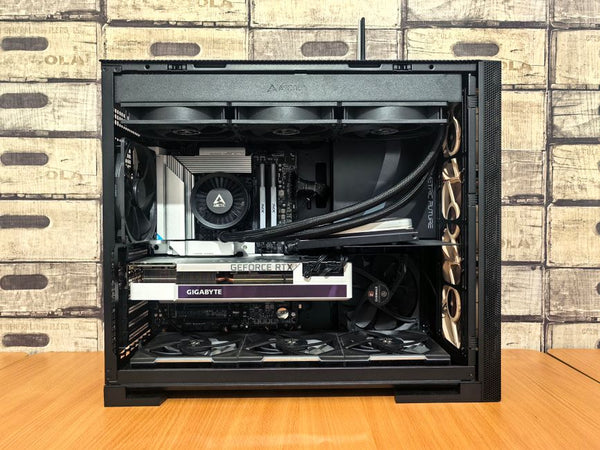
You can't negotiate like SpaceX, but you can think strategically. Instead of chasing the absolute latest and greatest, focus on the sweet spot where performance meets value. Right now, that's probably something like an RTX 4070 or 4060 Ti for most gaming PC builds.
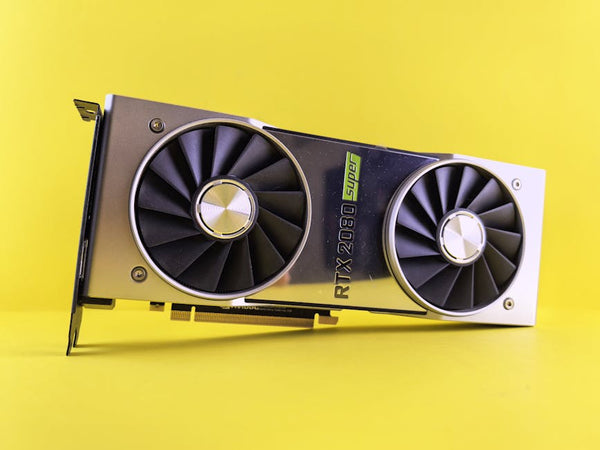
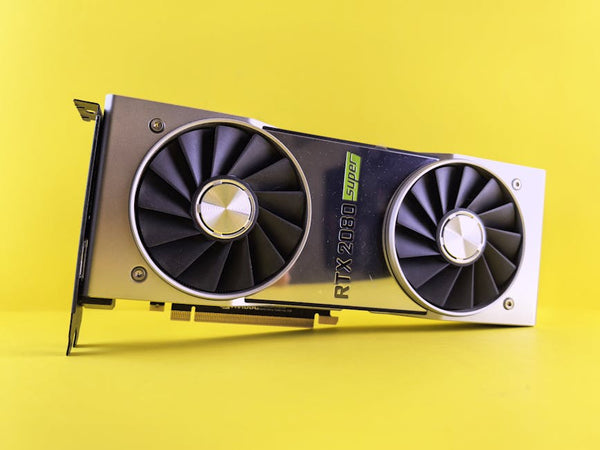
Hot take: the RTX 4090 is basically the Timetwister of graphics cards right now — stupidly powerful but priced for collectors and pros, not regular players. Unless you're running 4K gaming or doing serious content creation, you're paying for bragging rights more than practical performance.
The smarter move? Get a solid upper-mid-tier card now and upgrade in two generations when the performance jump actually justifies the cost. It's like buying into a rotating format instead of trying to build vintage-level power from day one.
Future-Proofing in the Age of AI Compute
Anthropic's interest in orbital data centers sounds like something straight out of a cyberpunk novel, but it actually hints at something important for PC builders. The computing demands aren't going down — they're skyrocketing.
This means a few things for your custom gaming PC strategy. First, don't cheap out on your PSU. Seriously. If power demands keep climbing like this, you want headroom for future upgrades. A quality 750W or 850W unit isn't overkill anymore — it's smart planning.
Second, think about cooling from day one. These enterprise setups aren't just about raw compute — they're about sustained performance under load. Your gaming rig might not need liquid nitrogen cooling, but proper airflow and thermal management are becoming more critical every generation.
The Economics of Scale vs. The DIY Advantage
SpaceX can negotiate directly with Nvidia and probably pays a fraction of what we mortals pay for GPUs. But here's the thing — they also need 24/7 uptime, enterprise support, and power delivery that could run a small country.
You just need to run Cyberpunk 2077 at 60fps without your room turning into a sauna. Different problems, different solutions.
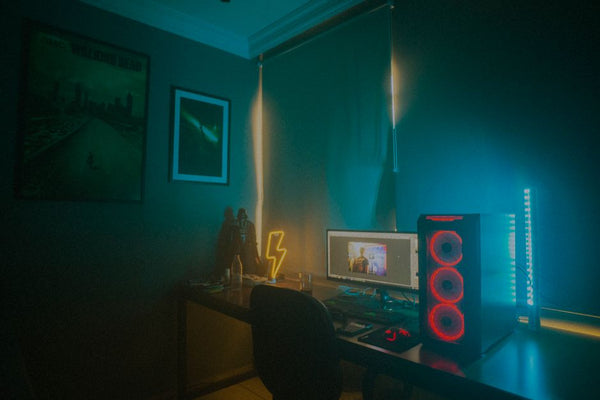
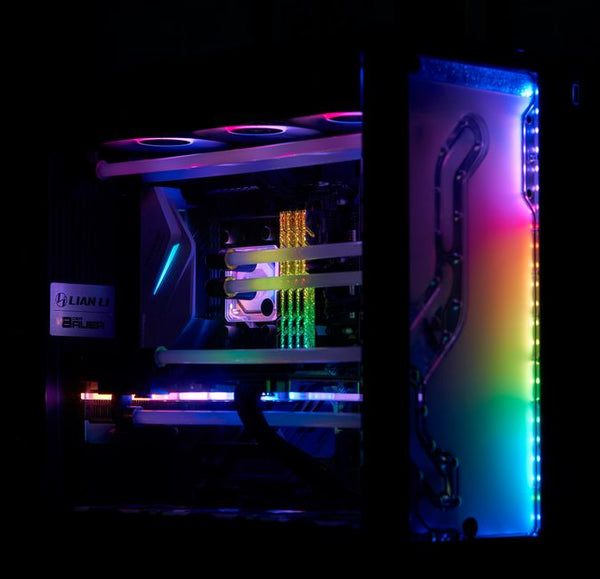
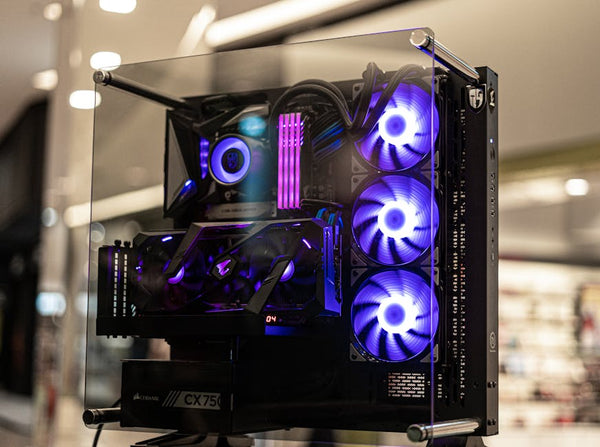
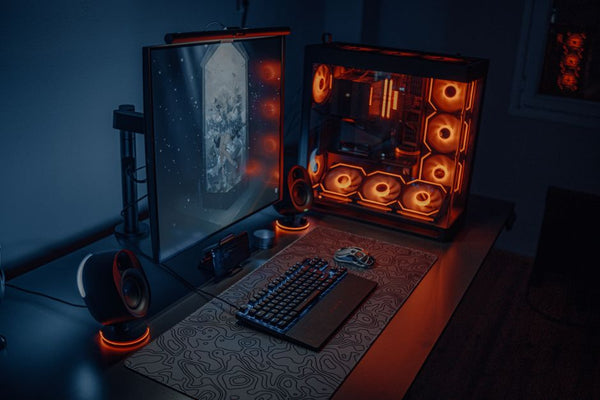
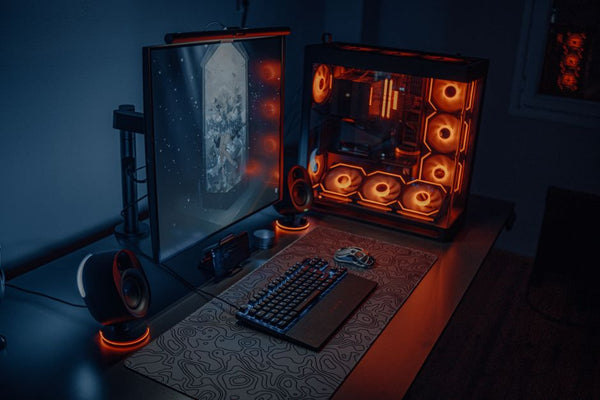
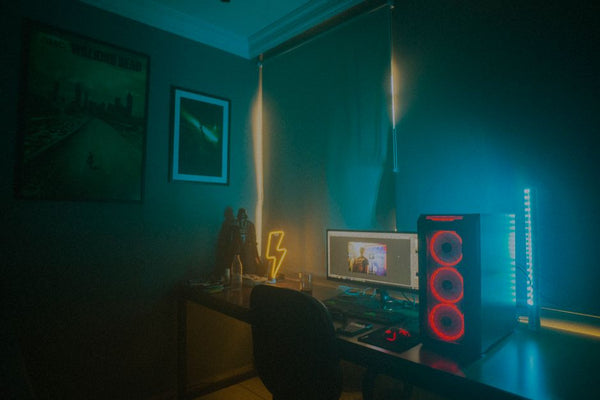
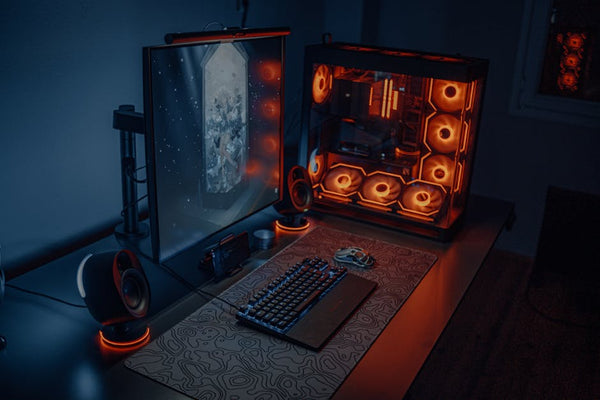
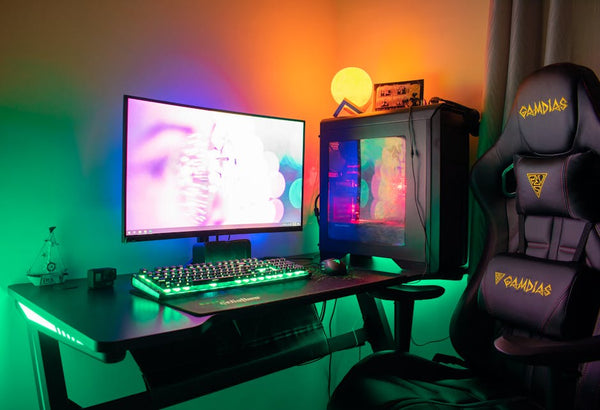
That's actually the beauty of building your own gaming PC. You can optimize for exactly what you need instead of buying into someone else's vision of what computing should look like. Want RGB that would make a unicorn jealous? Go for it. Prefer dead silence over maximum performance? That's valid too.
The real power isn't in having 220,000 GPUs — it's in having the one GPU that does exactly what you need it to do.
Practical Takeaways for Today's Builders
Alright, enough philosophy. What does all this actually mean if you're trying to shop GPUs right now?
Don't panic buy. The sky isn't falling, but supply chains are definitely feeling the pressure from enterprise demand. If you see a good deal on a card that fits your performance needs, don't overthink it to death.
Consider your upgrade path. Maybe you don't need the absolute best GPU today if you're planning to upgrade in 18-24 months anyway. Get something solid that'll handle current games well and wait for the next major architectural jump.
Power and thermal planning matter more than ever. If Musk's team needs 300 megawatts to run their setup, you probably want to spec your PSU and cooling with some cushion for future upgrades.
The Uncertainty Factor
Look, I'll be real with you — I'm not 100% sure what orbital data centers mean for the future of computing. Are we heading toward a world where all the serious compute happens in space and our gaming rigs become glorified terminals? Maybe. Or maybe this is just tech billionaires being tech billionaires and the future looks pretty similar to today, just faster.
What I am sure about is this: building your own gaming PC gives you control over your computing destiny in a way that buying prebuilt systems or relying entirely on cloud gaming just doesn't. That autonomy becomes more valuable, not less, as computing becomes more centralized at the enterprise level.
Whether SpaceX's GPU mountain represents the future of AI compute or just Musk's latest flex, one thing remains constant — there's still nothing quite like the satisfaction of hitting "power on" for the first time on a custom gaming PC build you put together yourself. No orbital data center required.











Leave a Comment