


TheA1200 Retro Computer GPU Review: Amiga Dreams Meet Modern Chip Shortage Reality
So here's the thing about retro computing that'll make any TCG collector nod knowingly — sometimes the most hyped releases get delayed harder than a Charizard reprint. Retro Games Ltd just pushed their TheA1200 Amiga-emulating computer back nearly six months, citing those infamous "global chip shortages" we've all heard way too much about lately.
December 4th. That's the new drop date for what was supposed to be this summer's nostalgia bomb. Honestly, it's giving me major flashbacks to when Pokemon cards were impossible to find and everyone blamed supply chain issues while scalpers made bank.
The Chip Shortage That Won't Quit
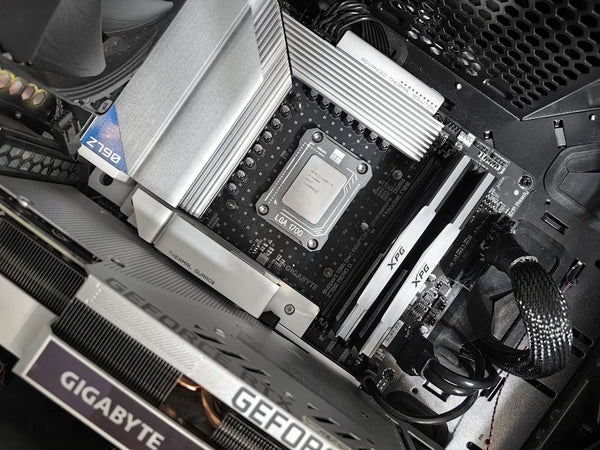
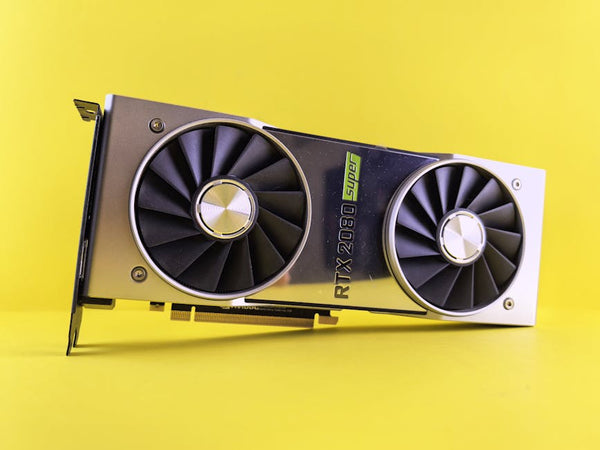
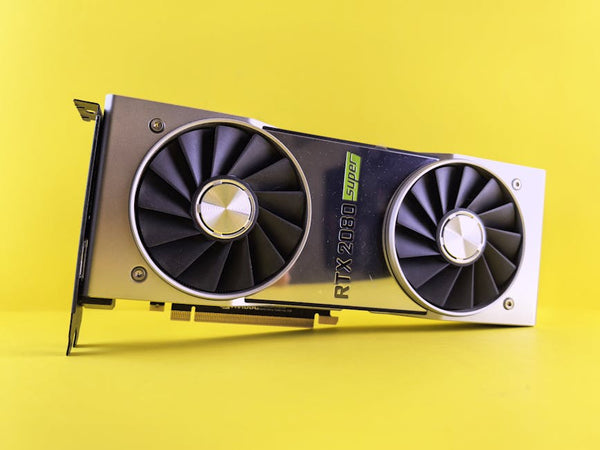
Look, we've all been dealing with this semiconductor mess for years now. At TieredUp Tech here in Orange, TX, I've watched GPU prices swing more wildly than a volatile crypto market. One week you're looking at a decent RTX 4060 for MSRP, the next week it's gone faster than free sample cards at a tournament.
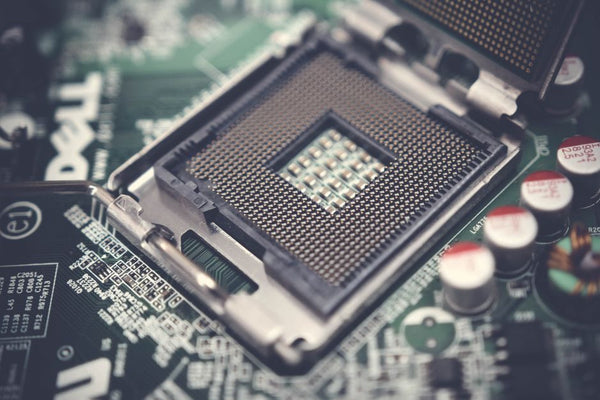
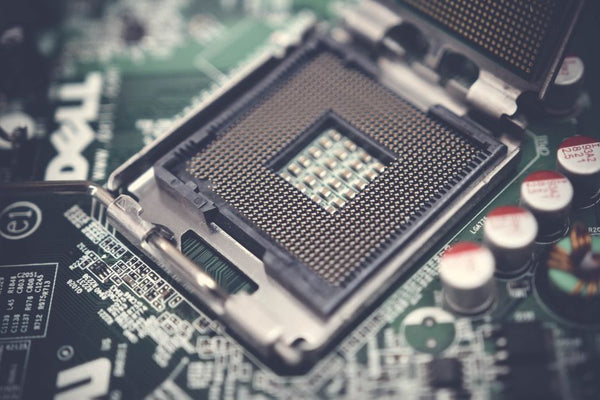
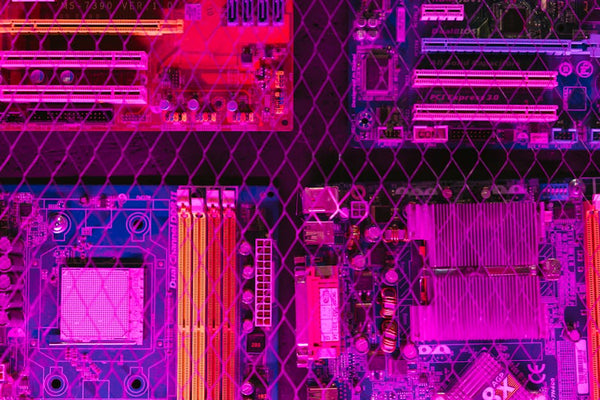
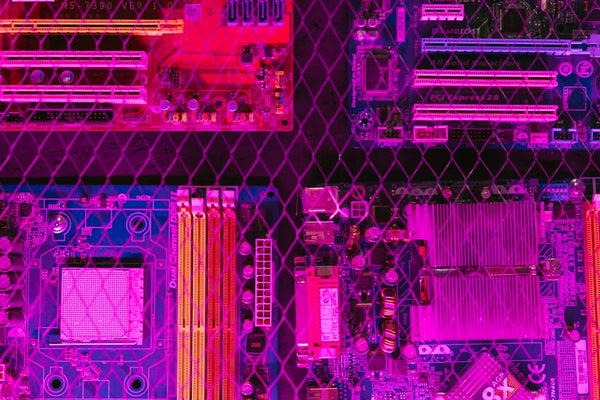
But here's what's wild about TheA1200 situation — they're not just dealing with high-end silicon shortages. We're talking about specialized chips that recreate 1990s Amiga hardware. Think about it: you need custom ASICs (Application-Specific Integrated Circuits) that can perfectly emulate the original Amiga's Paula sound chip, Agnus video controller, and Denise graphics processor.
It's not like Retro Games Ltd can just swap in a modern ARM processor and call it a day. Nah, this needs precision engineering that makes a perfect TCG proxy look easy by comparison.
Why TheA1200 Matters for Modern Gaming
You might wonder why anyone cares about emulating a computer from 1992. Fair question. But the Amiga 1200 wasn't just any retro machine — it was basically the gaming powerhouse of its era, running classics like Shadow of the Beast, Cannon Fodder, and The Secret of Monkey Island with graphics that made NES games look primitive.
TheA1200 promises HDMI output, USB connectivity, and WiFi while maintaining that authentic Amiga experience. It's like getting a vintage Black Lotus that actually works in modern tournament play.
CPU Benchmark Reality Check
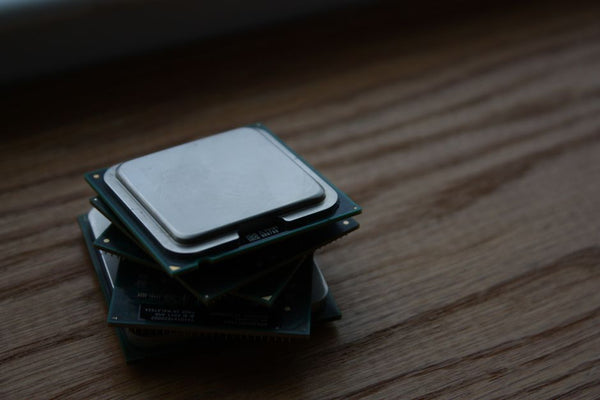
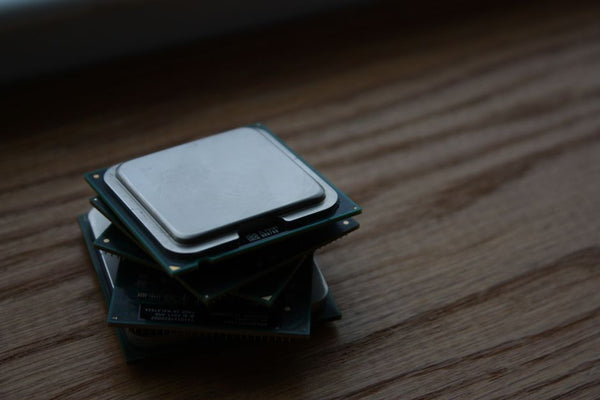
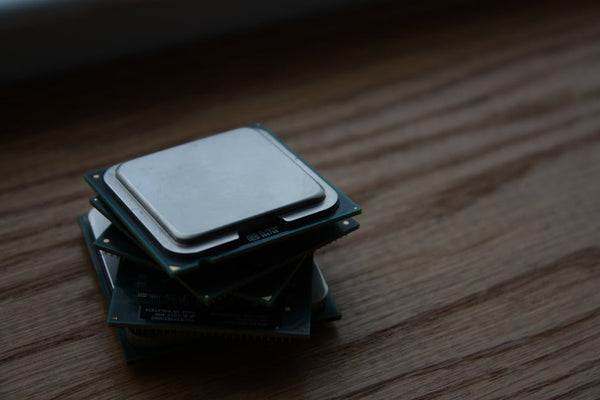
Here's where things get technical in a way that'll make sense to anyone who's ever compared gaming performance specs. The original Amiga 1200 ran on a Motorola 68EC020 processor at 14MHz. Fourteen. Megahertz.
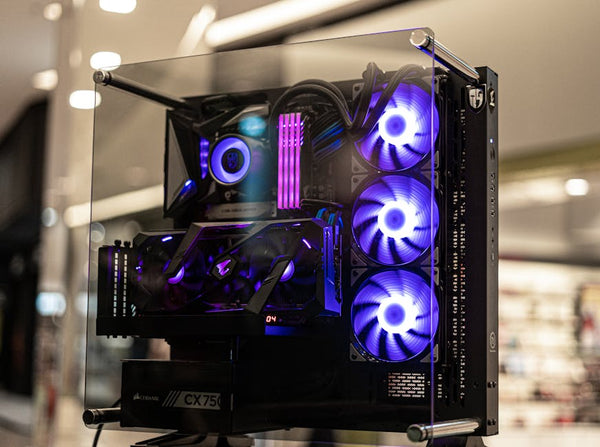
For perspective, that's about 0.000014 the clock speed of a modern Ryzen 7 7800X3D running at 4.2GHz base. Yet somehow, the Amiga's custom chipset made it punch way above its weight class for graphics and audio. The Paula chip could mix four stereo channels while Agnus handled DMA operations that modern systems take for granted.
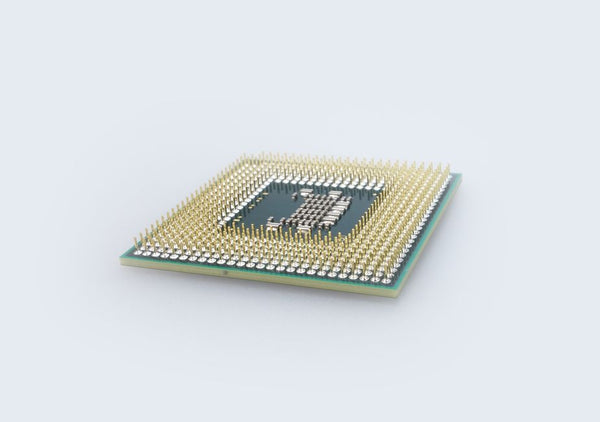
TheA1200's FPGA (Field-Programmable Gate Array) approach means it's not just software emulation running on generic hardware. Instead, the FPGA literally becomes the original chips at a hardware level. It's the difference between running MAME on your gaming PC versus having actual arcade boards.
The Software Polish Angle
Retro Games Ltd claims they'll use this delay to "finesse the software," and tbh, that's probably smart. Remember when Cyberpunk 2077 launched? Yeah, nobody wants their nostalgia machine to be a buggy mess on day one.
Getting Workbench 3.1 emulation perfect isn't trivial. You need cycle-accurate timing, proper Paula audio mixing, and Copper coprocessor functionality that behaves exactly like the original silicon. One timing bug and suddenly Half-Life on Amiga (yes, that existed) won't run properly.
Personally, I think six extra months of polish beats shipping a broken product. We've seen too many retro console launches botched by rushing to market.
Gaming Performance Expectations
What kind of gaming performance should you expect from TheA1200? Well, it's complicated. This isn't about frame rates or GPU benchmarks in any traditional sense. Amiga games were designed for specific hardware limitations — 50Hz PAL refresh rates, 4-channel audio, and graphics modes that maxed out at 640x512 resolution.
The magic happens in how smoothly games like Turrican II or Wings run. These titles used every trick in the Amiga's custom chipset, from copper lists to blitter operations that modern PCs handle differently. Getting that authentic feel requires more than just raw processing power.
TheA1200 needs to nail the subtle details — like proper Paula audio filtering and Agnus DMA timing — that make Amiga games feel right.
Hot take: I'd rather wait for a delay that ensures Pinball Fantasies sounds exactly like it should than get a rushed release where the audio mixing is off.
Modern Connectivity Meets Retro Soul
Here's where TheA1200 gets interesting for modern users. HDMI output means your vintage gaming sessions won't require hunting down a CRT monitor. USB ports let you use modern keyboards and mice instead of authentic Amiga peripherals that cost more than some graphics cards.
WiFi connectivity opens up possibilities for online Amiga communities and file sharing that the original never dreamed of. Imagine downloading ADF disk images directly to your hardware-accurate Amiga. It's like having a time machine with modern conveniences.
But there's uncertainty here too — will the modern additions feel natural, or will they break the nostalgic immersion? Sometimes authentic retro gaming means dealing with period-appropriate limitations.
The Broader Retro Computing Market
TheA1200's delay reflects bigger trends in retro computing. Between MiSTer FPGA systems, Analogue's console recreations, and various Raspberry Pi solutions, there's serious money in nostalgia hardware. Companies are realizing that authentic emulation requires real engineering, not just software running on generic ARM boards.
Consider this: a decent MiSTer setup costs around $400-600 and can emulate dozens of systems perfectly. TheA1200 will likely price similarly but focuses entirely on nailing one system's experience. That specialization better be worth it.
The chip shortage excuse feels legitimate here because these aren't commodity parts. Custom FPGA configurations, specialized analog video circuits, and authentic audio filtering require components that can't be easily substituted. It's not like building a custom gaming PC where you can swap equivalent parts.
December Launch Window Strategy
Launching in December positions TheA1200 perfectly for holiday nostalgia purchases. Parents who grew up with Amigas in the early 90s now have disposable income and kids to share gaming history with. It's smart timing if they can actually hit that date.
The question becomes whether six months extra development time genuinely improves the product or just manages supply chain reality. Either way, Retro Games Ltd better deliver something special after this extended wait.
Will TheA1200 justify its delay when December rolls around? The retro computing scene is watching closely, and there's no room for another overpromised, underdelivered nostalgia machine. Six months isn't just about fixing chip availability — it's about proving that authentic hardware emulation still matters in 2024.








Leave a Comment