


Corsair's Strix Halo AI Workstation 300 Gets Pricier: Is $3,399 PC Components Worth Your Hard-Earned Cash?
Oof. Just... oof. Corsair decided to quietly jack up the prices on their AI Workstation 300 mini PCs, and honestly? The timing couldn't be worse. The flagship Ryzen AI Max+ 395 model now sits at a wallet-crushing $3,399 — that's a $400 bump from just two months ago. Thanks, RAMpocalypse.
Look, I've been in this gaming hardware game long enough to know when companies are testing the waters. Remember when graphics cards hit astronomical prices during the crypto boom? This feels eerily similar, except now it's AI driving the madness instead of mining rigs.
What's Actually Inside This $3,400 Beast?
Before we talk about whether this thing's worth your rent money, let's break down what Corsair's actually selling here. The AI Workstation 300 isn't your typical gaming rig — it's a compact powerhouse designed for AI workloads, content creation, and probably making your electric bill cry.
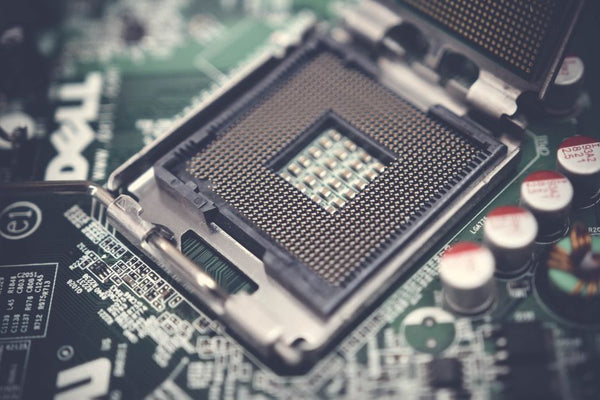
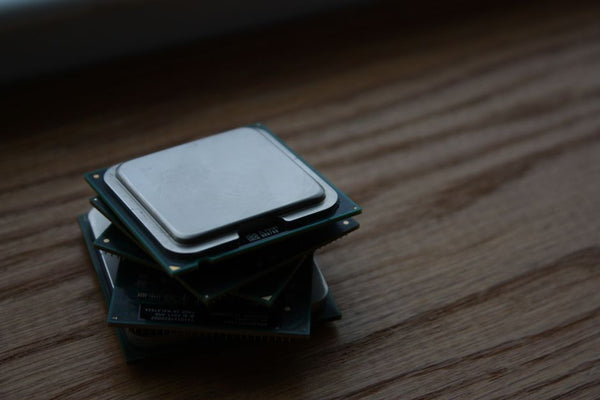
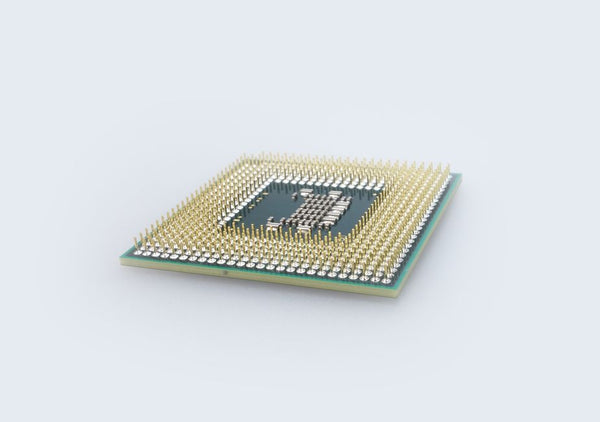
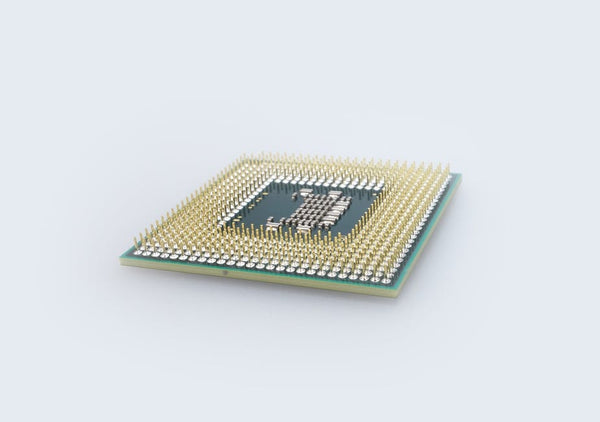
The star of the show is AMD's Ryzen AI Max+ 395 processor. This isn't some rebranded gaming chip — we're talking about serious silicon with integrated RDNA graphics that can actually handle demanding tasks without requiring a separate GPU. The whole package comes in a mini PC form factor that'll fit on your desk without looking like a spaceship landed there.
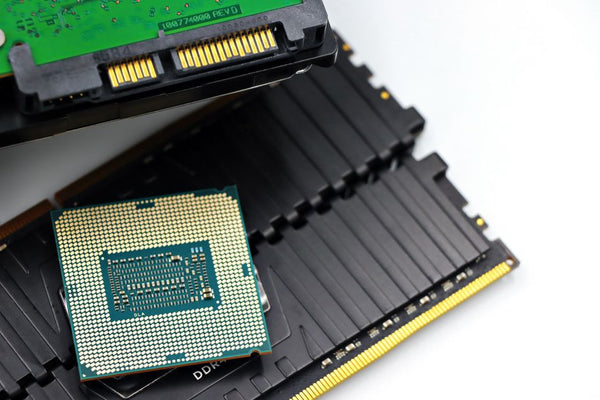
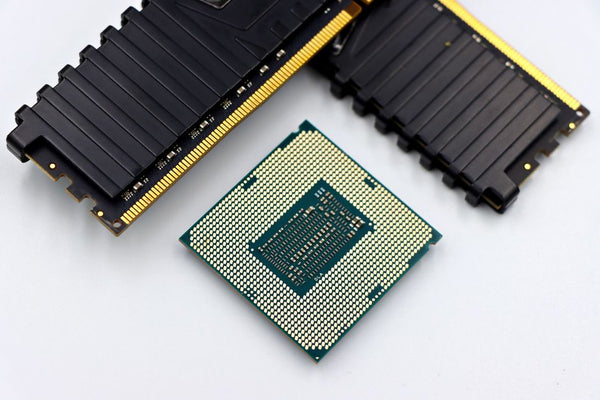
But here's where things get spicy: the price jump isn't just Corsair being greedy. RAM and storage costs have gone absolutely bonkers thanks to AI companies buying up everything in sight. When I was helping a customer at our shop configure their build last week, DDR5 prices made both of us wince. Hard.
The RAMpocalypse Is Real, and It's Expensive
Can we talk about this "RAMpocalypse" for a hot minute? Because it's not just marketing hyperbole — computer parts across the board are getting pricier, and fast. AI training requires massive amounts of memory, and guess what? There's only so much high-quality RAM and storage to go around.
I've watched DDR5 pricing swing more than a pendulum over the past year. One week it's reasonable, the next it's like memory manufacturers discovered their products were made of gold. The AI boom isn't slowing down either — if anything, it's accelerating.
Personally, I think we're in for at least another 12-18 months of elevated prices. The supply chain simply can't keep up with demand from data centers, AI researchers, and regular folks who just want to game without breaking the bank.
Who Actually Needs This Level of Performance?
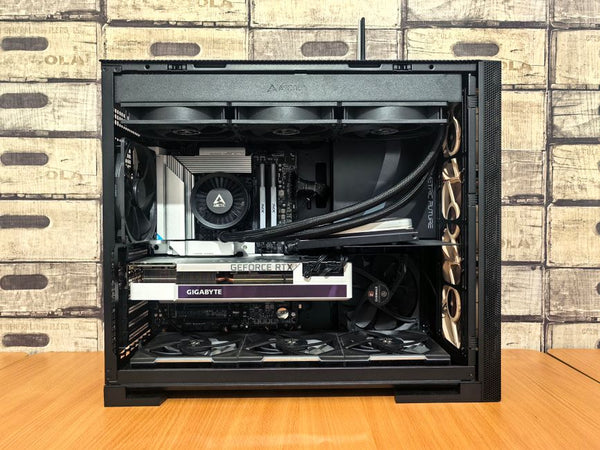
Here's the thing that gets me: who's actually buying a $3,400 mini PC? It's not gamers — for that money, you could build your custom gaming PC with BitCrate and have cash left over for a killer monitor.
This machine is targeted at creators, AI developers, and businesses that need compact powerhouses. Video editors who work with 8K footage. Developers training machine learning models. Small studios that need workstation-class performance in a tiny footprint.
But even for those use cases, $3,399 hits different than $2,999. That extra $400 could be the difference between "expensive but justifiable" and "maybe I should look elsewhere."
Value vs. Price: The Eternal Gaming Hardware Struggle
This is where my GameStop days taught me everything. I watched customers agonize over spending an extra $50 on a game, then casually drop $400 on accessories they'd never use. Value isn't just about specs on paper — it's about what you actually need.
The Ryzen AI Max+ 395 is legitimately impressive tech. Integrated graphics that don't completely suck? AI acceleration built right into the chip? That's not nothing. But does it justify three grand and change?
Hot take: probably not for most people. Unless you're running specific AI workloads or need the absolute smallest form factor possible, you're paying a premium for convenience and novelty. That's fine if you've got the budget, but let's be honest about what we're buying.
Alternative Routes That Won't Empty Your Bank Account
What if you need AI-capable hardware but don't want to sacrifice your firstborn to afford it? There are options, though they require some compromise.
A custom build with a Ryzen 7000 series CPU and dedicated GPU will give you better performance for less money. Yeah, it'll be bigger. No, it won't have the same "wow" factor as a tiny AI workstation. But your wallet will thank you.
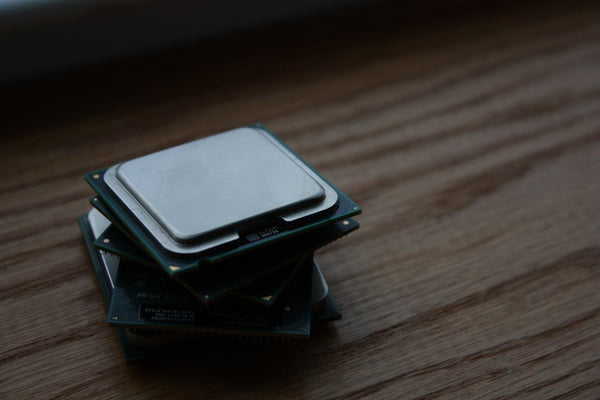
Refurbished workstations are another solid play. Previous-gen Xeon systems with professional GPUs can handle AI tasks surprisingly well, especially if you're just getting started or working on smaller projects.
The Bigger Picture: Where Gaming Hardware Is Heading
This price bump isn't happening in a vacuum. The entire PC components landscape is shifting as AI becomes mainstream. Graphics cards, memory, storage — everything's getting pulled in two directions. Gamers want affordable performance, while AI applications demand maximum capability regardless of cost.
Honestly, I'm not sure how this plays out long-term. Will prices stabilize as production ramps up? Or are we looking at a permanent split between "gaming hardware" and "AI hardware" with completely different price structures?
What I do know is that companies like Corsair are betting big on the premium AI market. The question is whether customers will follow them up the price ladder or start looking for alternatives.
Should You Pull the Trigger at $3,399?
Look, if you need this specific combination of features — compact size, AI acceleration, no-hassle setup — and budget isn't your primary concern, the AI Workstation 300 delivers. The hardware is solid, Corsair's support is generally good, and you'll have bragging rights at the coffee shop.
But if you're price-sensitive or can work with a larger system, there are better ways to spend $3,400. Build something custom. Get a laptop with discrete graphics. Hell, buy a decent gaming rig AND a productivity machine.
The real kicker? By the time supply chains normalize and prices come back down to earth, there'll probably be newer, faster options available for less money. That's always the gamble with bleeding-edge tech.
So ask yourself: are you buying capability you need today, or are you just excited about the latest shiny thing? Because at $3,399, that difference matters more than ever. The RAMpocalypse isn't going anywhere soon, but your patience might pay off if you can wait it out.








Leave a Comment