


This Madman is Building an Intel 386 PC on Breadboards — And It's Actually Brilliant
So there I was, scrolling through tech forums at 2 AM (don't judge me), when I stumbled across something that made me question everything I know about PC building. Some absolute legend at Breadboarding Labs is constructing an Intel 386 system using nothing but solderless breadboards. No PCB. No motherboard. Just pure, chaotic engineering brilliance.
Now, before you ask "Sarah, what the hell is wrong with this person?" — hear me out. This isn't their first rodeo.
The Breadboard PC Journey: From XT to 386 Glory
These folks have already conquered PC-XT and PC-AT builds using the same breadboard methodology. Think about that for a second. They took computers from the early 80s and basically said "let's rebuild these with modern prototyping tools and see what happens."
The PC-XT project? That was their warm-up — an 8088 processor running at 4.77 MHz with maybe 640K of RAM if you were lucky. Honestly, my smart fridge probably has more processing power. But as a proof of concept? Chef's kiss.
The PC-AT build ramped things up with an 80286 processor. Still ancient by today's standards, but we're talking about moving from 16-bit to... well, still 16-bit but with better memory management. Baby steps, right?
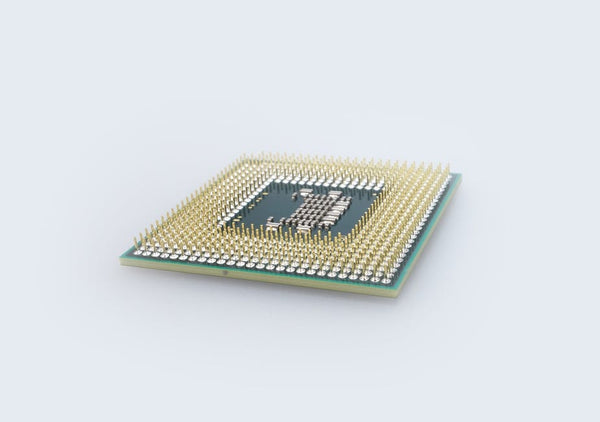
But now they're going full send with an Intel 386. We're talking 32-bit processing, protected mode, virtual memory management — the whole nine yards that basically defined modern computing architecture.
Why Breadboards Instead of PCBs Make Perfect Sense
Look, I've seen customers at our shop in Orange, TX get frustrated when their RAM doesn't seat properly in a perfectly engineered motherboard socket. Can you imagine troubleshooting a breadboard 386 system?
But here's the thing — breadboards offer something PCBs can't: complete transparency. Every connection is visible. Every signal path can be traced with your eyes. When something breaks (and trust me, things will break), you can actually see where the problem is.
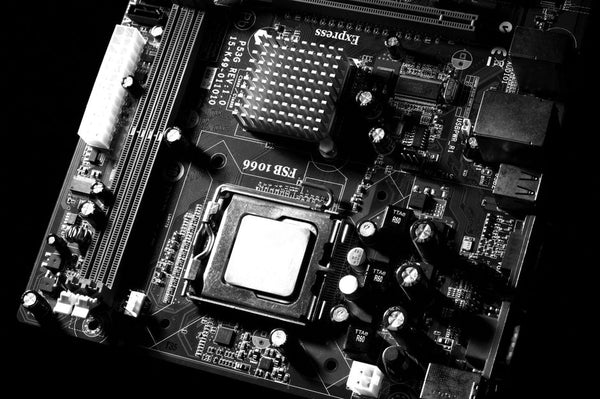
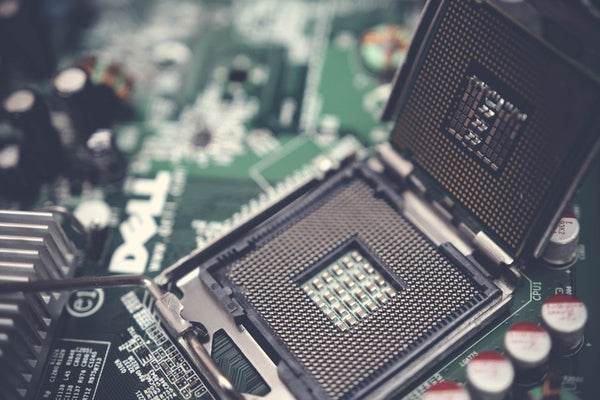
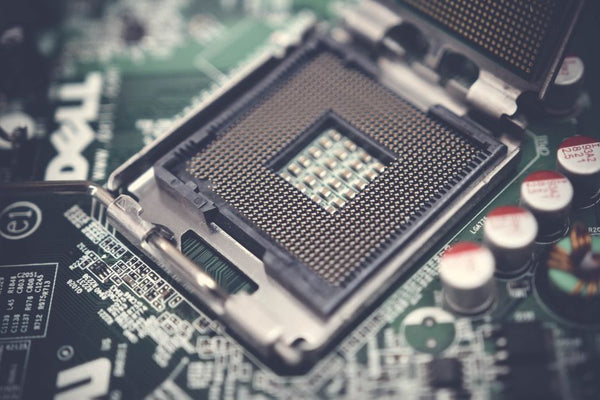
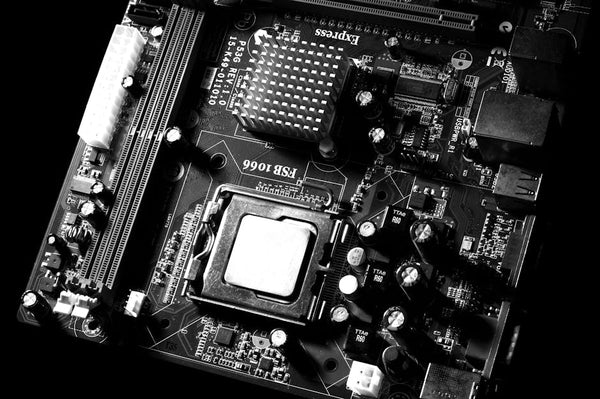
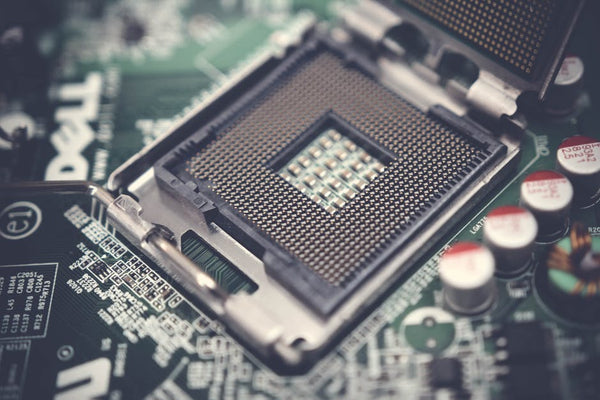
Plus, there's educational value here that's honestly off the charts. How many of us really understand what's happening between the CPU socket and that forest of capacitors on a modern motherboard? This project strips away all the mystery.
The Technical Insanity Behind Building a 386 Without a Motherboard
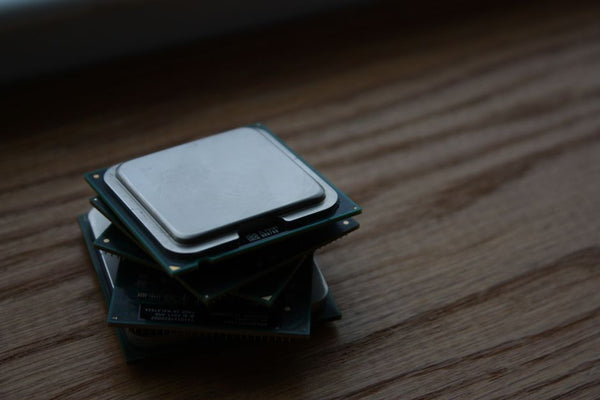
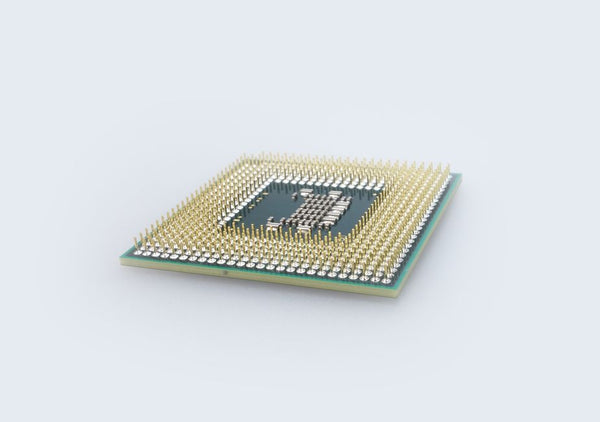
Let's be real for a hot minute. The Intel 386 wasn't exactly plug-and-play friendly even with proper PCBs back in the day. We're talking about a processor that needs precise timing signals, proper power distribution, and memory controllers that don't mess around.
Building this on breadboards means manually implementing:
- Clock generation and distribution circuits
- Memory address decoding logic
- Interrupt controllers and timing
- Bus arbitration systems
Each of these systems would normally be handled by specialized chipsets on a traditional motherboard. Now imagine wiring all of that by hand, component by component, across multiple breadboards.
Hot take: This is probably more educational than any computer engineering degree program I've encountered. You can't hide behind abstraction layers when every logic gate is something you physically connected yourself.
Signal Integrity: The Real Boss Fight
Here's where things get spicy. Modern breadboards aren't exactly designed for the signal speeds a 386 operates at. We're talking about a processor that could run at 16-40 MHz depending on the variant. At those frequencies, every wire becomes an antenna, and every connection point introduces potential signal degradation.
Parasitic capacitance? Inductance from jumper wires? Cross-talk between adjacent circuits? This project is basically a masterclass in all the things that can go wrong with high-speed digital signals.
But that's exactly what makes it fascinating. Solving these problems requires understanding electronics at a fundamental level that most of us never reach.
Modern Gaming PCs vs. Breadboard Retro Builds: A Reality Check
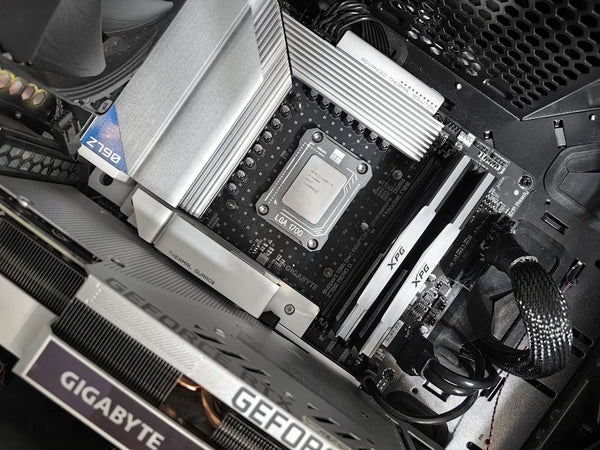
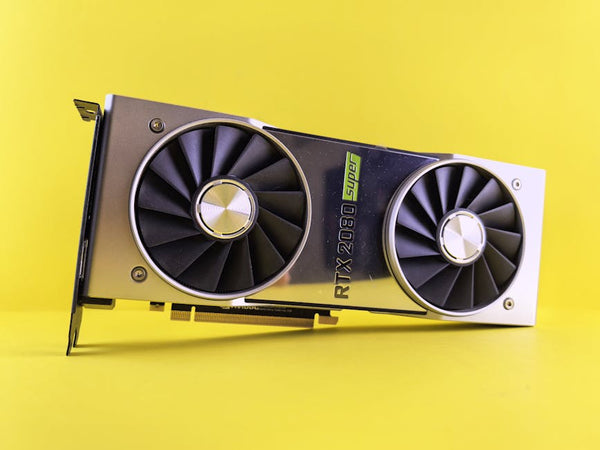
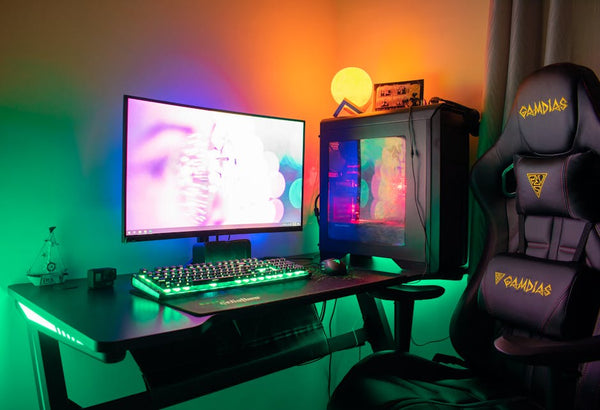
Okay, let's pump the brakes for a second. Am I suggesting you ditch your RTX 4090 build for a breadboard 386? Obviously not. But there's something refreshingly honest about a computer you can completely understand.
I help customers spec out BitCrate Custom Gaming PCs all the time, and honestly, most people have zero clue what half the components actually do. They know they need 32GB of RAM for modern games, but ask them how virtual memory works and you get blank stares.
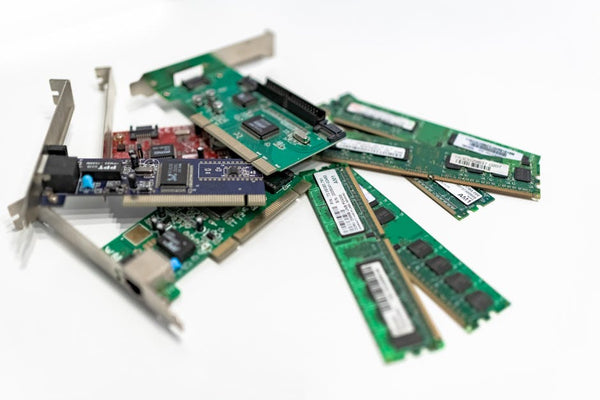
This breadboard project forces you to understand every aspect of computer architecture. Need more RAM? You're not just sliding in another DIMM — you're expanding your address decoding logic and making sure your memory controller can handle the additional load.
Want faster storage? Time to implement your own drive controller interface from scratch. No M.2 slots here, friend.
The Performance Reality
Let's not kid ourselves about what we're dealing with performance-wise. A breadboard 386 running at maybe 16 MHz with a few megabytes of RAM isn't launching Cyberpunk 2077 anytime soon. We're talking about computing power that struggles with basic multitasking.
But performance isn't the point here, is it? This is about understanding the foundations that modern computing is built on. Every smartphone processor today traces its lineage back to architectures pioneered by chips like the 386.
Why This Project Matters More Than You Think
Personally, I think projects like this are essential for keeping real engineering knowledge alive. Sure, modern tools and abstractions let us build incredible things quickly. But when something breaks — and trust me, things always break — understanding the fundamentals becomes critical.
I've seen too many "builders" who can assemble a PC from parts but can't troubleshoot basic hardware conflicts. They're essentially advanced LEGO enthusiasts, not engineers.
This breadboard 386 project? It's the antithesis of that approach. Every decision requires deep understanding. Every connection is intentional. Every problem teaches you something fundamental about how computers actually work.
Will it play Doom? Maybe, if you're patient and have low expectations. Will it teach you more about computer architecture than any textbook ever could? Absolutely.
The real question isn't whether this project makes practical sense — it's whether we need more people willing to dive this deep into understanding the technology that runs our world. And honestly? I think we desperately do.











Leave a Comment