


ASUS ROG Astral RTX 5090 Edition 20: The 3,000W Monster That Makes Your Current Build Look Like a Starter Deck
You know that feeling when someone drops a Black Lotus on the table during a casual game? That's exactly what ASUS just did at Computex with their ROG Astral GeForce RTX 5090 Edition 20. This isn't just another GPU review – this is witnessing the gaming equivalent of someone pulling up to FNM with a deck worth more than most people's cars.
The whole package screams "money is no object" louder than a whale opening Pokemon booster cases on stream. We're talking about a setup that includes not just the GPU with its bonkers curved AMOLED display, but also a matching 3,000W power supply and a case that looks like it belongs in a cyberpunk movie.
That Curved AMOLED Display Isn't Just for Show
Let's talk about this display first. ASUS slapped a curved AMOLED screen right onto the GPU itself. Now, before you roll your eyes and mutter "gimmick," hear me out.
This isn't like those RGB strips that do nothing but drain power. The display actually shows real-time performance metrics, temperatures, and custom animations. Think of it as having a premium foil treatment on your favorite card – it's functional eye candy that serves a purpose.
Working at TieredUp Tech here in Orange, TX, I've seen customers obsess over monitoring their systems. Half the builds I help configure end up with dual monitors just so people can keep MSI Afterburner running on the side. Having that data right on the GPU? That's honestly brilliant.
The curved design follows the card's heatsink contours perfectly. No weird flat panel sticking out awkwardly. It's integrated so seamlessly that it looks like this is how graphics cards were always supposed to be designed.
Real-World Monitoring Benefits
But here's where it gets interesting for actual users. That display can show custom warnings when your card hits thermal limits. No more alt-tabbing out of Cyberpunk 2077 to check if your GPU is cooking itself at 90°C.
You can also program custom boot sequences and game-specific displays. Imagine your card lighting up with different animations depending on whether you're launching Valorant or running Blender renders. That's some next-level personalization right there.
The 3,000W Power Supply That Makes Everything Else Look Weak
Now let's address the elephant in the room. A 3,000W PSU. Three thousand watts!
For context, most high-end gaming builds max out around 850W under full load. Even with RTX 4090 setups running stress tests, you're typically looking at 750W total system draw. So why would anyone need 3,000W?
Hot take: This isn't about need – it's about headroom and future-proofing taken to an absolutely absurd extreme. It's like running quad-sleeved premium cards in a casual EDH deck. Overkill? Absolutely. Impressive? You bet.
ASUS is essentially saying "whatever power requirements come next, we've got you covered for the next decade."
The efficiency curves on high-wattage PSUs are actually fascinating. Running a 3,000W unit at 25% load puts you in the sweet spot for efficiency ratings. Your electricity bill won't hate you as much as you'd expect.
CPU Benchmark Implications
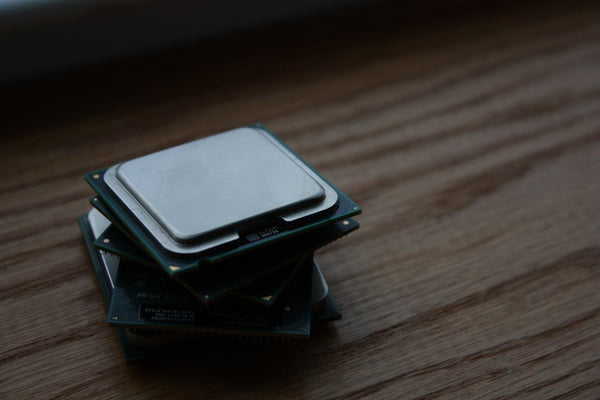
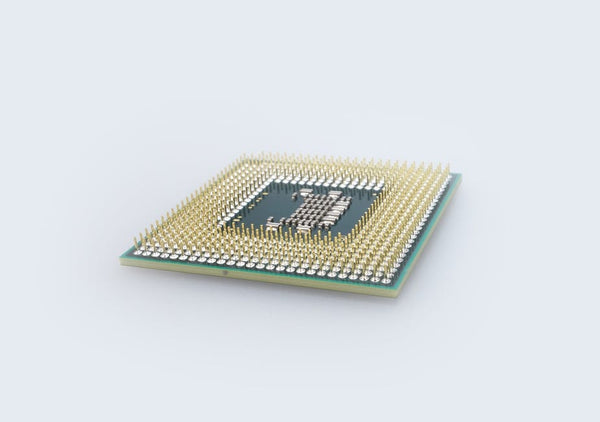
With this much power available, you could theoretically run dual high-end GPUs alongside something ridiculous like a threadripper with custom cooling. The CPU benchmark possibilities become unlimited when power delivery isn't a constraint.
Honestly, I'm curious if ASUS tested this with extreme overclocking scenarios. Imagine running LN2 cooling with unlimited power budget. Those CPU benchmark numbers would be absolutely bonkers.
The Case Design That Actually Makes Sense
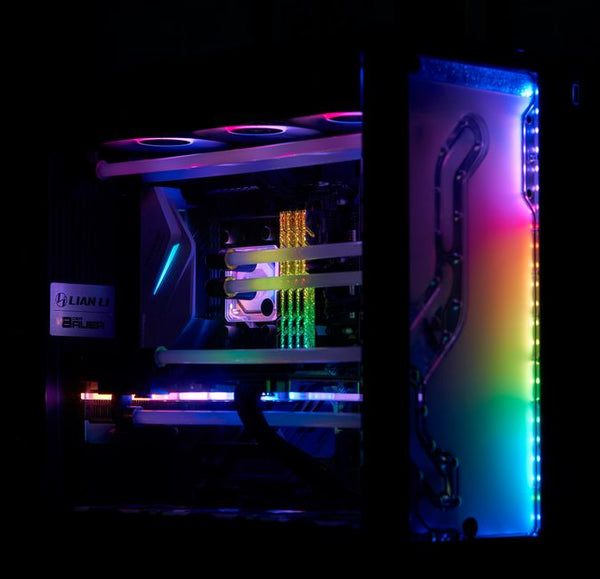
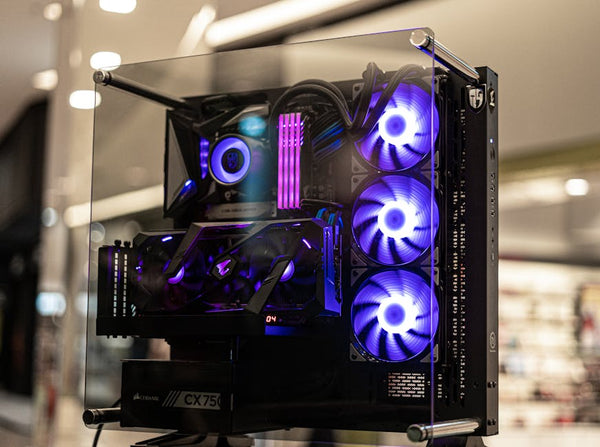
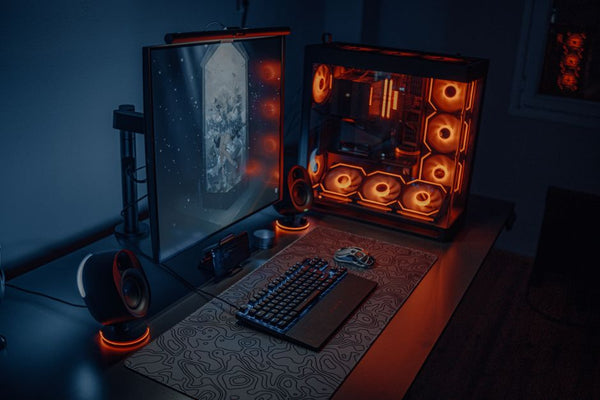
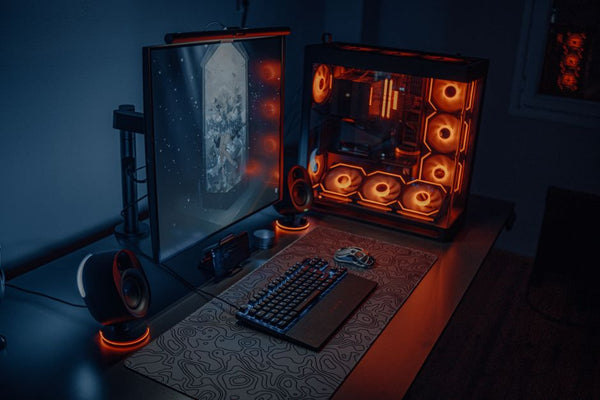
The matching case deserves its own section because ASUS clearly put serious thought into thermals and aesthetics. We're not talking about another glass box with RGB strips slapped everywhere.
The design language flows from the GPU's aesthetic. Sharp angles, premium materials, and functional vents that actually serve a purpose. It reminds me of those special edition deck boxes that cost $200 but make your collection feel properly protected.
Cable management looks incredibly clean in the promotional shots. The case seems designed specifically around the ROG ecosystem, which makes sense when you're creating a limited edition celebration piece.
Gaming Performance Expectations
While we don't have concrete gaming performance numbers yet, the RTX 5090 should theoretically demolish everything currently available. We're probably looking at consistent 4K 120fps in most titles, with ray tracing cranked to maximum.
For content creators, the implications are massive. 8K video editing might finally become smooth and responsive. Streaming at ridiculous quality settings while maintaining high framerate gaming? Easily achievable.
The real question becomes: what monitor can even utilize this kind of power? Most people are still on 1440p displays.
The Reality Check Nobody Wants to Hear
Let's be real for a second. This entire package is going to cost more than most people's cars. We're talking premium collectible territory here.
The Edition 20 designation suggests this is commemorating something significant for ROG's 20th anniversary. Limited production runs mean scalper prices and extreme rarity. Good luck actually buying one at MSRP.
Personally, I think this represents ASUS flexing their engineering capabilities more than creating a mass-market product. It's like those concept cars automakers display at shows – impressive tech that trickles down to affordable models later.
The curved AMOLED might show up on mid-range cards in two years. The case design elements will influence future ROG products. That 3,000W PSU technology could lead to more efficient lower-wattage units.
Who Actually Needs This Setup?
Professional content creators with unlimited budgets. Enthusiasts who treat PC building like collecting vintage Magic cards – where rarity and exclusivity matter more than practical value. Tech reviewers who need the absolute bleeding edge for testing purposes.
Regular gamers? Probably not. Your RTX 4070 handles modern games just fine at 1440p. But that's missing the point entirely.
What This Means for the GPU Market
ASUS dropping something this extreme puts serious pressure on competitors. NVIDIA's probably taking notes about integrated displays. MSI and Gigabyte are definitely scrambling to match this level of premium presentation.
The GPU market has been pretty stagnant in terms of innovation beyond raw performance gains. Adding functional displays, premium materials, and comprehensive ecosystem packages? That's actually exciting differentiation.
We might see similar anniversary editions from other manufacturers. Everyone wants their own "Black Lotus moment" in the enthusiast space.
For anyone seriously considering this setup, Shop GPUs at TieredUp Tech to compare current options and pricing. Sometimes the previous generation offers 90% of the performance for half the cost.
The Enthusiast Tax Is Real
This package represents the ultimate enthusiast tax. You're paying premium prices for features most people will never fully utilize. But that's exactly the point – exclusivity has value beyond pure performance metrics.
Think about it like owning a foil Snapcaster Mage versus the regular version. Functionally identical, but one makes you feel special every time you play it.
Future-Proofing or Overkill?
Here's where I'm genuinely conflicted. The pragmatic part of me sees this as massive overkill for today's gaming. But the tech enthusiast side recognizes this as potential future-proofing for technologies we haven't even imagined yet.
VR at 8K per eye? Easily handled. Real-time ray tracing in every reflection and shadow? No problem. Multiple game instances running simultaneously for streaming? Absolutely doable.
Maybe ASUS knows something we don't about upcoming software demands. Or maybe they're just building the ultimate flex piece for people with unlimited budgets.
Either way, the ROG Astral RTX 5090 Edition 20 isn't just another graphics card launch – it's ASUS throwing down the gauntlet and daring everyone else to match their ambition. Whether that translates to meaningful innovation or just expensive bragging rights? We'll find out when actual units hit the market and real-world testing begins.

















Leave a Comment